
 Sweep & inspection
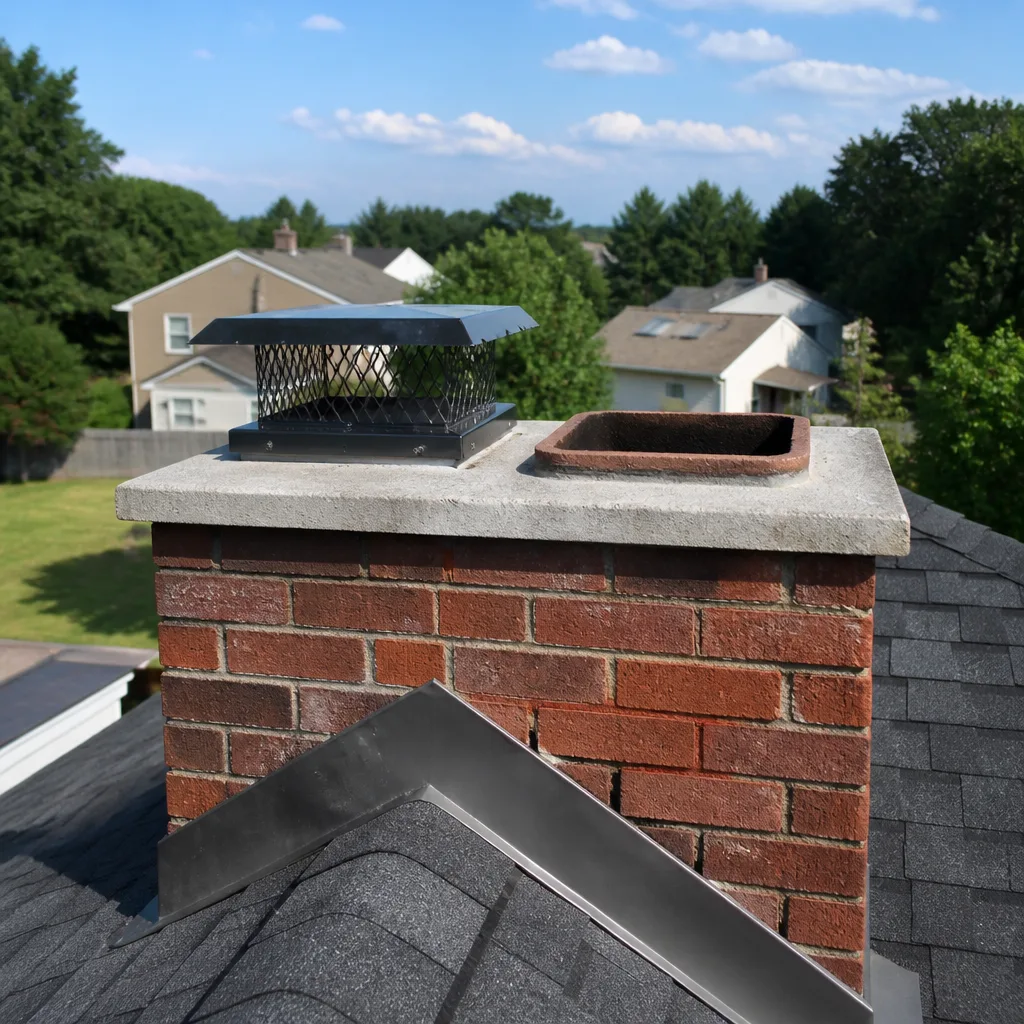
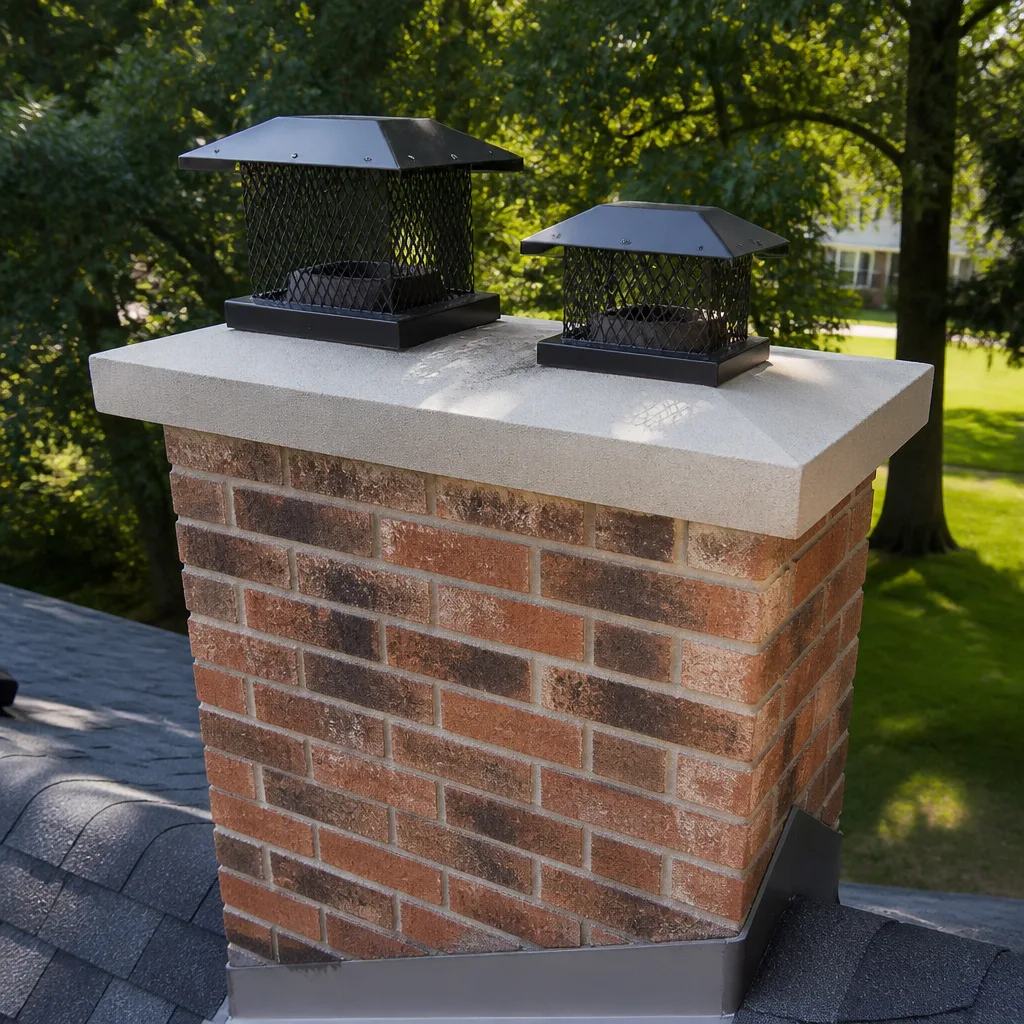 Caps & crowns
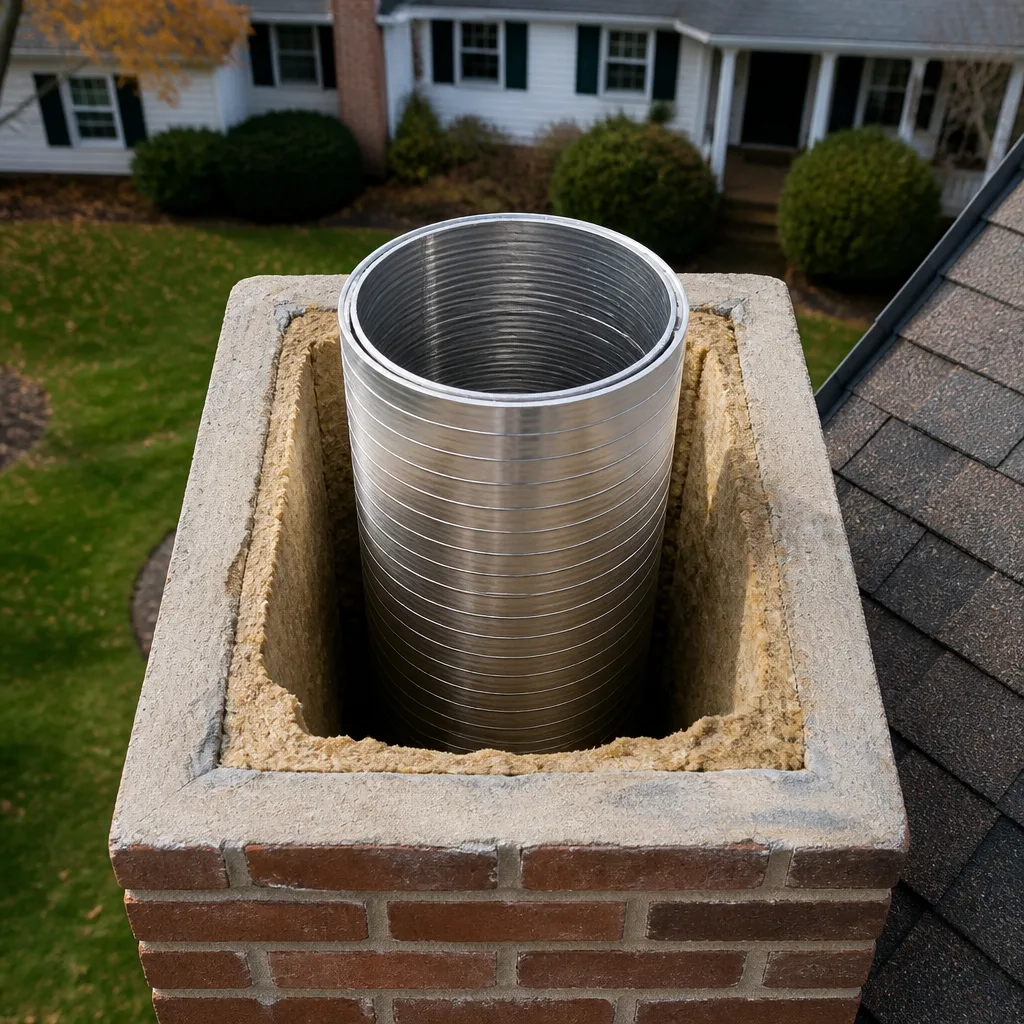 Flue relining
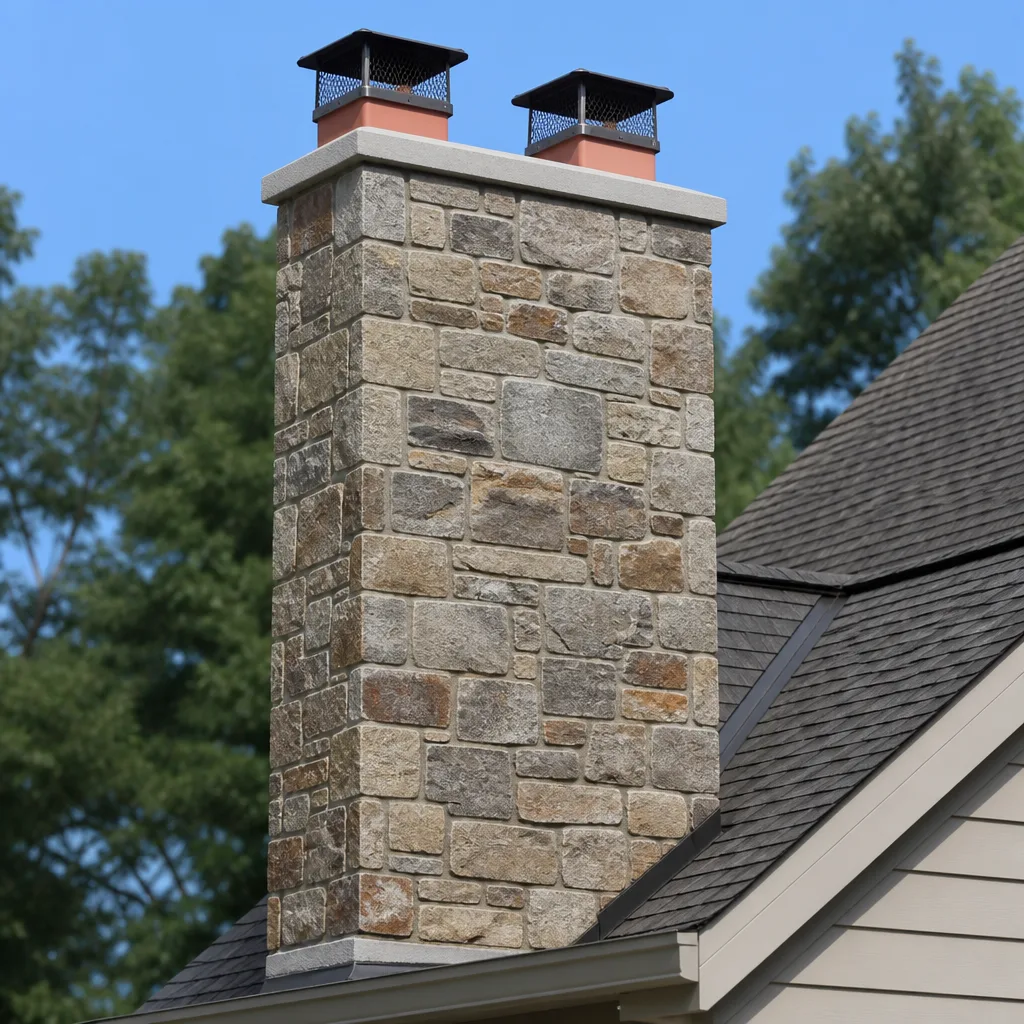 Masonry repair
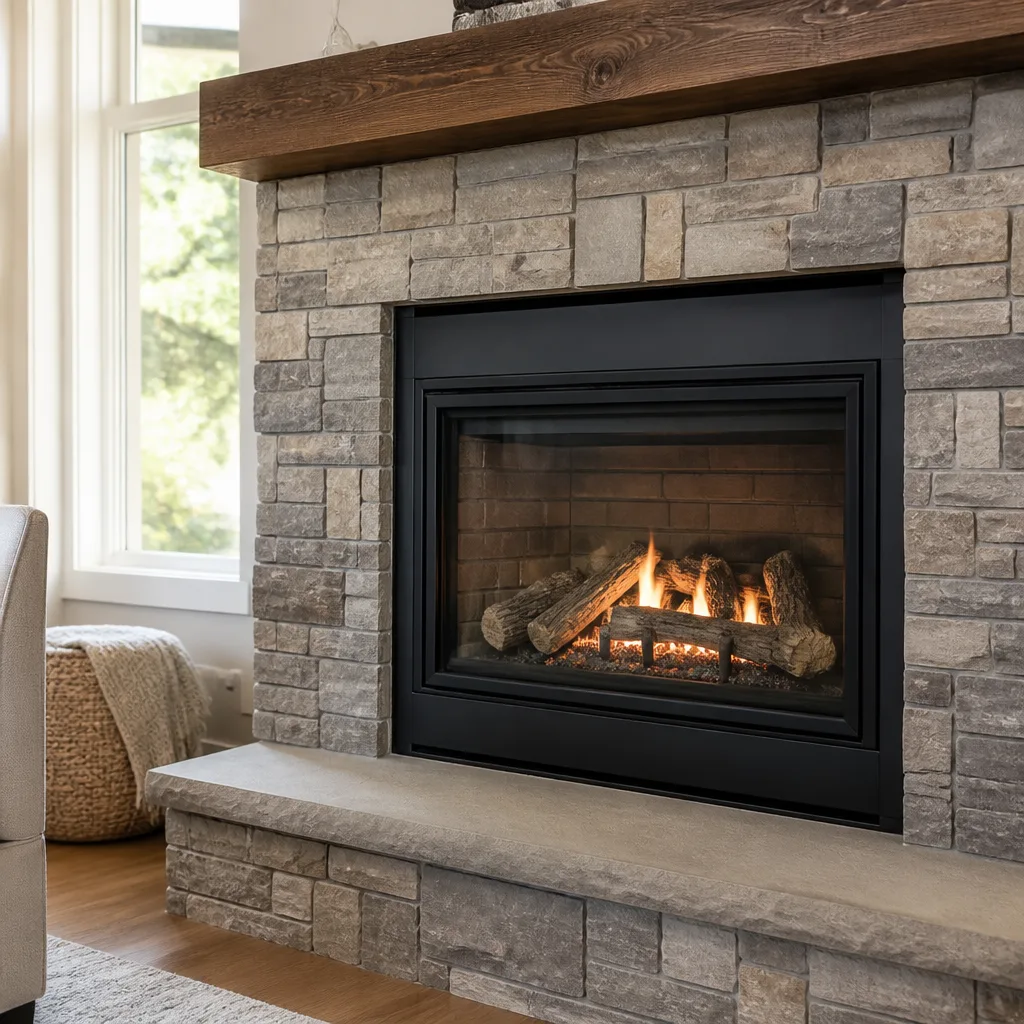 Gas fireplace service
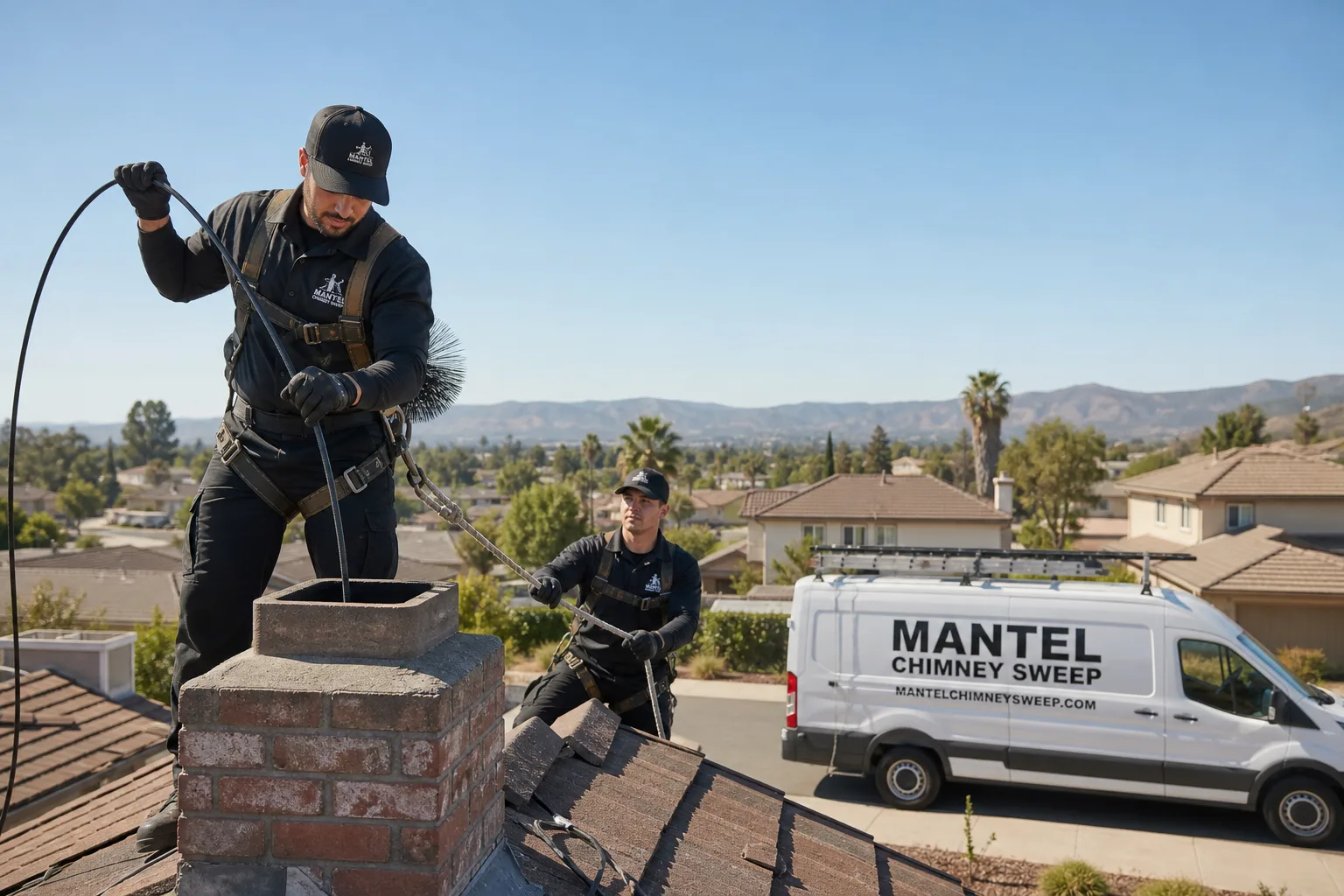
Level 1 sweep and inspection to the NFPA 211 annual standard - flue, crown, cap, and flashing checked and photographed
Chimney sweep logs do not sweep chimneys. They loosen some creosote - which then falls where a brush and vacuum still have to collect it.
Fast, Reliable Chimney Sweep Across San Bernardino
A chimney sweep in San Bernardino typically runs $189 to $340 for a standard cleaning with a Level 1 inspection included. Most homes in the 92404, 92405, and 92410 ZIP codes can be scheduled within three to five business days, and we work around the wind patterns that define this city’s fall season. Mantel Chimney Sweep is built around your fireplace’s long-term safety, not a quick pass with a brush. If you’re in San Bernardino and need a sweep that actually diagnoses what’s happening inside your flue, call Roland Vega’s team at (844) 821-5749 for a free estimate.
We know this city’s housing stock. The mid-century stucco ranches from the 1940s through 1970s, the original brick fireplaces, the drop-in gas inserts retrofitted decades ago. Those details matter when you’re deciding whether a chimney is safe to burn. We repair what others can only report, and that starts with a sweep that tells you something real about your chimney’s condition.
Why Mantel Chimney Sweep Is San Bernardino’s Preferred Chimney Sweep Company
San Bernardino homeowners call us because we show up with repair-grade knowledge, not just a set of brushes. Roland Vega leads every job with the same standard: a clean sweep is the baseline, repair expertise is the difference. When our techs clean a chimney in the 92404 foothills, they’re looking at damper function, cap condition, crown integrity, and liner surfaces, because those are the things that fail in this specific climate. A basic cleaning that misses a corroded cap or a cracked flue tile isn’t a cleaning at all.
Our reputation across San Bernardino comes from telling homeowners the truth. We don’t recommend liner work unless camera footage shows it’s needed, and we hand you that footage. We don’t upsell a replacement when a HeatShield restoration will do the job. The homeowners along Del Rosa, Vermont, and Sterling Avenue who’ve used us know we’ll say plainly when work can safely wait. That candor, combined with materials from HeatShield, Gelco, and DuraFlex, is why people across the city keep our number handy.
Response time to San Bernardino is something we’ve built into our schedule. We’re based in Moreno Valley, and our routing puts San Bernardino jobs on a regular cadence, not a once-a-month special trip. Calls placed during the week about Santa Ana wind smoking complaints get prioritized because we know those are the calls that turn into fire-safety questions fast.
Styles & brands we work with
Gas Fireplace Cleaning in San Bernardino
Gas Fireplace Cleaning in San Bernardino involves more than wiping down glass and vacuuming dust. The wind-driven fine desert dust that blows through the Cajon Pass and across the foothills works its way into burner ports, pilot assemblies, and venting paths. When a gas fireplace sits unused through the hot months, that dust settles in places that affect burner performance and, in some cases, ventilation. A proper gas fireplace cleaning in San Bernardino means removing the logs or glass front, cleaning the burner tube, checking the thermocouple and thermopile, clearing the vent path, and confirming the unit drafts correctly under backpressure from these wind conditions. In this market, you can expect to pay $149 to $249 for a standard gas fireplace cleaning, with inserts running toward the higher end given the additional disassembly.
What Santa Ana Dust Does to Gas Units
Gas fireplaces in San Bernardino fail differently than wood-burning units. The fine particulate that blows in off the desert collects on burner ports and clogs them gradually, producing uneven flame patterns and sometimes a lazy, yellow flame that indicates incomplete combustion. Those are the units that produce soot streaks on the glass and occasionally a stale smell when first fired up in the fall. We also see spider nests and insect debris in vented gas logs because the long dry stretches give them plenty of quiet time to settle in. Silica dust from the Santa Ana events acts like a mild abrasive inside the venting, and that’s worth keeping on your radar if you live near the foothills where the wind is strongest.
Retrofit Inserts Need Attention
Hundreds of San Bernardino’s original brick fireplaces were fitted with gas inserts in the 1980s and 1990s. The fireplace itself might be from 1962, but the gas appliance inside it is newer, and the two don’t always cooperate. The original damper is often partially open or missing, which invites dust and debris down the flue and into the insert’s internal components. During our gas fireplace cleanings, we check whether the flue behind that insert is properly sealed and whether the original firebox has structural issues hidden behind the insert frame. In ZIPs like 92404 and 92407, the shallow-draft brick fireplaces that smoke during wind events are often the same ones with a gas appliance hiding a chimney problem.
Chimney Maintenance in San Bernardino
Chimney Maintenance in San Bernardino is not an optional annual ritual, it’s a response to how this city’s climate punishes exposed masonry and metal. The hot, dry summers expand and contract brick and mortar, especially on south-facing chimneys that absorb 100-degree heat for months at a time. The Santa Ana winds then push wind-blown ash and debris against that already stressed structure, finding every crack, every loose cap, every failing joint. Chimney maintenance that matters here means checking cap and crown condition before wind season, inspecting flashing where the chimney meets roof (because wind-driven rain moves sideways, not straight down), and verifying the damper seals tightly against backdrafts. A standard annual maintenance visit in San Bernardino, including a Level 1 inspection and light cleaning, runs $159 to $229.
When San Bernardino Homeowners Should Schedule
The smart time to schedule chimney maintenance in San Bernardino is September and early October, before the first sustained Santa Ana wind events. That’s the window when a small problem, like a loose rain cap or a hairline crown crack, is still a small problem. Waiting until after the first big wind event means dealing with whatever the wind pushed into the chimney, whether that’s fine ash packed into the smoke chamber or debris wedged against the damper. We book San Bernardino maintenance calls heavily in that September-to-October window for exactly this reason, and we tell homeowners to think of it the same way they think about clearing gutters before the rainy season.
What Basic Maintenance Actually Includes
A maintenance visit is not a sweep, even though we often do both. Maintenance means inspecting the exposed chimney structure, checking cap and crown integrity, testing the damper operation, examining flashing joints, and looking for signs of water intrusion at the roofline. If creosote or soot buildup is present, we’ll recommend a sweep, but maintenance is about catching the structural problems that lead to much bigger bills later. In San Bernardino, where original galvanised caps corrode and spall within a couple of decades, this kind of attention is the difference between a $40 cap replacement and a full crown rebuild.
Trusted Brands We Service in San Bernardino
Mantel Chimney Sweep works with a curated set of professional chimney-industry brands, and that’s a material difference you’ll feel in how parts fit and how long they last. We install DuraFlex flexible stainless steel liner systems for full liner replacements, which is a job many sweep-only companies in San Bernardino cannot offer. We apply HeatShield cerfractory sealant for flue liner restoration, which saves homeowners with minor cracking from a full liner replacement. And we source components from Gelco and Olympia Chimney when caps, dampers, or flashing need replacing. Because we keep stock on hand for common San Bernardino chimney configurations, we’re not waiting on a parts delivery for most cap and damper jobs. The right materials, installed right, that’s the whole point.
See the difference
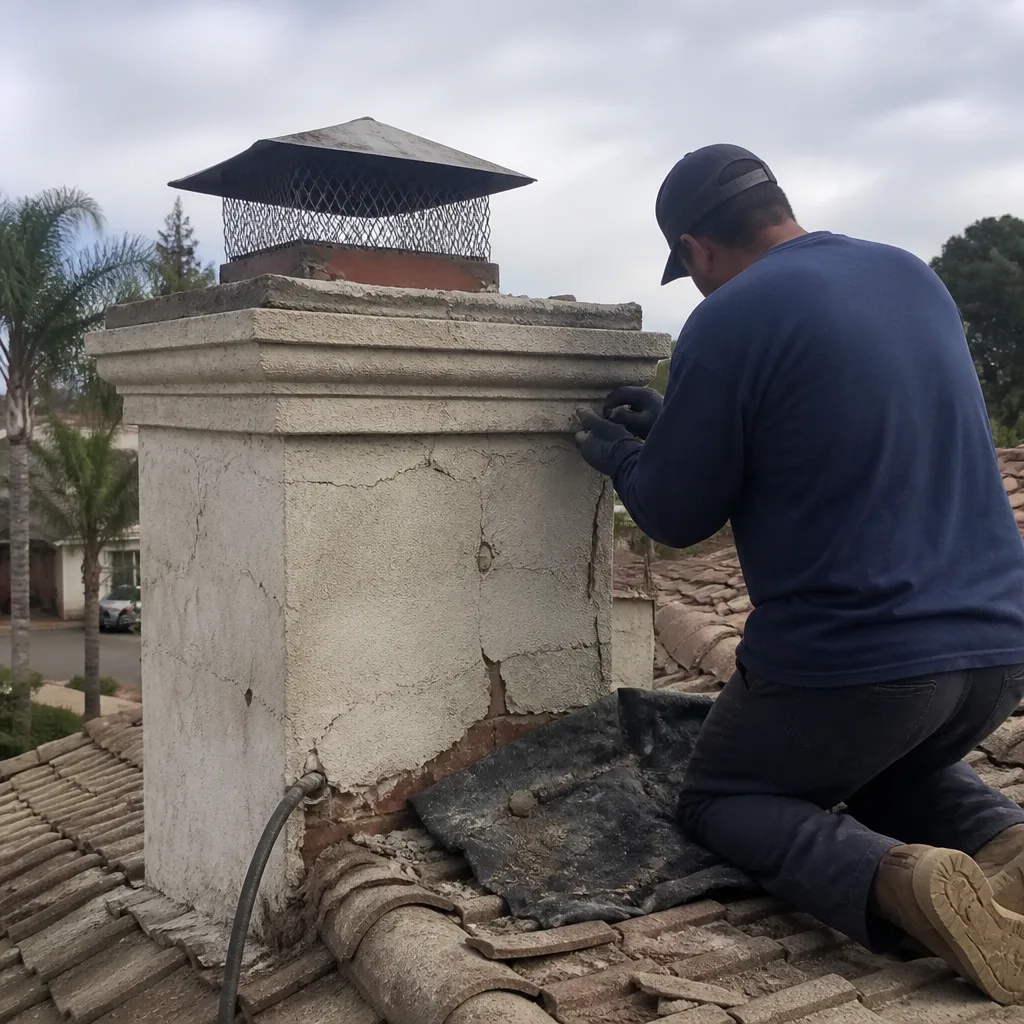 Before
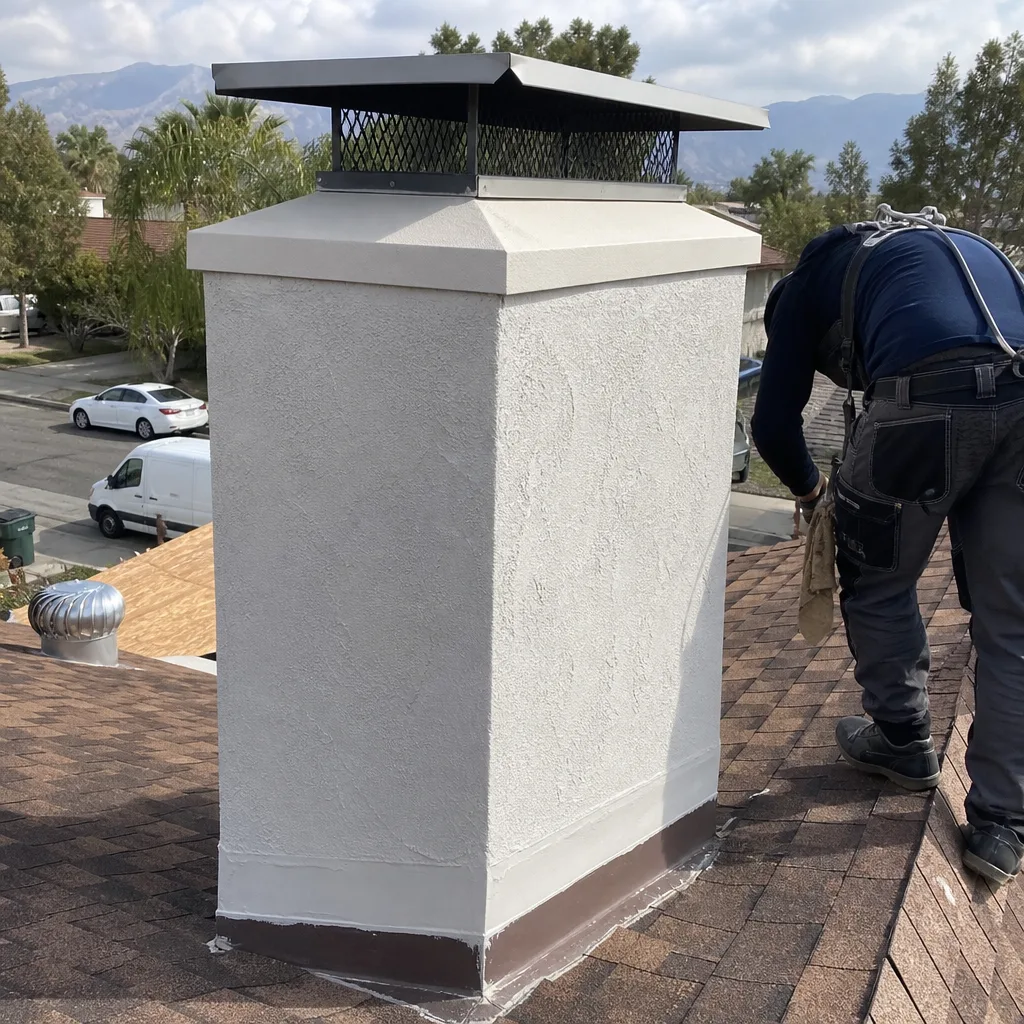 After
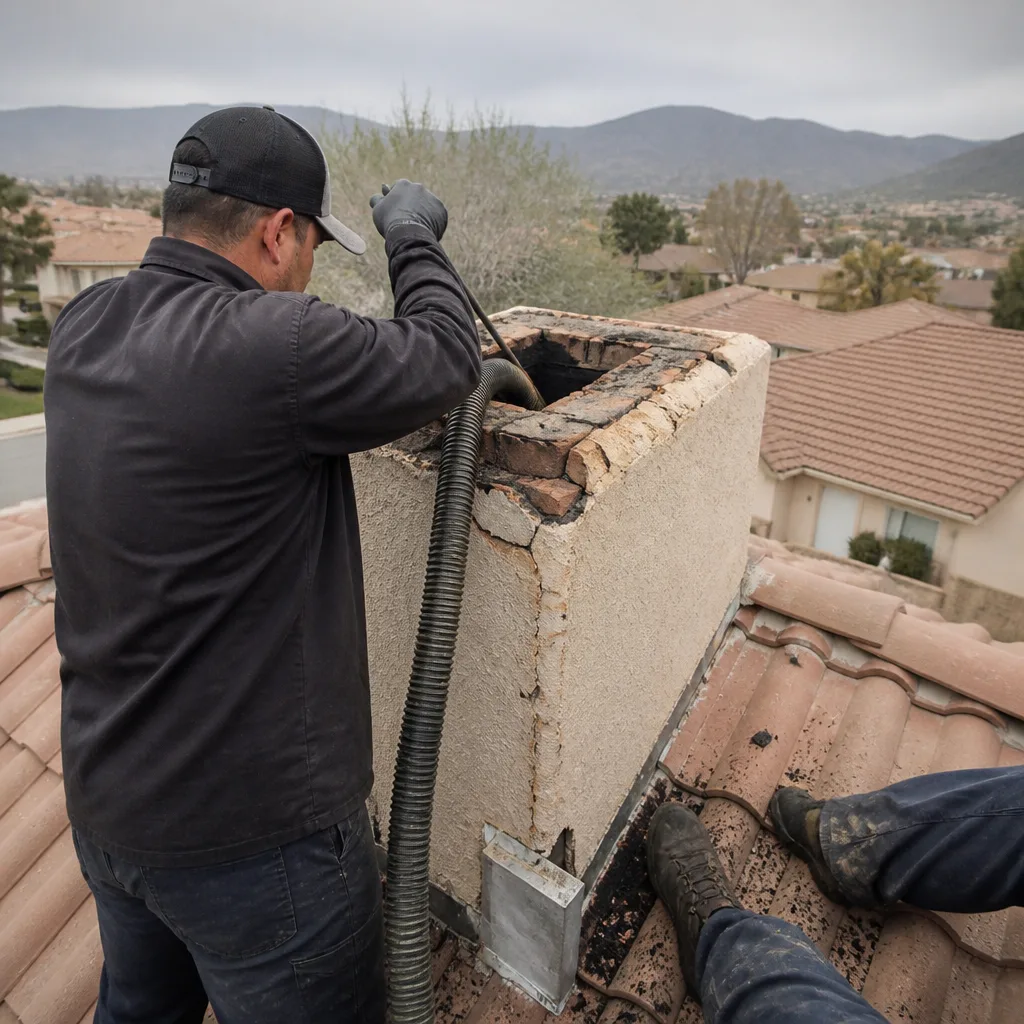 Before
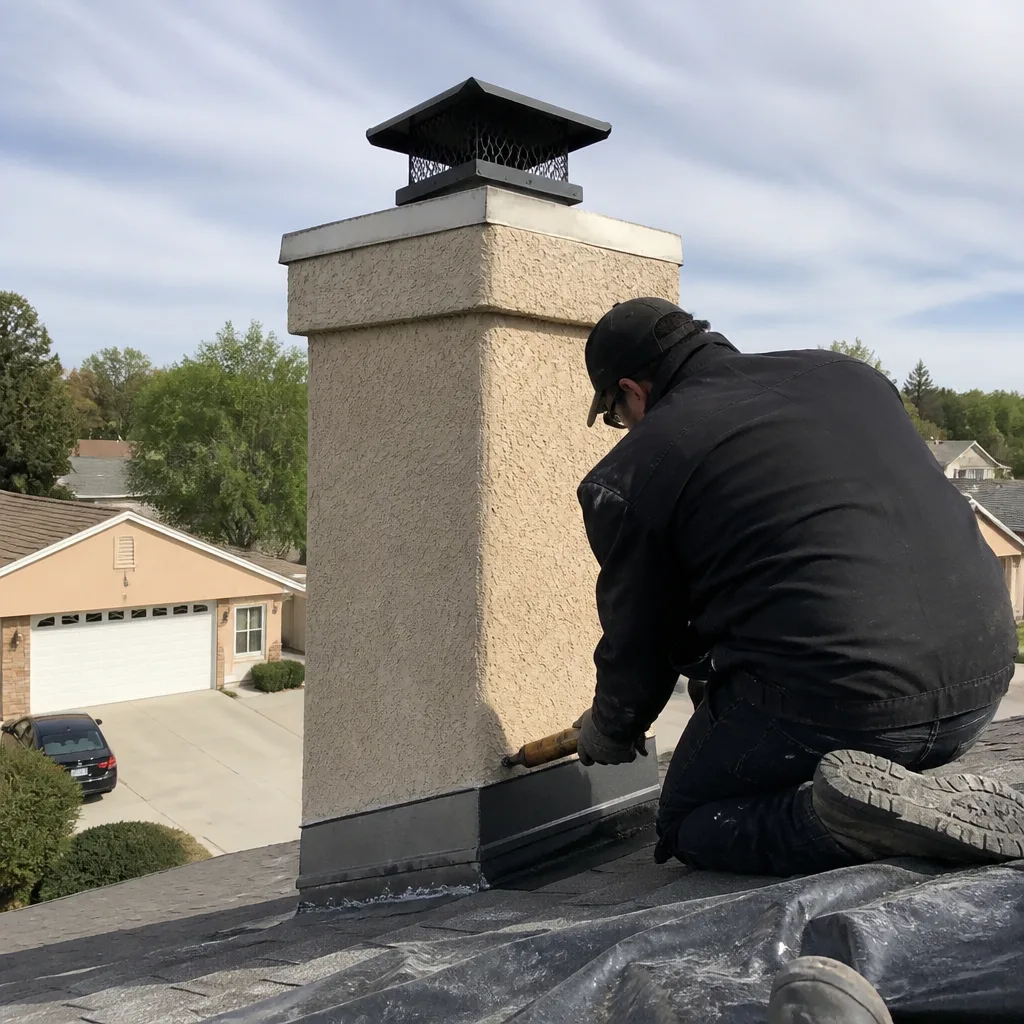 After
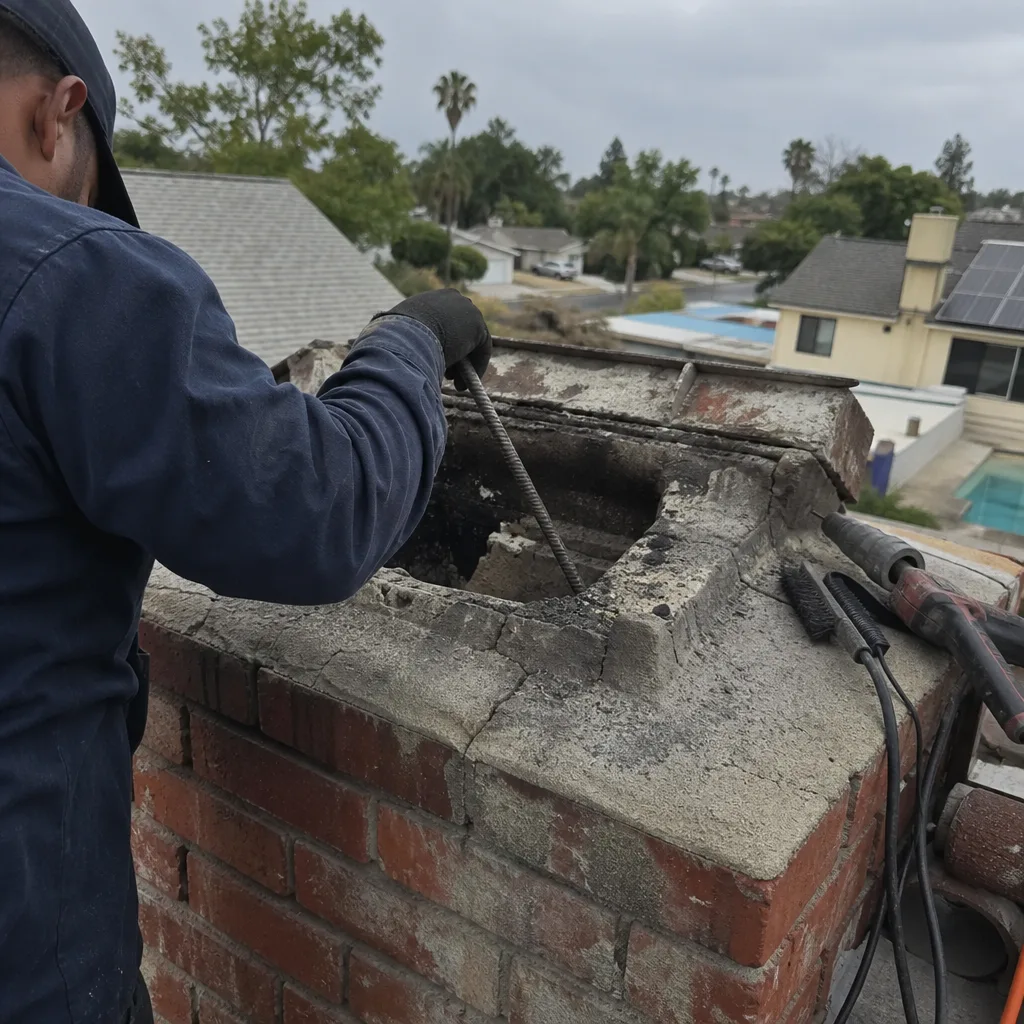 Before
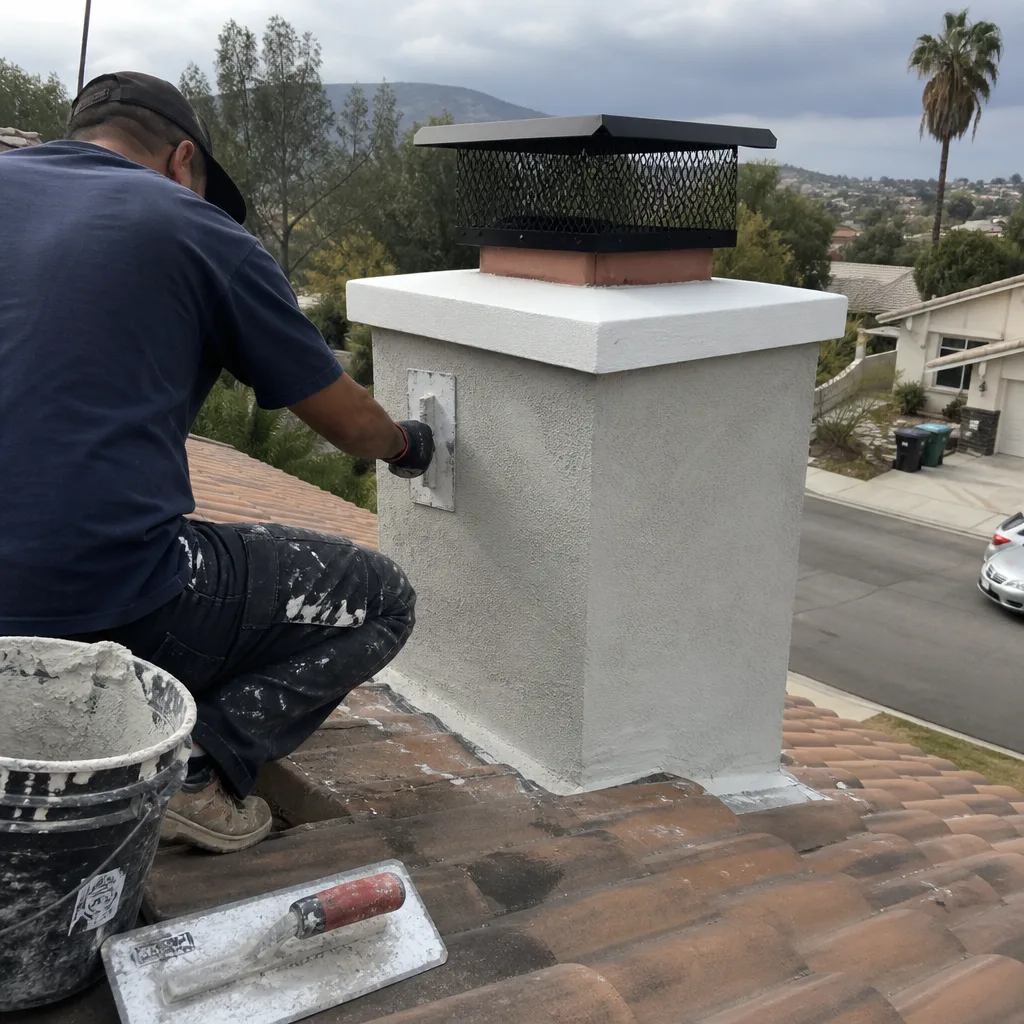 After
Common Chimney Sweep Problems We See in San Bernardino Homes
- Wind-reversed draft from Santa Ana pressure shifts. The same gusts that race through the Cajon Pass push air down chimneys rather than up them, and in shallow-draft fireplaces common to 1950s and 60s ranch homes, that means smoke spills into the living room. A Level 1 sweep plus damper adjustment solves many of these calls, but some homes need a cap design that handles the pressure differential.
- Corroded galvanised caps and flashing. Original metal components from the mid-century building boom are hitting end-of-life, and San Bernardino’s dry heat accelerates the oxidation on galvanised steel. Water gets in, the crown erodes, and the flue liner begins to rust from the inside. We replace these with stainless components that handle the climate far better.
- Packed smoke chambers from wind-blown ash. Ash from wildfires in the San Bernardino Mountains and fine desert dust from Santa Ana events settle into masonry smoke chambers, where they stay until a sweep pulls them out. Homeowners often notice a burning or musty smell before they ever see smoke, and that’s the dust and ash baking against hot flue walls.
- Hidden firebox damage behind retrofitted gas inserts. A gas insert installed into a 1960s brick fireplace conceals the original firebox, and we’ve seen cracked panels and broken mortar joints go unnoticed for years. A Level 2 inspection with video is the only way to see what’s behind the insert without pulling it out.
Pricing for Chimney Sweep in San Bernardino, CA
Here’s what we tell San Bernardino homeowners to expect. A standard chimney sweep with Level 1 inspection runs $189 to $279 for a single fireplace. Adding a Level 2 inspection with video runs $249 to $399, and we recommend it for any home with a retrofitted gas insert or a history of smoking complaints. Gas fireplace cleaning runs $149 to $249. Maintenance visits with cap, crown, and flashing inspection run $159 to $229. Factors that move the price in San Bernardino include two-story roofs, steep pitches on foothill homes in 92404 and 92407, and how long it’s been since the last sweep. No hidden add-ons. We quote the flat price before we book, and you’ll see the camera footage before we recommend any repair work. Call (844) 821-5749 for an exact quote, estimates are free.
We Also Serve Cities Near San Bernardino
Our service area extends beyond San Bernardino into the surrounding foothill and valley communities. We run regular routes through Muscoy, Highland, Loma Linda, and Rialto, bringing the same repair-grade approach to every job. If you’re in one of those cities, check our Chimney Sweep in San Bernardino page or our main Chimney Sweep service hub for details on what we cover.
Serving San Bernardino, CA — Our Local Coverage Area
We’re based in the San Bernardino area and know this community well. Use the map below to see our service coverage — if you’re nearby, we can almost certainly help.
FAQs About Chimney Sweep in San Bernardino
The Santa Ana winds reverse pressure on shallow-draft brick fireplaces, which are common in the foothill ranch homes built throughout San Bernardino in the 1950s and 60s. When wind pushes down the chimney instead of air drawing up it, smoke has nowhere to go but into the room. This is also a sign that your damper may not seal well, or that the flue lacks the draft it was designed for. We see this pattern most in ZIPs 92404 and 92407, where the first strong gust of the season brings a cluster of smoke complaint calls. The fix often starts with a sweep and a cap change, not a full rebuild. Call (844) 821-5749 and we’ll diagnose exactly what’s happening in your chimney.
Once a year, and the timing matters here. In San Bernardino, we recommend scheduling your inspection in September or early October, before Santa Ana season kicks in. The hot, dry summers stress masonry joints, and wind events do their worst damage in the fall and winter. An annual inspection catches cap corrosion, crown cracks, and liner damage before they become expensive structural problems. Homes with gas inserts that are used frequently should still be inspected annually, because the original fireplace behind the insert can develop issues unrelated to how often you burn. For San Bernardino homeowners, the annual inspection is about getting ahead of the wind season, not just the cold months.
Yes, and it matters more here than in most places. San Bernardino’s dry heat oxidizes galvanised steel faster than coastal marine air, which might surprise some people. A loose or spalled cap lets wind-blown ash, debris, and rain into the flue, and it’s often the first component to fail on a mid-century home. A missing or severely corroded cap can allow water to pool on the smoke shelf, accelerating liner damage and creating musty smells in the house. We replace failing galvanised caps with stainless options, usually in a single visit. If your cap is visibly compromised, call (844) 821-5749 before the next wind event gives you a bigger problem.
Third-degree creosote is the hardened, glaze-like deposit that forms when chimney temperatures are high and drafts are inconsistent, both of which happen in San Bernardino’s climate. It’s highly concentrated fuel, and it’s the most difficult creosote stage to remove with standard sweeping methods. Older stoves and inserts that run hot, combined with the wind-driven draft fluctuations we see in foothill homes, create the conditions for it. Once third-degree creosote forms, a standard brush is often insufficient, and you’re looking at chemical treatments or rotary cleaning methods. Left alone, it’s the primary fuel source in most chimney fires. We identify it during a regular sweep and tell you honestly what it will take to remove it.
Yes. Gas inserts accumulate dust, spider webs, insect debris, and mineral buildup even when they’re not used regularly, and San Bernardino’s wind-blown desert dust accelerates this. The burner ports clog, the pilot light becomes unreliable, and the venting path can become restricted. A gas insert that sits unused through the hot months will need cleaning before the burning season, if only to ensure the air path is clear and the thermocouple is functioning. We also check what’s behind the insert in the original fireplace, because that cavity can collect debris and hide problems. A clean gas insert is a safer gas insert, and the cleaning is quicker than you’d expect.
Written by Roland Vega, Owner at Mantel Chimney Sweep, serving San Bernardino and the surrounding foothill communities.