Last updated October 30, 2026
 Sweep & inspection
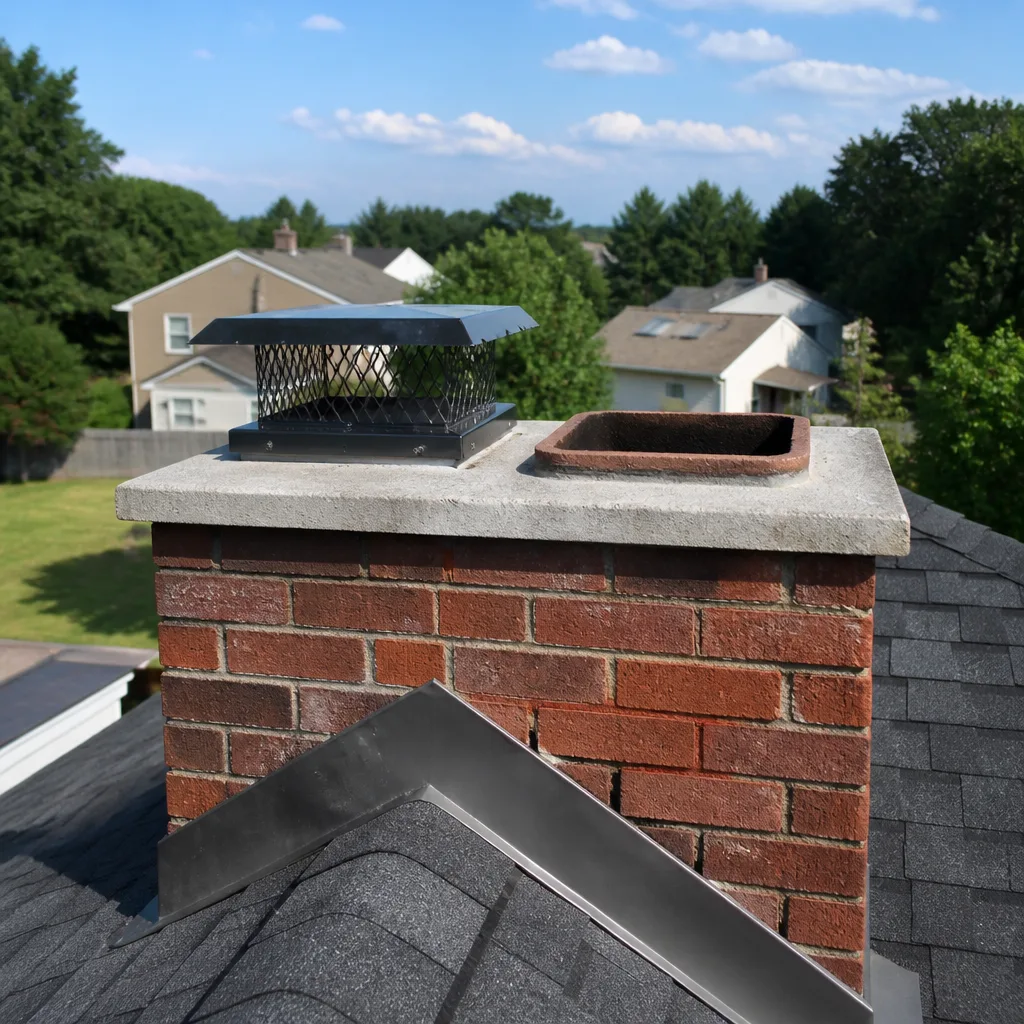
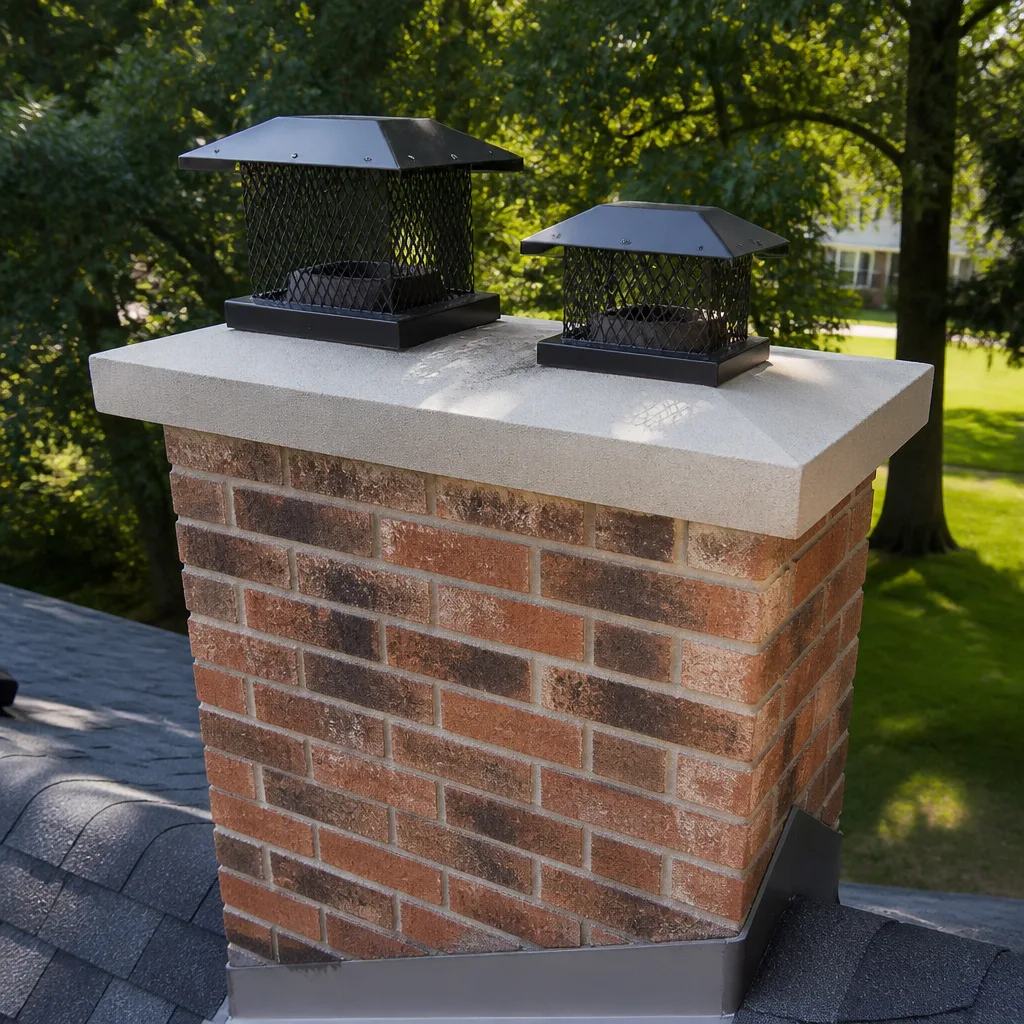 Caps & crowns
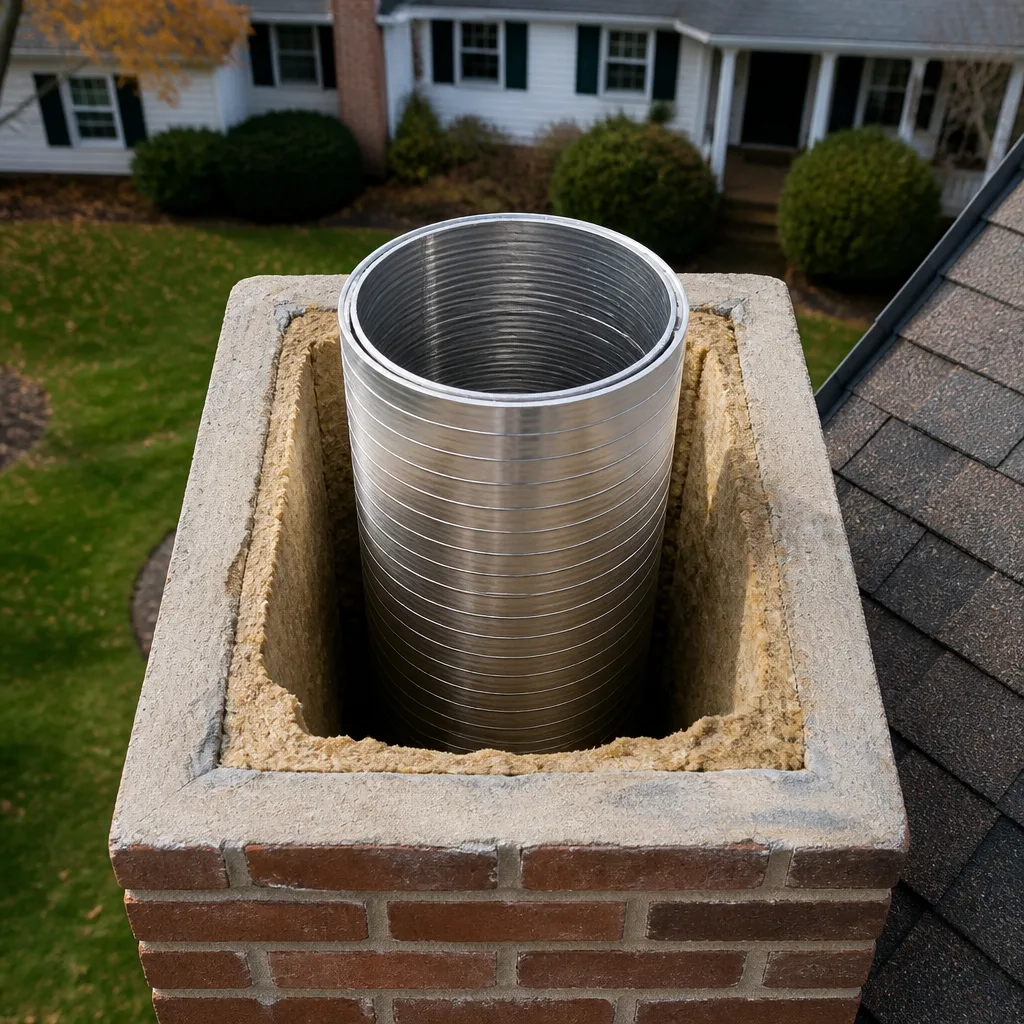 Flue relining
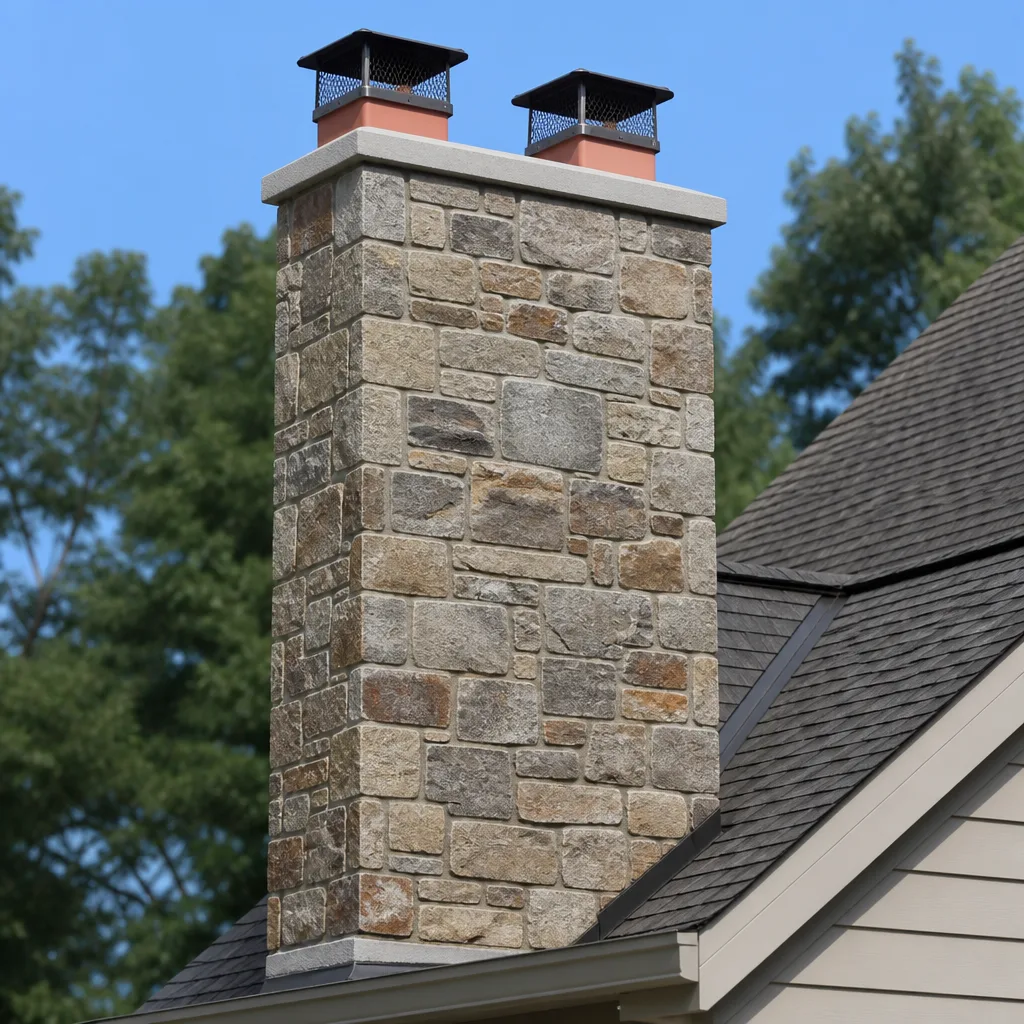 Masonry repair
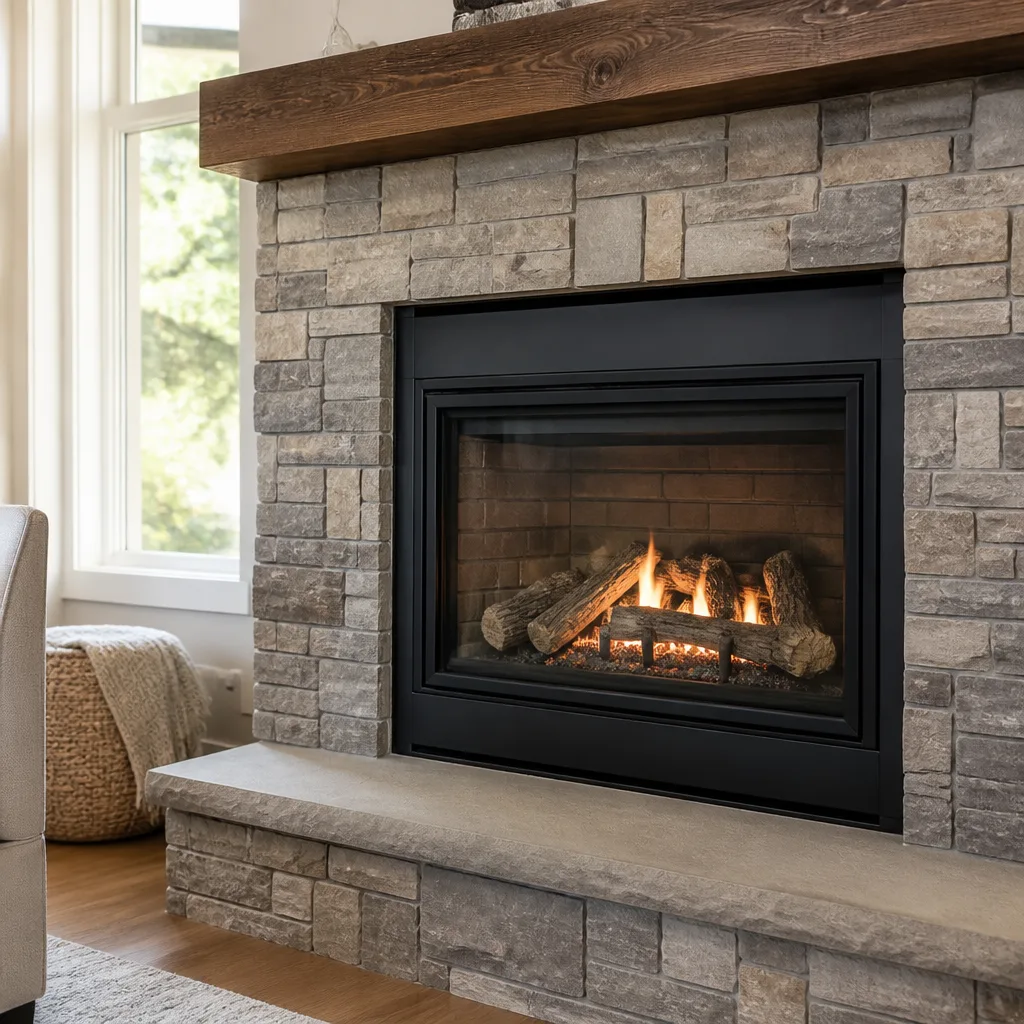 Gas fireplace service
Level 1 sweep and inspection to the NFPA 211 annual standard - flue, crown, cap, and flashing checked and photographed
Chimney sweep logs do not sweep chimneys. They loosen some creosote - which then falls where a brush and vacuum still have to collect it.
How to Hire a Chimney Cleaning Contractor in Moreno Valley: A Step-by-Step Guide
Here’s the uncomfortable truth most Moreno Valley homeowners learn too late: a chimney cleaning is rarely just a chimney cleaning. It’s the moment someone qualified either catches the hairline crack in your flue liner before it becomes a house fire, or masks it with a quick brush and a bill. The average sweep removes soot. A full-service chimney contractor compares what they’re seeing against what the fireplace needs to stay safe for another decade. This guide walks through the exact vetting process that separates the two, with specifics on licensing, materials, estimates, and the questions that matter most in this market, and points you to more guides & resources for ongoing fireplace maintenance.
Quick Answer
To hire a chimney cleaning contractor in Moreno Valley, verify active California contractor licensing, confirm the company carries professional-grade repair materials like HeatShield or UL-listed liner systems rather than only a brush set, ask whether a camera inspection is included in the sweep price, and insist on a written estimate that separates cleaning from any repair recommendations. Avoid any bid that quotes an unusually low sweep price without an on-site inspection first.
Styles & brands we work with
Table of Contents
- Understand the Difference Between a Sweep and a Chimney Specialist
- Verify California Licensing for Chimney Work Specifically
- Ask About Camera Inspection Before You Book
- Ask the Liner Repair Question That Exposes Sweep-Only Operators
- What a Legitimate Written Estimate Should Include
- Red Flags That Predict an Aggressive On-Site Upsell
- What Moreno Valley’s Climate Does to Chimneys and Pricing
- The 10-Step Hiring Checklist
Understand the Difference Between a Sweep and a Chimney Specialist
A CSIA certification card is a starting point, not a finish line. It tells you someone passed a test on cleaning fundamentals and safety. It does not tell you whether that same person stocks UL-listed liner materials, has the training to spot early-stage spalling in a masonry chimney, or can apply a cerfractory sealant like HeatShield when a flue shows cracking. In Moreno Valley, where summer temperatures regularly push past 100 degrees and the thermal expansion of clay liner tiles is a real, documented cause of flue failure, that distinction matters more than in milder climates.
The Mantel Chimney Sweep home service model is built around this exact gap. A sweep-only operator can clean the accessible portion of your flue and tell you there’s a problem higher up. That’s where their capability ends. A full-service chimney contractor can put a camera up the flue, show you exactly what’s happening, and then repair the damage before the next fire is lit. That’s the difference between paying for a diagnosis and paying for a solution.
Here’s what separates a specialist from a brush-and-go crew:
- Material inventory: A specialist stocks or has direct supplier access to liner systems from DuraFlex, HeatShield, Gelco, Olympia Chimney, and similar professional supply chains. A sweep-only operator carries brushes, rods, and a shop vac.
- Repair capability: A specialist can perform a liner restoration or full replacement on the same property. A sweep-only operator recommends someone else, and that handoff is where many homeowners stall and never complete the repair.
- Inspection depth: A specialist uses a camera as standard practice, not as a paid add-on or a sales gimmick. The Chimney Sweep in Moreno Valley service includes this as part of the actual cleaning, because you cannot honestly clean what you cannot see.
- Training scope: A specialist can explain the difference between a Level 1 and Level 2 inspection without reading from a script. They understand how the chimney functions as a system, not just as a vertical passage that needs brushing.
Verify California Licensing for Chimney Work Specifically
California requires a contractor license for any chimney repair work valued at $500 or more in labor and materials. This is the legal threshold, and it’s where many Moreno Valley homeowners get tripped up. A handyman with a DBA and a pressure washer can legally perform a basic chimney sweep in many cases. But the moment that sweep identifies a cracked flue, a deteriorating crown, or a failing damper, the repair work requires a licensed contractor with the appropriate classification.
Here is how to verify a license before you book:
- Go to the California Contractors State License Board (CSLB) website. It’s the official state database. Do not rely on a paper copy of a license shown at your door.
- Enter the contractor name or license number. The listing should show an active, current status with no active suspensions, revocations, or complaints under investigation.
- Check the classification. For chimney work, the most common legitimate classifications are C-53 (Pool and Spa, which covers some masonry work), C-29 (Masonry), or B (General Building). A C-53 or C-29 is appropriate for a specialist. A company that only holds a C-61/D-40 (service and repair) may be limited in what they can legally do once the repair scope grows.
- Verify the bond and workers’ compensation insurance. The CSLB listing will show if the contractor carries a bond (required) and workers’ comp (required if they have employees). If a company has employees but no workers’ comp listed, a worker injury on your property becomes your liability problem.
- Confirm the business address. A legitimate Moreno Valley contractor will have a verifiable local address or a long-standing service area presence. A P.O. box with no physical location is a yellow flag.
We’ve seen Moreno Valley homeowners take a $99 sweep flyer, skip the license check, and end up with an unlicensed operator who cracks a chimney crown during the cleaning and then disappears. The $99 “saving” becomes a $1,800 crown repair with no one to hold accountable. That is a real pattern in this market, and it’s avoidable with ten minutes of verification.
Ask About Camera Inspection Before You Book
The single biggest predictor of whether you’re working with a legitimate chimney contractor is this question: “Does your sweep price include a camera inspection of the flue, and will I see the footage?” If the answer is no, or if the camera inspection is presented as a premium add-on, you are likely dealing with a sweep-only operator who cannot meaningfully assess the condition of your chimney beyond what a brush knocks loose.
A camera inspection is not a luxury. It is the only way to see:
- Hairline cracks in clay flue tiles that are invisible from the top or bottom of the chimney but expand under heat and become pathways for fire to reach combustible framing.
- Gaps in mortar joints between flue tiles that allow carbon monoxide to seep into wall cavities instead of venting outside.
- Glazed creosote buildup that a brush may score but cannot remove effectively, and which burns at lower temperatures than typical creosote.
- Animal nests or blockages sitting above the damper, invisible from the firebox.
- Previous patchwork repairs performed with hardware store mortar or expansion foam, which is a common find in Moreno Valley homes purchased from flippers.
When a company includes camera inspection in the standard sweep, it’s a signal they operate on inspection and repair, not just cleaning. That’s the operational difference between a Chimney Repair in Moreno Valley specialist and a brush-and-go crew. It’s also the difference between a $199 sweep that tells you nothing and a $249 sweep that produces actual intelligence about the safety of your home.
Ask the Liner Repair Question That Exposes Sweep-Only Operators
Here is the question that separates a full-service chimney contractor from a sweep-only operator in five seconds: “If your camera inspection finds a cracked flue liner, what can you do about it?”
Listen carefully to the answer. A legitimate specialist will describe specific repair options. They may mention HeatShield, a cerfractory sealant applied by professionals to restore a deteriorating flue liner. They may describe a DuraFlex flexible stainless steel liner installation as a full replacement option. They will explain the difference between a partial repair and a full reline, and they’ll connect both to the specific condition of your chimney.
A sweep-only operator will say one of these things: “We’d recommend a company we work with” or “You’d need a mason for that” or “Let’s cross that bridge if we get there.” All three answers mean the same thing: the person in your house is not equipped to fix what they may find. That’s not dishonest. But it does mean you’re paying for a diagnosis from someone who cannot complete the treatment, and then paying again for a second diagnosis from someone who can.
The material difference is not academic. HeatShield is a specialized cerfractory sealant available only through professional chimney supply channels. It is not sold at Home Depot. Gelco and Olympia Chimney supply similar professional-grade products to the trade. A company that carries these materials has invested in repair capability. A company that shows up with nothing but brushes and rods has invested in cleaning capability only. Both have a place. But in Moreno Valley, where the thermal cycling of clay liners is aggressive, you want the company that can handle what the camera finds.
We repair what others can only report. That sentence is not a slogan. It describes the operational reality of carrying HeatShield, stocking DuraFlex measurements, and having the training to apply both correctly. A clean sweep is the baseline. Repair expertise is the difference.
What a Legitimate Written Estimate Should Include
A legitimate pre-job estimate for chimney work in Moreno Valley should include specific, written items. Anything vague is a red flag. Anything verbal is worthless if a dispute arises.
Here’s what a real estimate includes:
- Scope of the sweep: Whether it covers the flue, the smoke chamber, the damper, the firebox, and the chimney cap. “Full sweep” is not a defined term. The estimate should list the components.
- Camera inspection as a line item: Either included at no charge or priced separately. If priced separately, that’s not automatically bad, but it should be disclosed before the day of service, not discovered on arrival.
- Estimated creosote condition: If the price is flat, it should say so. If the price varies based on creosote stage or buildup depth, the estimate should explain the tiers.
- Repair recommendations as a separate section: Any repairs identified during inspection should be itemized with materials specified by brand or standard (for example, “HeatShield cerfractory sealant” or “UL-listed stainless steel liner”). “Mortar patch” with no material specification is a reason to ask more questions.
- Total price with tax and any access fees: No surprises. A legitimate estimate in Moreno Valley accounts for roof pitch, chimney height, and access difficulty up front.
- License number and insurance information: Printed on the estimate, not provided verbally on request. A company that will not put its license number on paper is telling you something.
- Start date and estimated duration: A sweep typically takes 60 to 90 minutes. A sweep plus minor repair can take two to three hours. Anything beyond that should be explained.
What should raise suspicion: an estimate that is only a dollar amount and a smile. An estimate that says “chimney work” with no breakdown. An estimate that cannot specify the type of liner material to be used if liner work is recommended. An estimate that arrives before the technician has seen the chimney. In Moreno Valley, a $149 sweep quoted over the phone without photos or an inspection is a bid to get in the door, not an estimate of the work your chimney actually needs.
Red Flags That Predict an Aggressive On-Site Upsell
The most common complaint from Moreno Valley homeowners about chimney cleaning is not a bad sweep. It’s a bait-priced sweep that becomes a $4,000 “emergency” repair recommendation delivered 45 minutes after arrival. This pattern is so common it has a name in the industry: the chimney scare script. Here’s how to spot it before it happens.
Red flag 1: The $99 or $149 special that includes a “free inspection.” No legitimate chimney contractor can send a trained technician, liability insurance, a truck, and equipment to your Moreno Valley home for $99 and make a living. That price only makes sense as a loss leader for a high-pressure repair pitch. The “free inspection” is not free. It is the sales call.
Red flag 2: The technician cannot show you the camera footage. If someone says “your liner is cracked” but cannot show you the crack on a screen, you are being told, not shown. A legitimate specialist will show you the footage in real time, point to the specific tile, and explain the severity. Nothing is recommended without evidence you can see for yourself.
Red flag 3: The recommendation requires a decision today. Chimney repairs are rarely true emergencies. A cracked liner does not become more dangerous in the next 24 hours just because a technician is standing in your living room. Pressure to sign a contract immediately is a sales tactic, not a safety timeline. Any company that will not let you get a second opinion is a company that is worried about what that second opinion will find.
Red flag 4: The estimate is for “full liner replacement” on a chimney that has never shown symptoms. Full liner replacements are sometimes necessary. They’re also sometimes recommended because the company carrying the cheap sweep doesn’t know how to perform a HeatShield restoration, so a replacement is all they can sell. Ask: “Is a restoration an option, and why or why not?” A legitimate contractor can explain the criteria.
Red flag 5: No written estimate before work begins. In California, any home improvement contract over $500 is legally required to be in writing and signed before work begins. If a company starts work on a verbal agreement and then discovers “damage,” you have lost your protection under state contracting law.
What Moreno Valley’s Climate Does to Chimneys and Pricing
Moreno Valley sits in a thermal stress zone for chimneys. The city’s summer highs routinely exceed 100 degrees, and nighttime lows in winter can dip into the 30s. That’s a 70-degree temperature swing, and it happens over a 24-hour cycle, not a seasonal one. Clay flue tiles expand when heated and contract when cooled. Over years of these cycles, the mortar joints between tiles degrade. Hairline cracks appear. The thermal cycling is a primary reason Moreno Valley chimneys show liner wear sooner than chimneys in coastal cities with more stable temperatures.
This means two things for hiring. First, do not treat a chimney cleaning as an afterthought. A sweep that includes camera inspection is doing maintenance and diagnostic work at the same time. Second, when you compare quotes, compare the inspection depth, not just the dollar amount. A $199 sweep with no camera inspection from a brush-only operator is not a better deal than a $229 sweep with full camera documentation from a specialist. You are buying different services.
Moreno Valley’s housing stock also matters here. The city has a large inventory of homes built in the 1980s and 1990s, during a major Inland Empire building boom. Many of these homes have original chimneys that have never been relined and have seen 30 to 40 years of thermal cycling. If you own one of these homes and cannot remember the last time the flue was inspected by camera, the probability of liner wear is not low. That’s not marketing language. That’s materials science applied to a specific climate and housing age profile.
For full transparency on how these factors affect pricing and service scope, a Chimney Sweep in Moreno Valley from a full-service company typically ranges from $189 to $289 depending on chimney height, access difficulty, and creosote stage. Repairs and liner work are quoted separately after inspection, with material costs itemized by brand and type. The right materials, installed right, cost more than patchwork. They also last longer.
The 10-Step Hiring Checklist
Here is the complete process, condensed into a checklist you can follow when hiring a chimney cleaning contractor in Moreno Valley:
- Verify the California contractor license through CSLB. Check the classification, bond status, and any complaint history.
- Confirm workers’ compensation insurance. If the company has employees, this is non-negotiable.
- Ask if camera inspection is included in the sweep price. If it’s an add-on, ask how much and whether you’ll see the footage.
- Ask the liner repair question: “If you find a cracked flue, what can you do about it?” Listen for specific materials like HeatShield or DuraFlex.
- Request a written estimate before the day of service. It should itemize the sweep scope, inspection, and any anticipated fees.
- Ask what brands of repair materials the company carries. If the answer is “whatever the hardware store has,” that’s your answer.
- Schedule the sweep during daylight hours. Roof access is safer, camera footage is clearer, and you should be present for the inspection portion.
- Attend the inspection. Watch the camera feed. Ask to see any damage they claim to find. A legitimate contractor will show you.
- Take 24 hours to consider any repair recommendation. No legitimate chimney repair is an emergency that requires a same-day decision.
- Get the post-sweep report in writing. A clean sweep is the baseline. The report should tell you what was found, what was cleaned, and what needs monitoring for next season.
Common Mistakes to Avoid
- Hiring on price alone. In Moreno Valley, the cheapest sweep is often the most expensive hour you’ll spend. Low-bid operators recoup the loss on aggressive upsells or skip the inspection entirely. Compare inspection depth, material capability, and written scope before comparing dollars.
- Not verifying the license before the technician arrives. Once someone is on your roof or in your firebox, you’ve already lost the advantage. Verify before you book, not after.
- Accepting a verbal repair quote. California law requires written contracts for repair work. A verbal quote is not enforceable and usually grows once work begins.
- Skipping the camera inspection to save $40. The camera is the only way to see what’s actually inside your flue. Skipping it means paying for a blind cleaning.
- Letting a technician pressure you into a same-day repair decision. Liner repairs are not emergencies just because someone is at your door. Take the report, get a second opinion if needed, and decide on your timeline.
- Ignoring the dryer vent. The fireplace is not the only fire hazard in a Moreno Valley home. A clogged dryer vent is a leading cause of residential fires, and Dryer Vent Cleaning in Moreno Valley is a service you can book alongside the chimney sweep, often during the same visit.
- Hiring a general handyman for chimney repair. Masonry and liner work require specific training and materials. A handyman who “can probably patch that” is not carrying HeatShield or UL-listed liner systems, and the patch will fail within a season or two.
See the difference
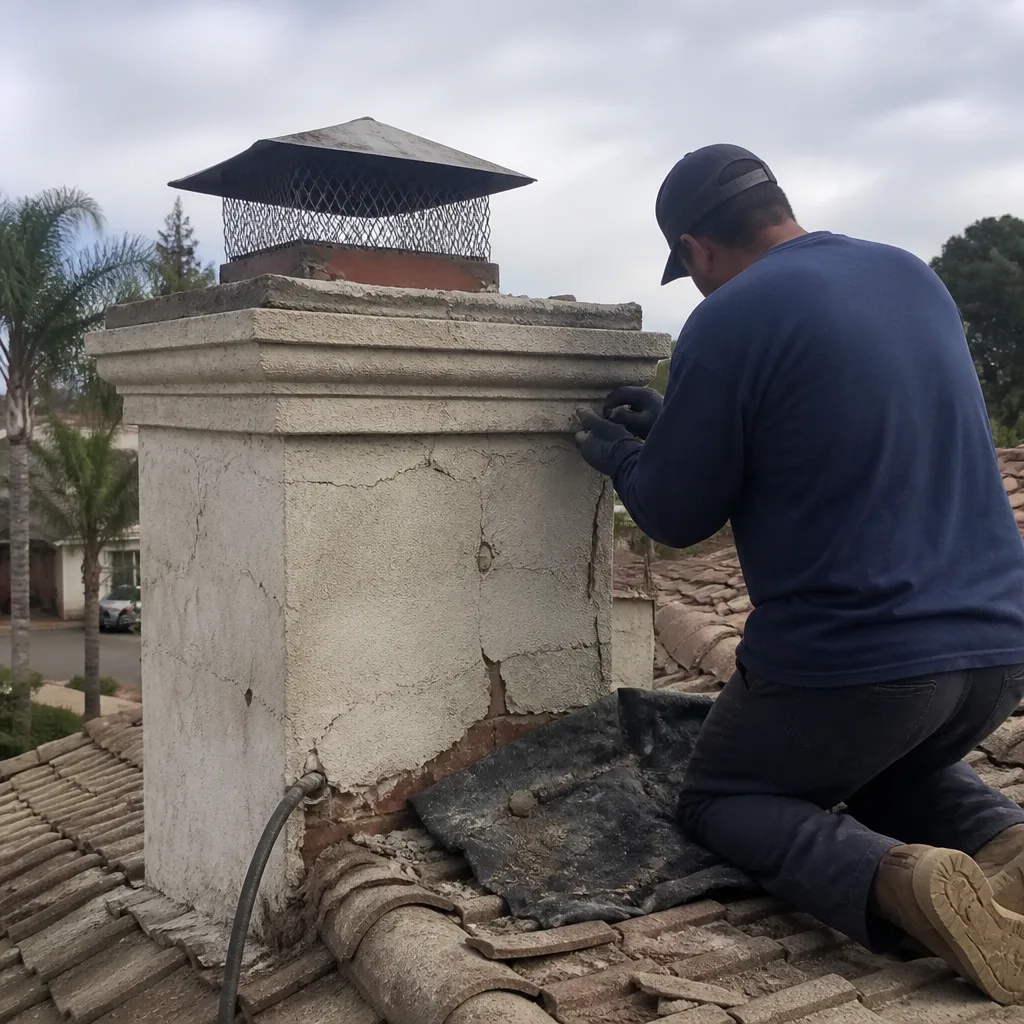 Before
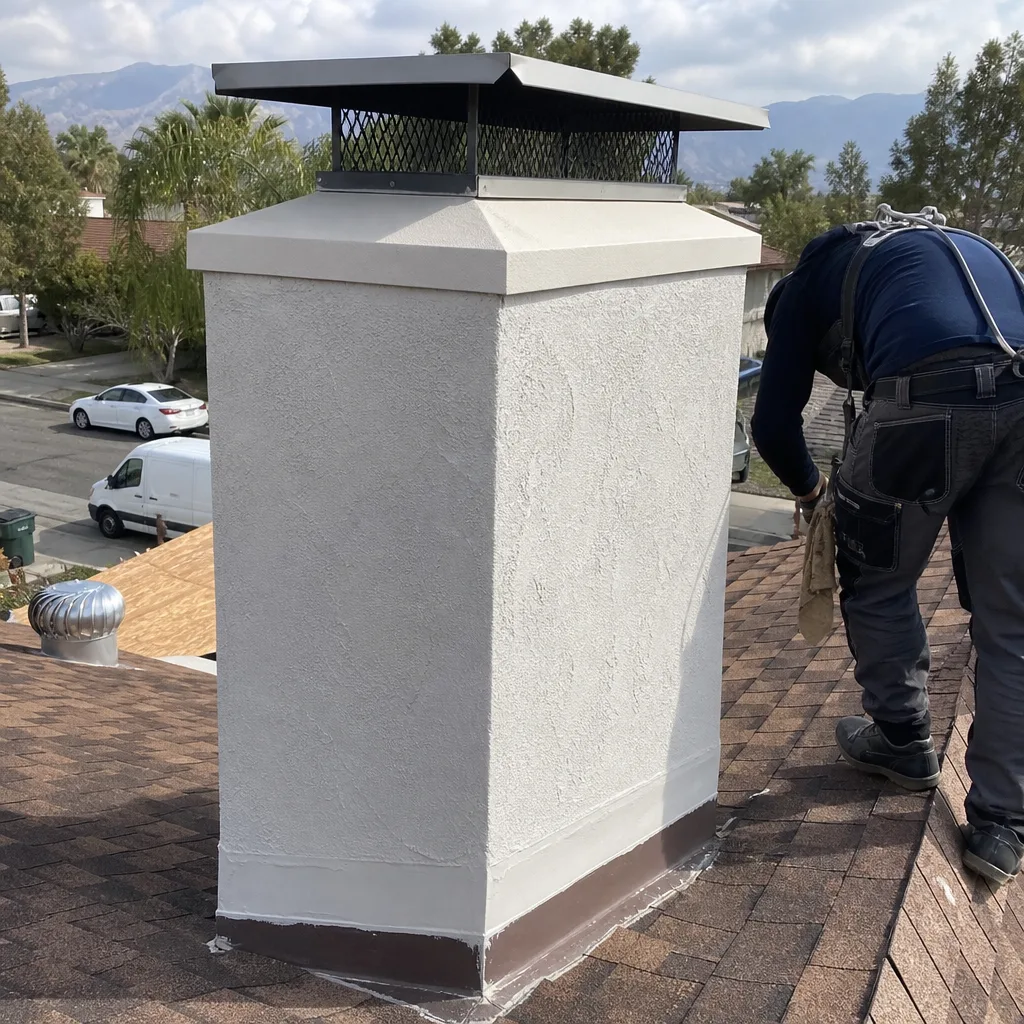 After
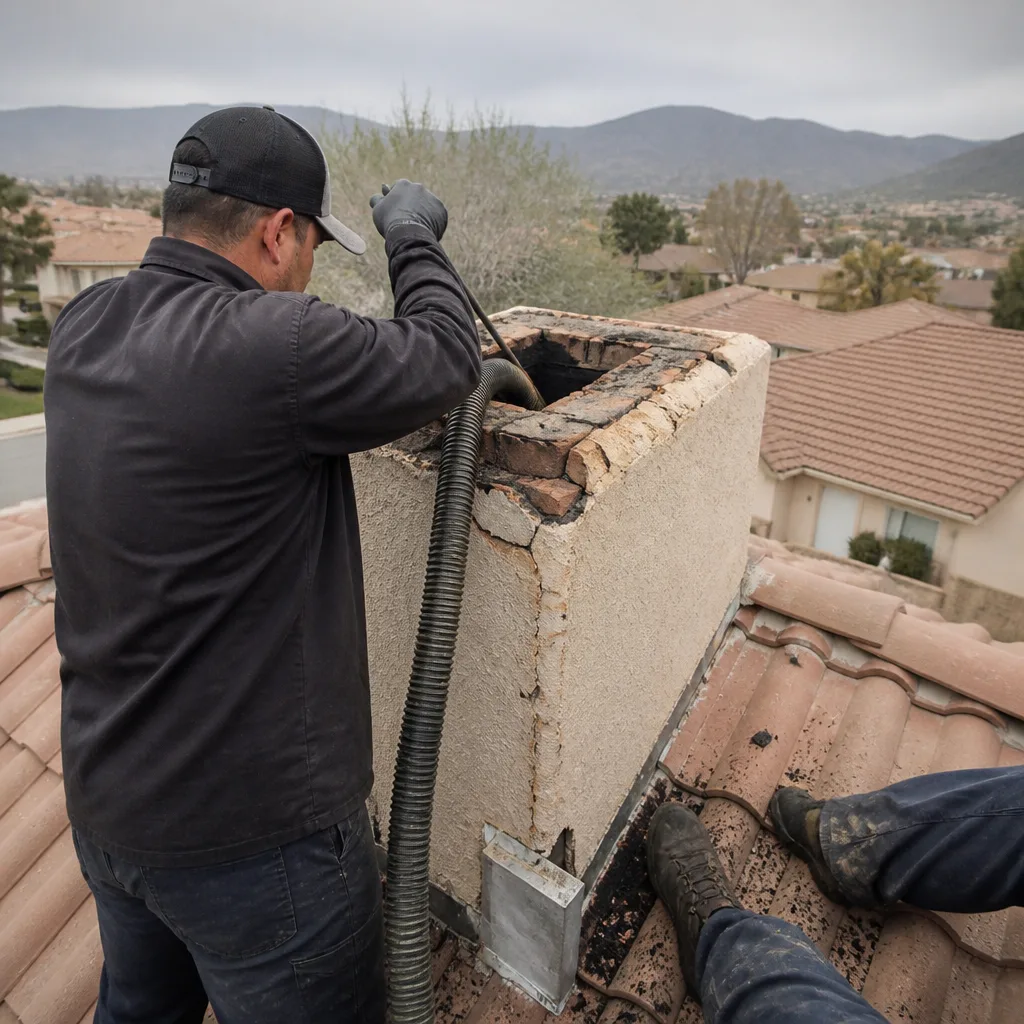 Before
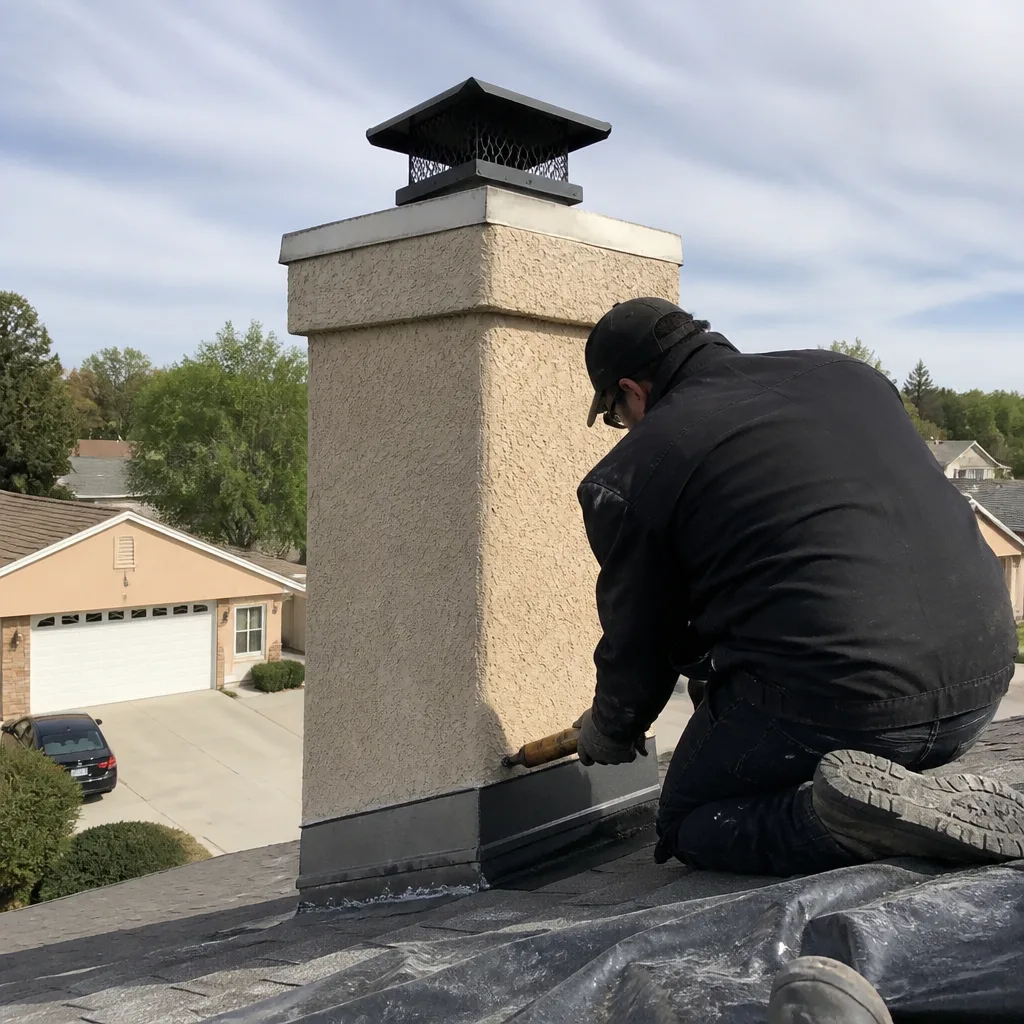 After
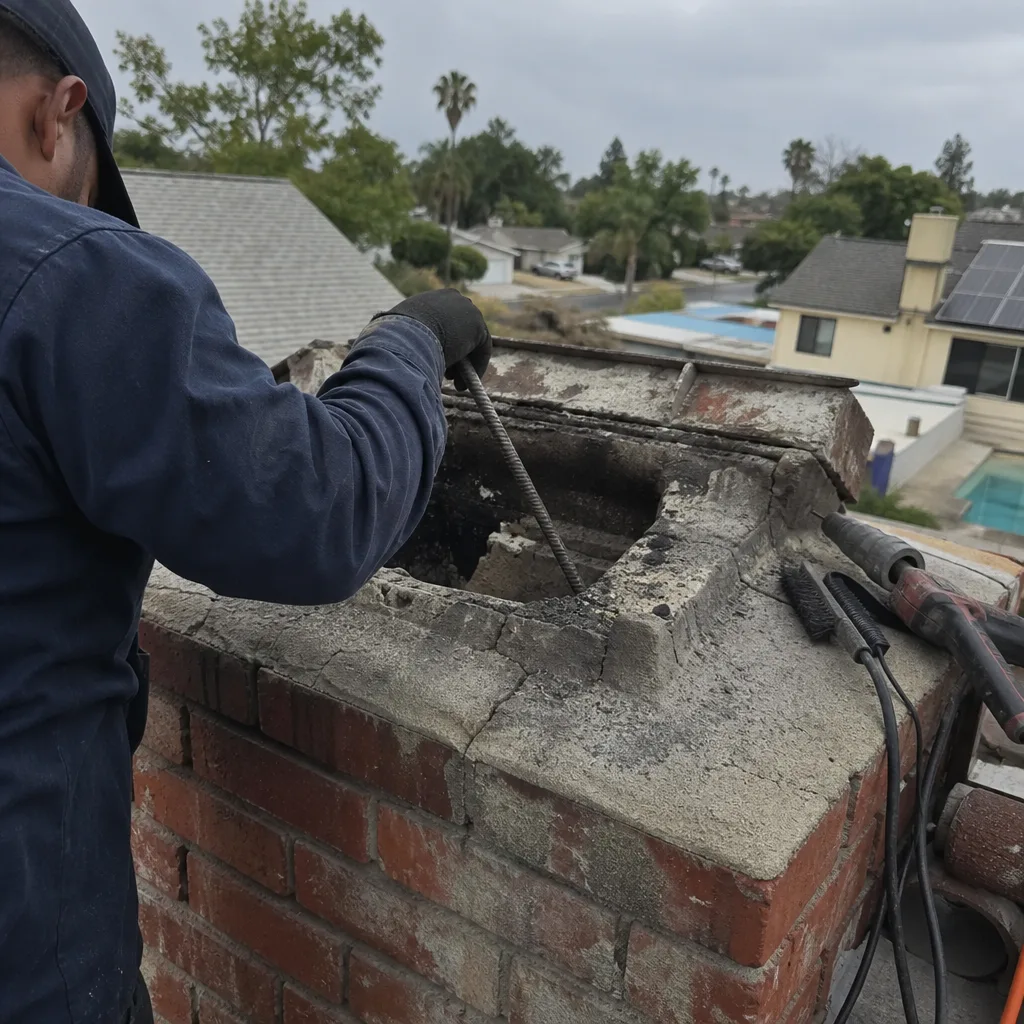 Before
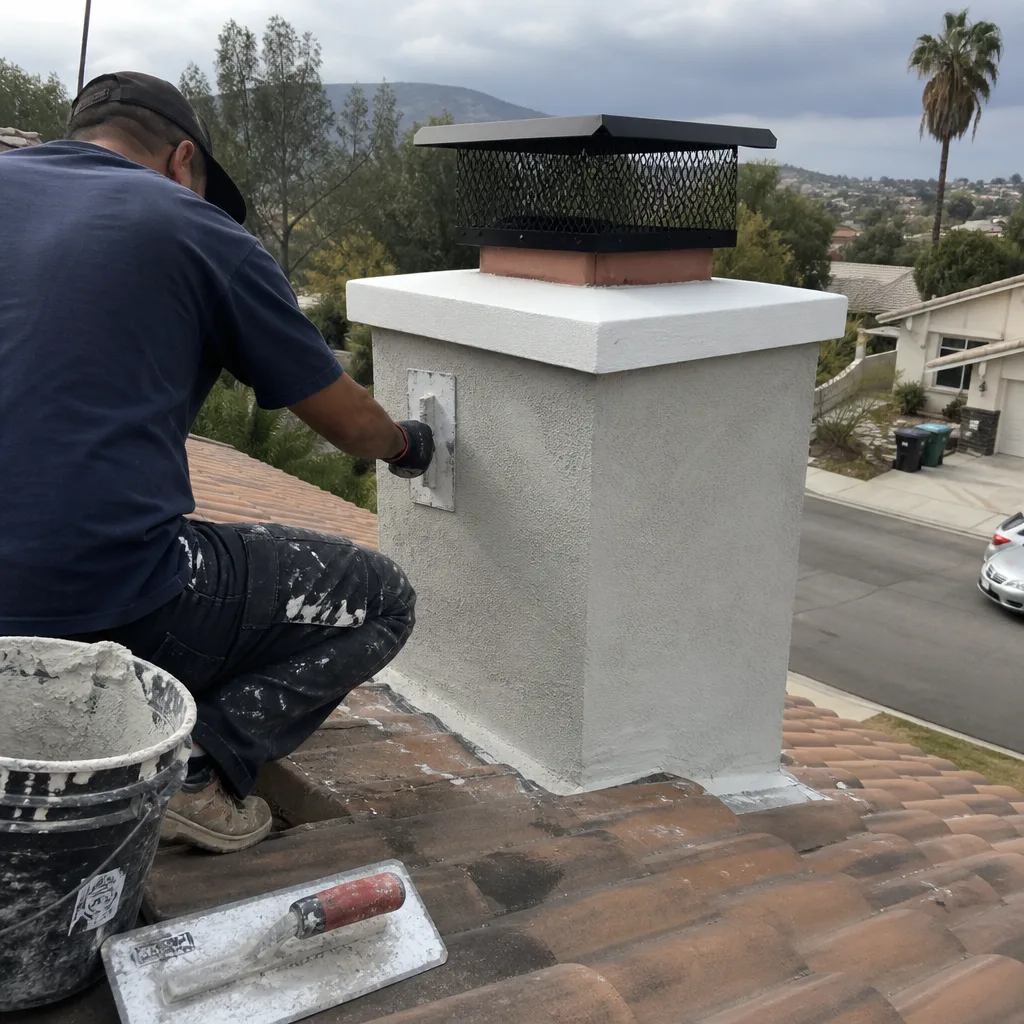 After
When to Call a Professional
Call a chimney professional if you smell smoke in the house after the fire is out, if you see white staining on the exterior brick (efflorescence, a sign of water infiltration), if you notice chunks of flue tile in the firebox, if the damper won’t open or close fully, or if you’ve burned more than a cord of wood since the last cleaning. For urgent warning signs, consult our Chimney Cleaning Emergency Preparedness Guide for Moreno Valley Homes. These are all indicators of issues a standard sweep can identify but not necessarily resolve. Mantel Chimney Sweep offers free estimates in Moreno Valley, and the inspection footage is yours to see. Call (844) 821-5749 to schedule.
Frequently Asked Questions
A full-service chimney sweep in Moreno Valley typically costs between $189 and $289, depending on chimney height, roof accessibility, and creosote condition—see our Chimney Cleaning Cost Breakdown: The Moreno Valley Homeowner’s Reference for 2026 for full pricing details. This price should include a camera inspection of the flue. Be cautious of quotes below $150 that include a “free inspection,” as these often function as loss leaders for high-pressure repair sales on site. Call (844) 821-5749 for an exact quote based on your chimney’s specifics. Estimates are free.
A legitimate liner replacement recommendation should be supported by camera footage showing the specific damage, and the technician should be able to explain why a restoration (like HeatShield) is or isn’t an option for your flue. If someone recommends a full replacement without showing you the damage or discussing restoration alternatives, get a second opinion. The right materials, installed right, matter, but so does honesty about when a less invasive fix will do.
The National Fire Protection Association recommends a sweep whenever creosote buildup reaches 1/8 inch or more, and at least once per burning season for wood-burning fireplaces. In Moreno Valley, where wood-burning use is heavier in winter and thermal cycling stresses clay liners year-round, an annual sweep with camera inspection is the safest rhythm for most homes. Call (844) 821-5749 to schedule before the burning season starts.
Creosote accumulates inside the flue, and creosote is a combustible material that burns at over 2,000 degrees Fahrenheit once ignited. A creosote fire can crack the flue liner, spread to the surrounding framing, and become a full structure fire in minutes. Skipping cleanings also allows early-stage liner damage to progress unnoticed, since the only way to see flue tile cracks is through a camera inspection during a sweep.
Chimney sweeping itself does not require a specific state contractor license in California, but any repair work over $500 does require a license from the Contractors State License Board. This is why you should ask whether the company holds a license and what classification it falls under, and verify it yourself through the CSLB database before booking. A legitimate full-service chimney contractor will have the license and will print it on every estimate.
Yes, and scheduling outside the peak burning season (November through February) often means shorter wait times and easier scheduling. But the most important factor is condition, not season: if you suspect buildup or haven’t had the chimney inspected in years, waiting for the right calendar window matters less than getting a professional camera inspection scheduled. Call (844) 821-5749 to book a sweep with inspection from flue to firebox.
The Bottom Line
Hiring a chimney cleaning contractor in Moreno Valley is not about finding the lowest bid. It’s about finding a company that can clean what’s dirty, show you what’s damaged, and repair what’s broken using professional-grade materials. Verify the license. Ask the camera question. Ask the liner question. Read the written estimate carefully, and walk away from any operator who pressures you into a same-day decision. A full-service specialist like Mantel Chimney Sweep, carrying materials from DuraFlex, HeatShield, and Olympia Chimney, is equipped to diagnose and fix in one visit. That’s what you’re paying for. From flue to dryer vent, built around your fireplace’s long-term safety.
Written by the team at Mantel Chimney Sweep, serving Moreno Valley since 2018.