Last updated October 30, 2026
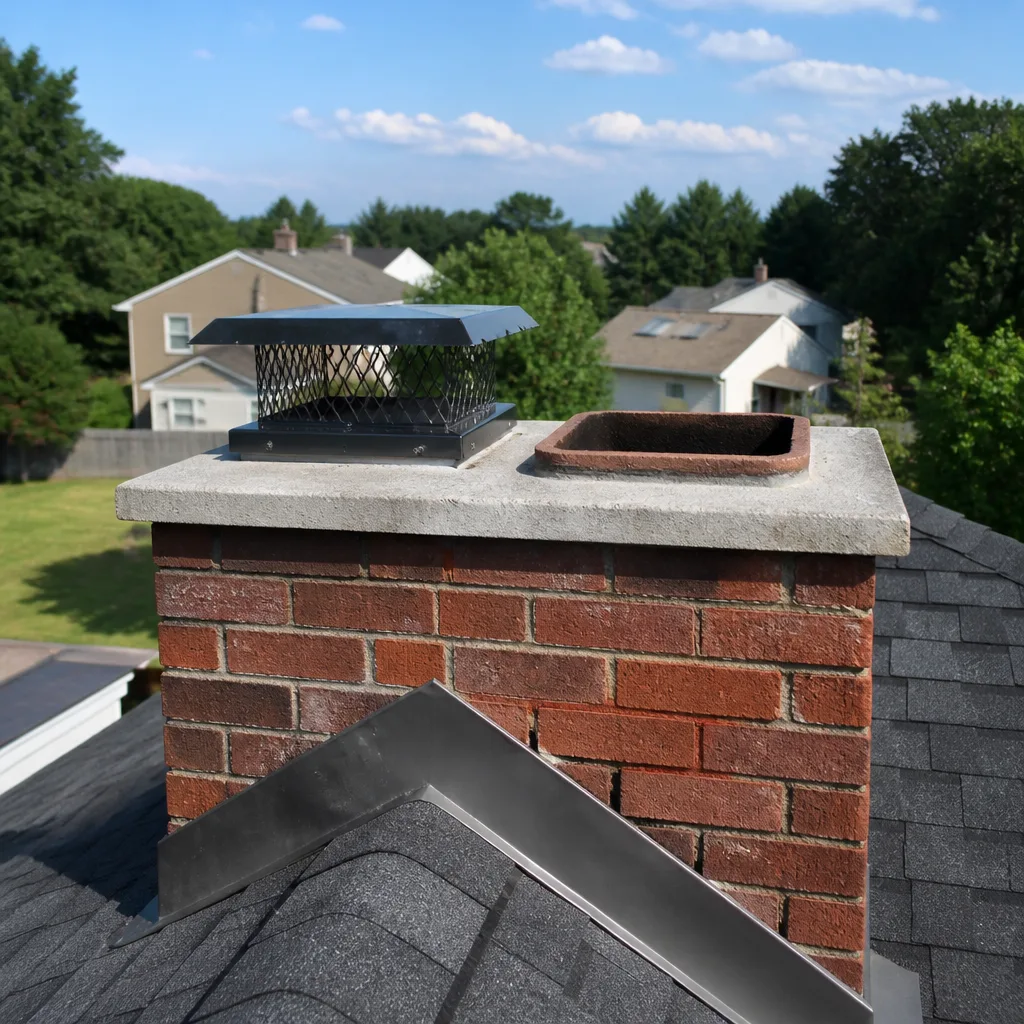 Sweep & inspection
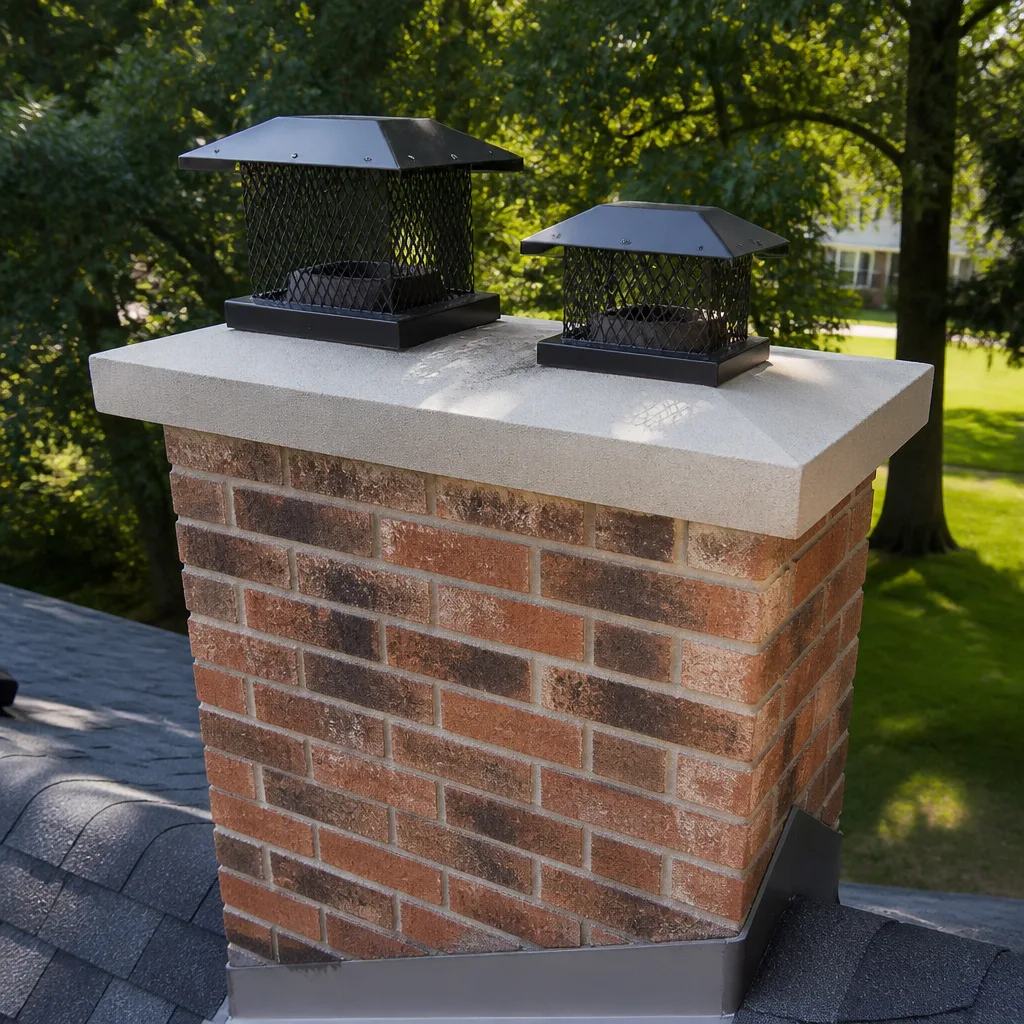 Caps & crowns
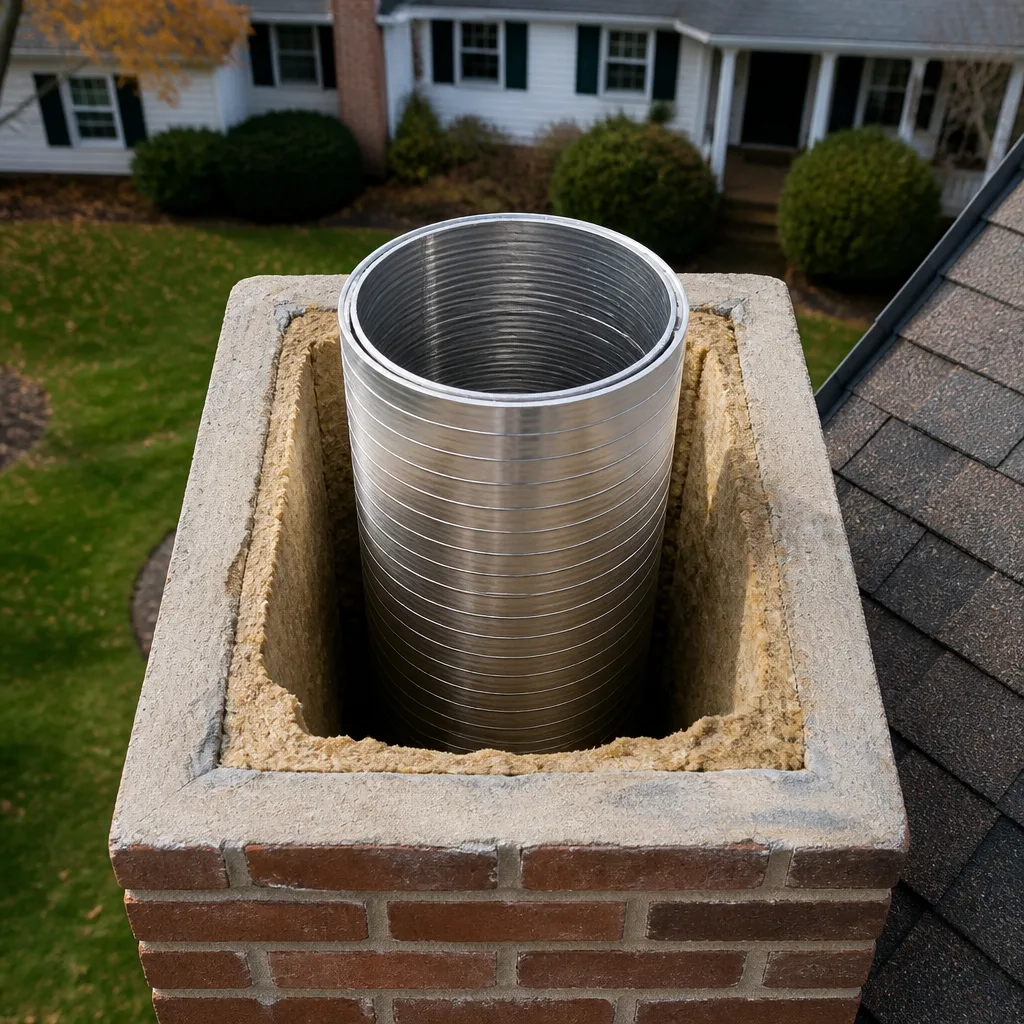 Flue relining
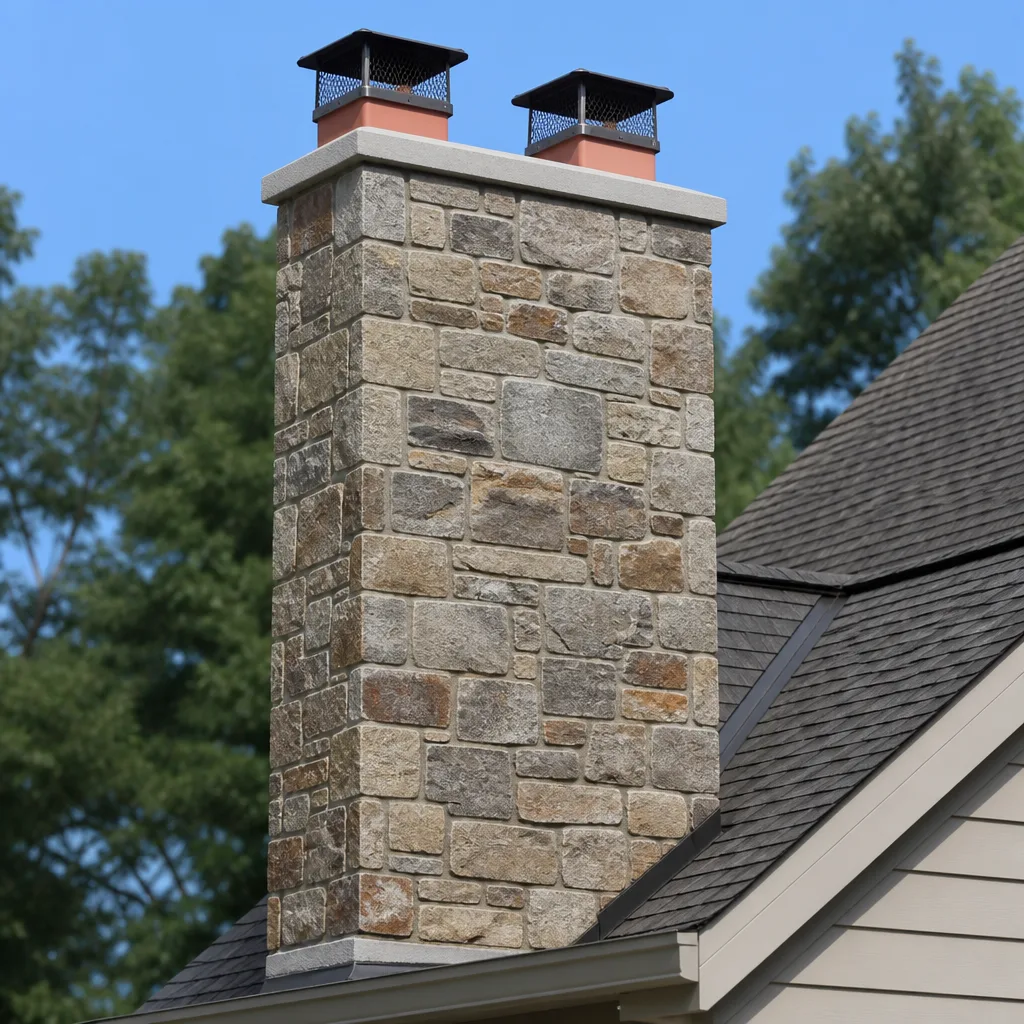 Masonry repair
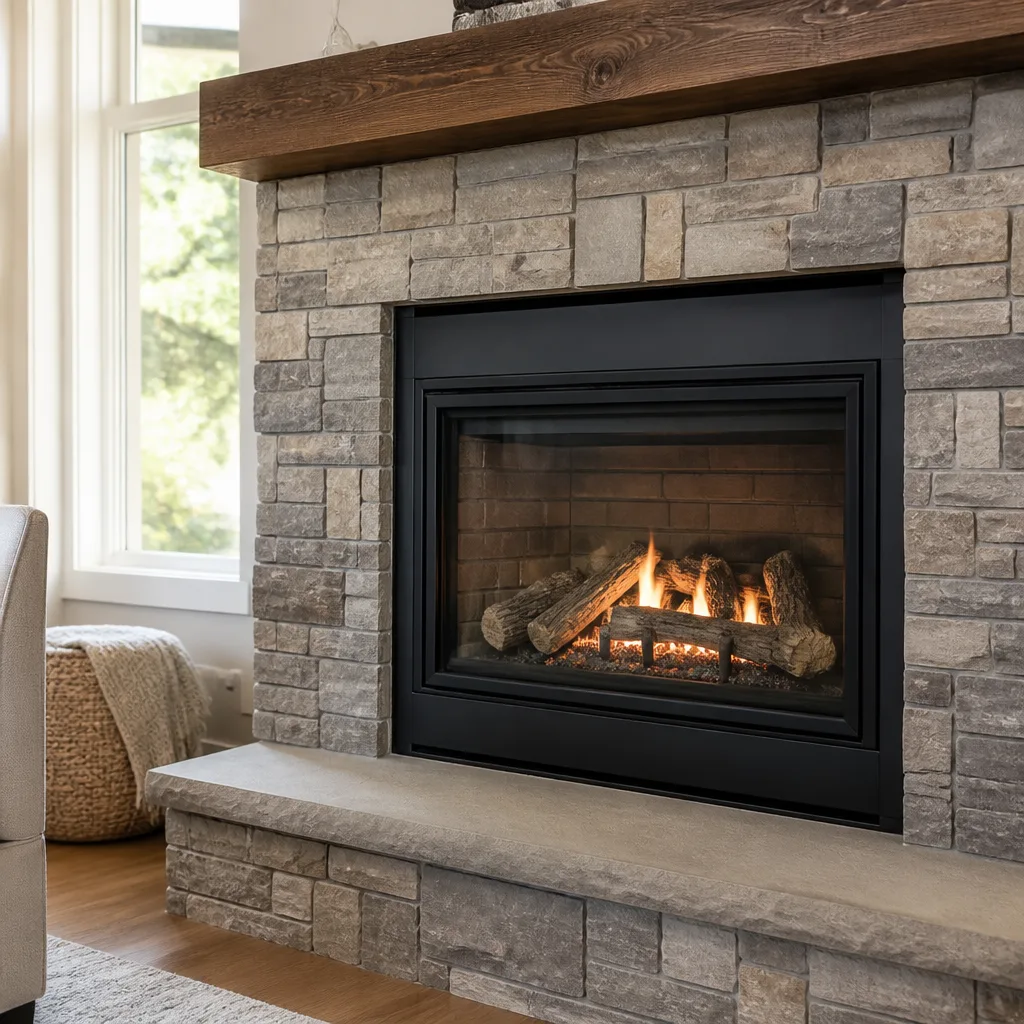 Gas fireplace service
Level 1 sweep and inspection to the NFPA 211 annual standard - flue, crown, cap, and flashing checked and photographed
Chimney sweep logs do not sweep chimneys. They loosen some creosote - which then falls where a brush and vacuum still have to collect it.
Seasonal Chimney Cleaning Care for Moreno Valley: Year-Round Homeowner’s Guide
Most Moreno Valley homeowners schedule chimney cleaning in November. By then, the first Santa Ana winds have already stripped loose debris from rooftops, the first fires are burning, and whatever has been living in or accumulating inside the flue since spring is now a genuine hazard. This guide, along with our more guides & resources, is built around the maintenance calendar that actually fits the Inland Empire: a fire season that starts in fall, a rain window that arrives in winter, and a long, hot nesting season in between. You’ll learn exactly when to clean, what to check, and which months matter more than the generic advice suggests.
Styles & brands we work with
Quick Answer
Chimney cleaning in Moreno Valley should be scheduled in August or September, before Santa Ana wind season and the first burn of fall, with a follow-up inspection after heavy winter rain. The local climate creates a year-round chimney care calendar that has almost nothing in common with the traditional Northeast “clean in fall, done until spring” model. Year-round attention to your flue, crown, cap, and damper is what prevents the specific failures we see most often across Moreno Valley homes.
Table of Contents
- Why the Moreno Valley Chimney Calendar Is Different
- August-September: The Correct Cleaning Window
- Santa Ana Winds: What They Do to Your Flue
- Winter Rain and the Uncapped Crown Problem
- Spring Nesting and Inland Empire Pests
- SCAQMD No-Burn Days and Your Cleaning Schedule
- Gas vs. Wood: Different Fuels, Different Calendars
- Common Mistakes to Avoid
- When to Call a Professional
- Frequently Asked Questions
- The Bottom Line
Why the Moreno Valley Chimney Calendar Is Different
Chimney maintenance advice written for the Northeast tells you to schedule a sweep in late summer or early fall, then relax until spring. That model assumes snow, freezing temperatures, and a hard stop to burning season. Moreno Valley doesn’t work that way. Our fire season runs from roughly October through February, with occasional burns in March. Our wind season overlaps with fire season. Our rain arrives in bursts between January and April. And our summers, while not burning season, are peak nesting months for birds and rodents looking for a dark, protected passage into your home.
Heating in Moreno Valley is not a daily November-to-March necessity the way it is in Massachusetts or Minnesota. Instead, fireplaces are used intermittently: on cold desert nights, during holiday gatherings, on rainy weekends. That intermittent use pattern creates a specific problem. A chimney that sits idle for six months accumulates debris, dust, and sometimes animal nests. When you light that first fire in November, you’re igniting whatever has settled in the flue. If the buildup includes creosote, you have a chimney fire risk. If it includes a bird or rodent nest, you may get smoke pouring back into the living room.
The correct local calendar looks like this:
- August to September: Primary chimney sweeping and inspection, before wind and burn season begin.
- October through February: Active burn season; monitor for performance changes, especially after Santa Ana events.
- January through March: Post-rain inspection of the crown, cap, and flashing; check for water intrusion.
- March through May: Cap and screen verification; seal any entry points before nesting season peaks.
- May through August: Off-season monitoring; consider dampers, liners, and repair work while the chimney is unused.
What this means in practice: if you’re reading this in September and haven’t had your chimney cleaned yet this year, now is the time. If you’re reading it in November, your first fire should wait until after a professional has taken a look. The team behind Mantel Chimney Sweep home has built this calendar around repair patterns we see throughout the Moreno Valley and broader Inland Empire.
August-September: The Correct Cleaning Window
August and September are the right months for chimney cleaning in Moreno Valley for three reasons: the flue is dry and accessible, the nesting season has wound down, and you have a clean baseline before wind season begins. A dry flue is easier to inspect than a damp one. Creosote that has baked in summer heat tends to be brittle and separates from flue walls more cleanly than the sticky, tar-like deposits that form during active burn months. That means a more complete removal and a more accurate visual inspection of the underlying liner.
September also gives you time to address problems before they become dangerous. If a sweep in August reveals a cracked flue liner, you have six to eight weeks to schedule a repair—budgeting details are covered in our Chimney Cleaning Cost Breakdown: The Moreno Valley Homeowner’s Reference for 2026—before you actually need the fireplace. If you wait until November and the same crack is discovered, you’re faced with a choice: burn anyway and risk combustion gases entering the home, or skip the fire and repair during the season you wanted to use it. Most homeowners in that position burn anyway, because the fireplace is already lit and the family is gathered around it. That’s the scenario the correct calendar prevents.
What a late-summer cleaning and inspection should cover:
- Flue brush and creosote removal: Grade 1, 2, or 3 deposits need to be fully removed before the first burn.
- Visual liner inspection: Cracked tiles, spalling, or gaps are most visible when the flue is clean and dry.
- Cap and screen condition: Damaged spark arrestors are a common entry point we see on Moreno Valley chimneys after wind season.
- Crown surface check: Hairline cracks in the crown tend to widen when winter rain fills them and summer heat expands them.
- Damper operation: A damper that doesn’t seal means your air-conditioned living room air is escaping up the flue all summer.
This is also the best season for repair work. Chimney Repair in Moreno Valley is often scheduled in late summer because materials like HeatShield cerfractory sealant cure more predictably in warm, dry conditions than during cold or wet weather. A liner that needs restoration is far easier to address while the chimney is dormant.
Santa Ana Winds: What They Do to Your Flue
Santa Ana wind events are the most overlooked factor in Moreno Valley chimney care. These winds, which typically begin in October and peak in November and December, push dry air from the high desert through the passes and into the basin. For a chimney, that means sustained wind pressure against the cap, negative pressure zones inside the flue, and a steady rain of leaves, twigs, and other airborne debris across rooftops.
Here’s what we see after a significant Santa Ana event:
- Damaged caps and screens: Wind-driven branches and debris can bend spark arrestor mesh, dent caps, or knock them off entirely. A chimney missing its cap becomes an open pipe that admits rain, birds, and debris.
- Pressure differentials: High winds across the top of a flue can create negative pressure inside the chimney, pulling smoke down into the living space even when the damper is open. This often gets misdiagnosed as a drafting problem when the actual cause is a missing or undersized cap, or a flue that’s unusually short for the height of the roofline.
- Debris loading: After a strong wind event, we find flues with a half-inch or more of loose leaves, palm fronds, and other Inland Empire landscape debris settled on top of the smoke shelf. That material is flammable and obstructs airflow.
- Animal displacement: Santa Anas disrupt nests, which sends squirrels and roof rats looking for new shelter. A chimney with a damaged screen is a prime target, and sometimes the first sign is the sound of scratching inside the flue or a sudden draft blockage.
If you’ve experienced a strong Santa Ana event since your last cleaning, an inspection before your next burn is not paranoid; it’s the functional equivalent of checking your tires after driving over road debris. The wind has done something to your chimney. The question is whether it’s cosmetic or structural. In our experience, homeowners who burn after a Santa Ana without checking are the ones most likely to call a few weeks later about smoke backing up into the living room.
Winter Rain and the Uncapped Crown Problem
Moreno Valley rain arrives in bursts. A single atmospheric river can drop more water on your chimney than the previous three months combined. That water does its damage in the weeks between fires, when the masonry is cool and cracks are open at their widest. The most vulnerable point is the crown, the mortar pad that caps the chimney structure. Hairline cracks from years of summer expansion and winter contraction are already there. A heavy rain fills those cracks, and the next cold night freezes the moisture, expanding it and widening the fracture. This freeze-thaw cycle is exactly how small crown cracks become structural failures.
But the more common and more damaging issue we see in Moreno Valley is not a cracked crown. It’s a missing or damaged chimney cap. An uncapped flue lets rain fall directly into the firebox area. The water pools on the smoke shelf, mixes with creosote and soot, and creates a highly acidic slurry that attacks the masonry and the damper assembly. This is also the number one entry point for water damage to the firebox itself, rusted dampers that won’t open or close, and staining on the interior fireplace walls.
What to check after winter rain events:
- Water stains or efflorescence on the exterior chimney brick, especially near the top or along the roofline. White chalky residue means water is moving through the masonry.
- Dampness inside the firebox in the days after a storm, even if you haven’t used the fireplace. This points to a cap or crown failure.
- Sticking or rusted damper: if the damper handle becomes noticeably harder to move after winter rains, water has reached the mechanism.
- Crumbling mortar on the chimney exterior after a storm, which can indicate deeper water saturation from a failed crown.
Addressing these issues in early spring, before the next rain cycle and before summer heat bakes the water-damaged masonry, is cheaper and more durable than waiting until fall. Water damage compounds. A $150 cap replacement in March prevents a $2,000 crown rebuild two years later.
Spring Nesting and Inland Empire Pests
March through May is prime nesting season in the Inland Empire. The species that most often enter Moreno Valley chimneys are house sparrows, starlings, squirrels, roof rats, and, occasionally, raccoons in neighborhoods adjacent to the Box Springs foothills or open sage scrub. All of them are looking for the same thing: a dark, vertical, protected space where they can build a nest that won’t be disturbed.
A chimney without a proper cap and screen is an open invitation. And the nests they build are not just a nuisance; they’re a fire and carbon monoxide hazard. A starling or sparrow nest can completely block a flue within two to three weeks of active building. A squirrel nest is worse, because squirrels pack nesting material with oils from their fur and debris from the surrounding area, then defend the space aggressively. What’s worse: a squirrel that enters through a chimney often ends up trapped in the firebox, where it chews through dampers, gas lines, and even electrical wiring in its attempt to escape.
Spring prevention steps that actually work:
- Install or replace your chimney cap and screen in March, not in October. By fall, the nesting season is over, but the damage has been done.
- Check the screen mesh size. Standard 3/4-inch mesh keeps out larger birds but admits sparrows, starlings, and most rodents. A professional cap with a proper spark arrestor screen is a better barrier, and it also meets California fire code requirements for containing embers.
- Trim tree branches that overhang or touch the chimney. Squirrels and roof rats use these as highways. Removing the branch access is the single most effective deterrent in Moreno Valley’s mature landscaping.
- Listen for bird activity in April and May. If you hear chirping or scratching from your flue, contact a professional. Removing a live nest is regulated under the Migratory Bird Treaty Act, and a professional knows how to time the removal legally and safely.
The spring season is also the right time to schedule Chimney Sweep in Moreno Valley service if you didn’t get a fall cleaning done. A late spring sweep clears out any early-season nests and gives you a clean chamber for the summer, not just for the next burning season.
SCAQMD No-Burn Days and Your Cleaning Schedule
Moreno Valley falls under the jurisdiction of the South Coast Air Quality Management District, which issues no-burn day alerts from November through February. On these days, burning wood in a fireplace or wood stove is prohibited unless your home has no other source of heat. These restrictions change the practical rhythm of fireplace use in our area, and they affect chimney care in ways most guides don’t address—see our Chimney Cleaning Emergency Preparedness Guide for Moreno Valley Homes for what to do when alerts collide with cold nights.
Three things to understand about SCAQMD no-burn days and your chimney:
- No-burn days are more frequent in still-air conditions, when smoke lingers in the basin. These are not the days you want to be burning questionable fuel in an unmaintained chimney anyway. But they also mean fireplaces sit unused for stretches of the burn season, which lets creosote cool and harden between burns. Hardened creosote is harder to remove later, so extended no-burn periods make the next cleaning more involved.
- A clean flue matters even during restrictions. The point of a no-burn day is to reduce particulate matter. A chimney with heavy creosote still off-gases in warm weather, contributing to indoor air quality problems even when the fireplace isn’t actively burning. In our experience, homes with neglected flues smell smoky inside during the shoulder seasons, and that’s the creosote, not the fire.
- Gas fireplaces are often exempt from no-burn restrictions, which means many Moreno Valley households switch to gas during restricted periods. That’s a good reason to make sure your gas fireplace is venting properly before the season begins. A gas appliance that shares a flue with a wood-burning unit still needs the same visual inspection of the liner and termination.
If you’re burning intermittently through the no-burn season, check SCAQMD alerts before you light. And if you’ve gone weeks without a fire, check the flue for obstructions before your next burn. Pests don’t respect air quality districts.
Gas vs. Wood: Different Fuels, Different Calendars
Not all Moreno Valley fireplaces burn wood. A growing number of homes, especially newer construction, use gas log sets, gas inserts, or direct-vent fireplaces. If you have a gas-burning setup, your cleaning calendar looks partially different from a wood-burning neighbor’s, but you are not exempt from maintenance.
Gas fireplaces produce no creosote, but they do produce soot, and the combustion byproducts can still coat the inside of the flue and the glass. More importantly, gas appliances introduce carbon monoxide into your living space if the flue is obstructed or the venting has been compromised. A bird nest in a gas flue is a carbon monoxide event waiting for the next time the appliance kicks on.
For gas fireplaces in Moreno Valley:
- Annual inspection still applies. The termination cap, vent connections, and flue interior need to be checked for blockages and corrosion every year, regardless of fuel type.
- Liner materials matter. Gas combustion produces acidic condensate that attacks flue tiles faster than wood smoke in some configurations. If your gas fireplace vents through an older masonry chimney, the liner may need evaluation. We use Chimney Repair in Moreno Valley techniques like HeatShield cerfractory sealant to restore flue surfaces damaged by acidic condensate, and DuraFlex liners where a full replacement is called for.
- Gas log sets still coat the flue. The yellow flames that look nice in the firebox are the result of incomplete combustion, which deposits soot. That soot is not a fire hazard the way creosote is, but it reduces draft efficiency and can obscure cracks in the flue during visual inspection, which is why cleaning before inspection is standard practice.
The bottom line for gas users: schedule the same late-summer inspection, but focus on cap condition, flue integrity, and ventilation rather than creosote removal. And if you convert from wood to gas, have the flue swept before the appliance is installed. Burning gas in a flue coated with old creosote is a combination no professional recommends.
Common Mistakes to Avoid
- Waiting until the first cold snap to call a sweep. By November in Moreno Valley, burn season has already started and the best scheduling windows are gone. Plan for August or September.
- Assuming a gas fireplace needs no maintenance. Gas fireplaces produce carbon monoxide, and their flues get blocked by nests and debris just like wood-burning ones. Annual inspection applies across the board.
- Running the fireplace with a missing or damaged cap. Every burn you make without a cap is another opening for rain, pests, and debris. The cap is not decorative; it’s a functional barrier.
- Burning after a Santa Ana without an inspection. Wind events change the condition of your chimney. The fire you start after a wind event may be the one that reveals a now-blocked flue.
- Ignoring slow drainage or damp firebox smells after winter rain. The problem will not dry out on its own over summer. Moisture in the chimney masonry continues to erode the structure and creates the conditions for more expensive repairs later.
- Removing a bird or squirrel nest yourself. Most nesting species are legally protected during breeding season, and climbing onto a roof without proper equipment is dangerous. Let a professional handle it.
- Skipping the dryer vent. The most common residential fire hazard in Moreno Valley isn’t the chimney at all. Clogged dryer vents ignite lint, and the vents that run through attics or walls can go years without attention. Dryer Vent Cleaning in Moreno Valley is a separate service with its own urgency, and it belongs on the same annual calendar as your chimney inspection.
When to Call a Professional
Call a chimney professional when you notice any of these: smoke entering the living space during a fire, a strong smoky smell when the fireplace isn’t burning, water in the firebox after rain, visible cracks in the chimney crown or exterior masonry, animal sounds from inside the flue, or a damper that no longer opens and closes smoothly. You should also call before your first burn of the season if you didn’t get a late-summer cleaning, and after any major wind or rain event that may have affected the chimney. These are not issues that resolve with time; they compound. Mantel Chimney Sweep offers free estimates in Moreno Valley. Call (844) 821-5749 to schedule a cleaning, inspection, or repair consultation.
Frequently Asked Questions
Once a year, scheduled in August or September, is the right cadence for most Moreno Valley homes that burn wood through the winter season. Homes that burn heavily or use the fireplace as a primary heat source may need a mid-season check in January. Gas fireplaces should be inspected annually as well, even though they don’t require creosote removal. Call (844) 821-5749 to book a cleaning that fits your burn schedule.
We don’t recommend it. A proper cleaning requires roof access, specialized brushes sized to your flue, and the ability to inspect the liner after the sweep. The real value is in the inspection. A homeowner can brush out loose soot and still miss a cracked liner, a failing crown, or a partially blocked flue that a trained eye catches. Beyond that, climbing onto a Moreno Valley roof in summer heat or after rain creates a falling risk that’s not worth taking.
Chimney sweeping in Moreno Valley typically runs between $180 and $350 for a standard single-flue cleaning with a visual inspection, depending on the level of creosote buildup, roof access, and whether the chimney has been cleaned recently. Additional services like cap replacement, crown repair, or a Level 2 camera inspection are priced separately. Call (844) 821-5749 for an exact quote based on your chimney’s condition; estimates are free.
Not always. A cracked or deteriorated liner is a safety issue because it allows heat and combustion gases to reach combustible materials in the surrounding structure. But some liner damage can be repaired without a full replacement, using products like HeatShield cerfractory sealant that resurface the existing flue. A full DuraFlex liner replacement is reserved for flues that are beyond restoration. Ask to see the camera footage or photos that show the specific damage, and get a second opinion if you’re not sure. Call (844) 821-5749 for an evaluation that includes visual documentation.
In the best case, you get a thicker creosote layer that requires more time and effort to remove later. In the worst case, you get a chimney fire or carbon monoxide intrusion. The specific risk depends on how you burn: hot fires with dry wood produce less creosote, while slow, smoldering fires with unseasoned wood produce the kind of tar-like deposits that ignite easily. You also miss the annual inspection that catches cap failures, crown cracks, and animal entry before they become expensive problems.
No. Wood-burning flues need creosote removal and a specific type of brush and technique. Gas flues need inspection for corrosion, blockage, and venting defects, but they don’t require the same mechanical brushing. A professional should know the difference and use the correct tools for each, which is part of why we recommend working with a chimney specialist rather than a general handyman service.
The Bottom Line
Seasonal chimney care in Moreno Valley is built around the local climate calendar and Chimney Cleaning Permits, Codes & Inspections in CA: What You Need to Know, not the fall-cleaning advice written for colder regions. Clean in late summer, inspect after Santa Ana winds and winter rain, seal the chimney against spring nesting, and keep an eye on SCAQMD no-burn days throughout the burn season. Gas and wood fireplaces both need annual professional attention, and the cap, crown, and liner are the components that determine whether your chimney is an asset or a liability. Schedule your next cleaning in August or September, and if you’ve missed that window, call before you light your next fire.
Written by the team at Mantel Chimney Sweep, serving Moreno Valley since 2018. Call (844) 821-5749 for a free estimate on seasonal chimney cleaning, inspection, or repair services.
See the difference
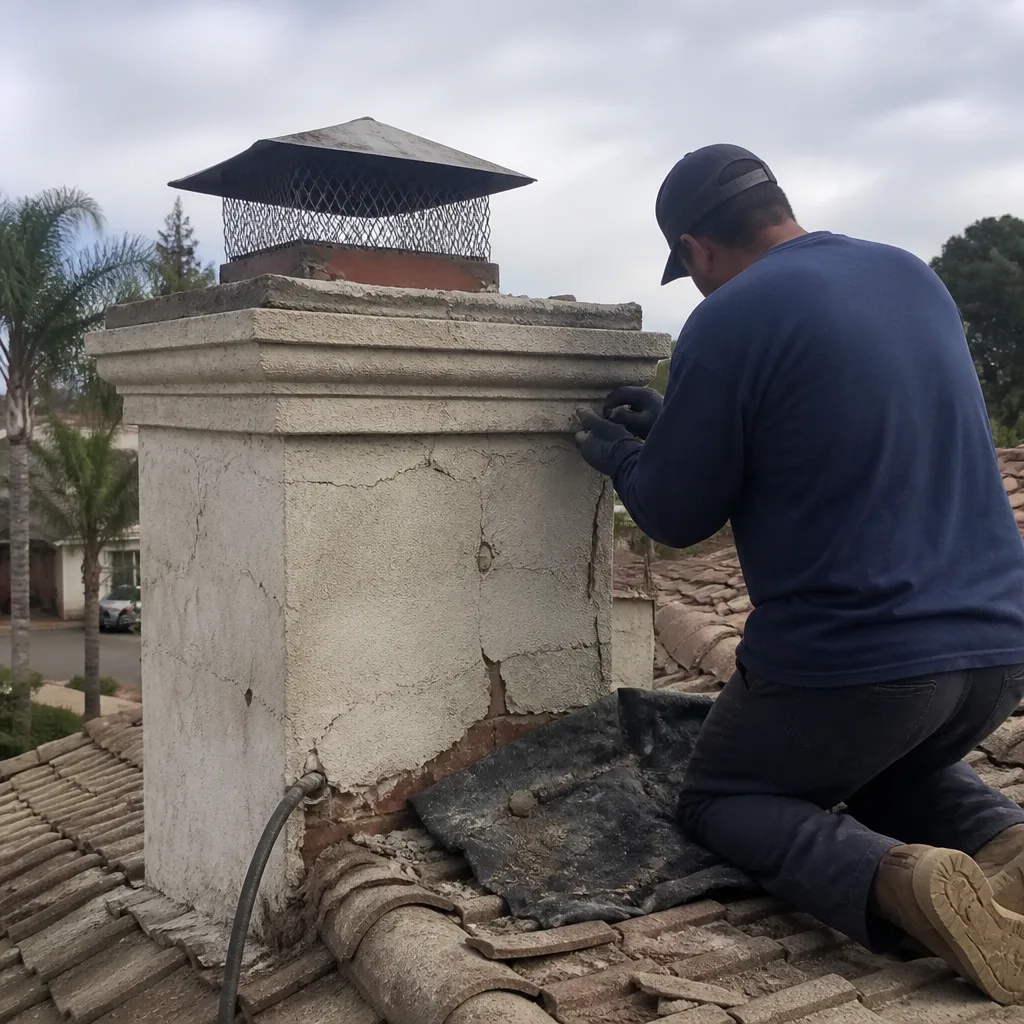 Before
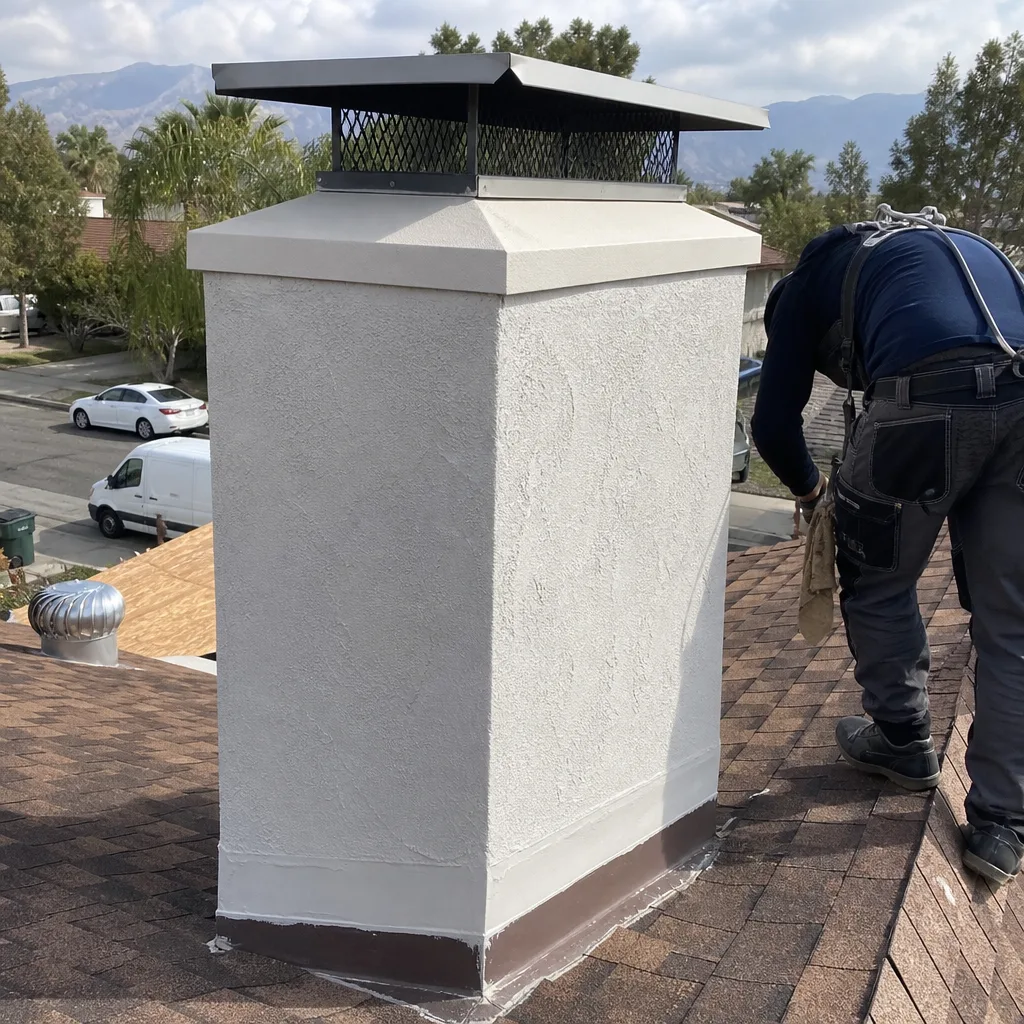 After
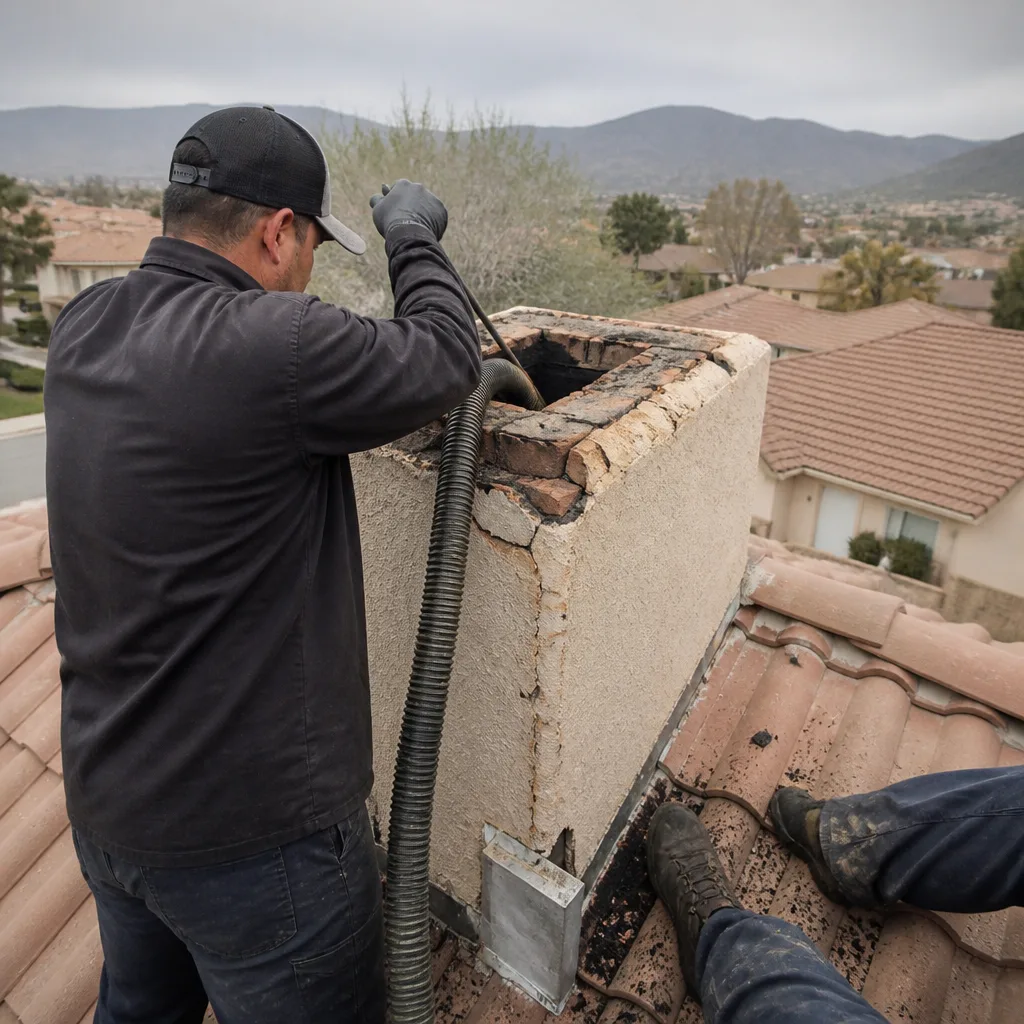 Before
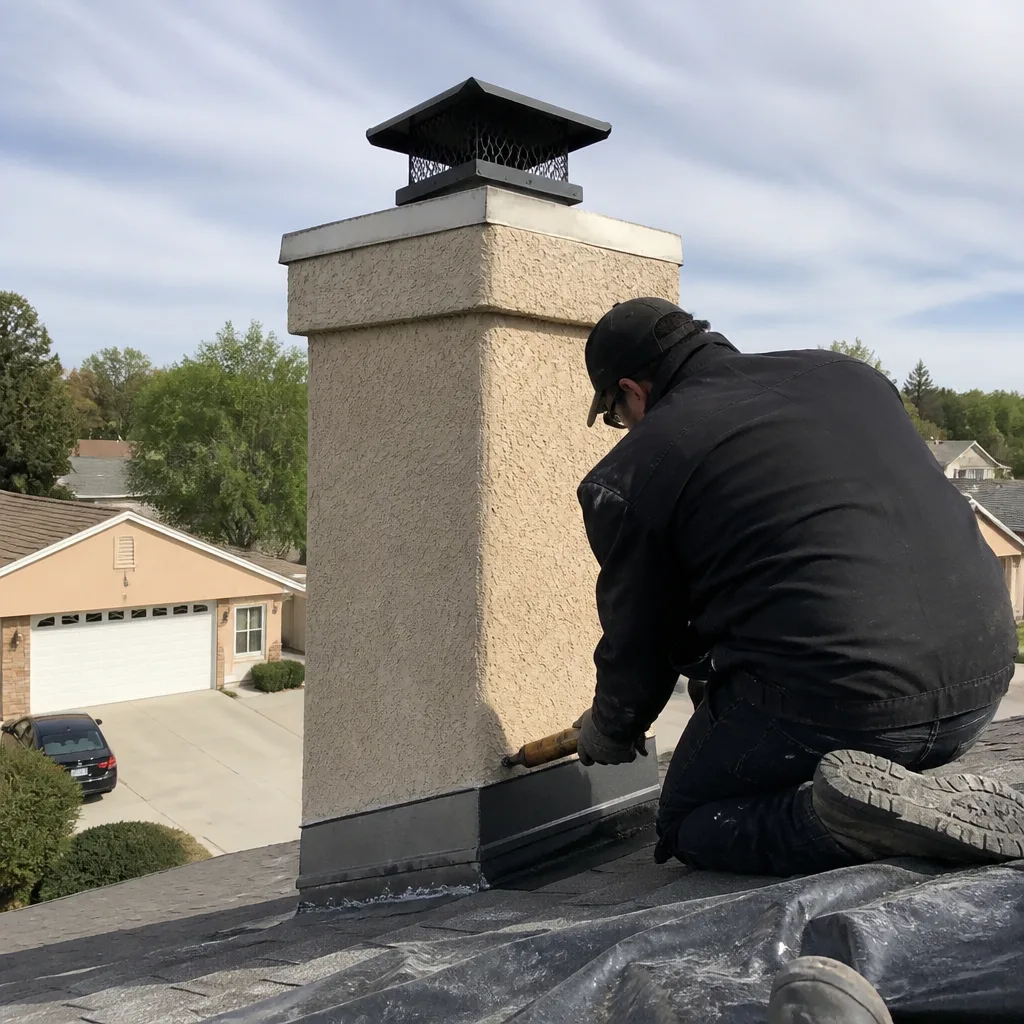 After
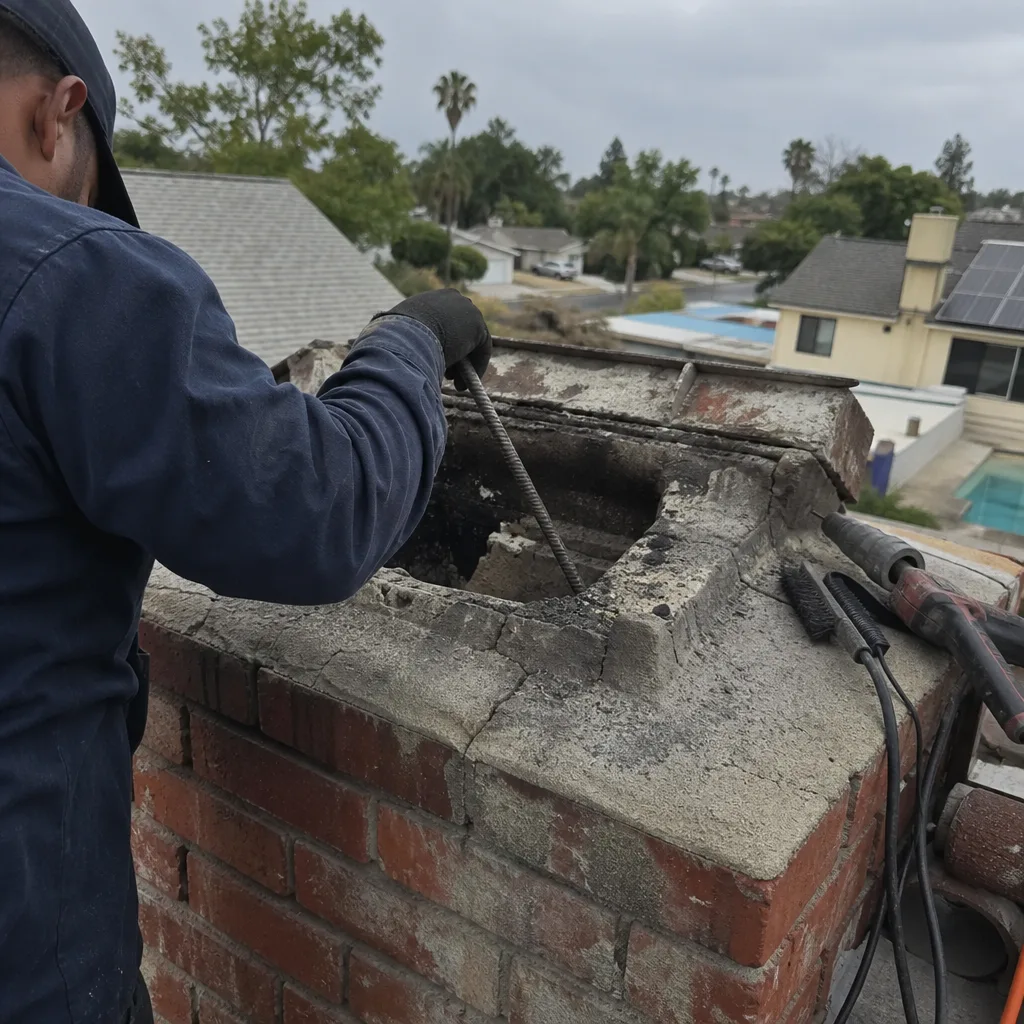 Before
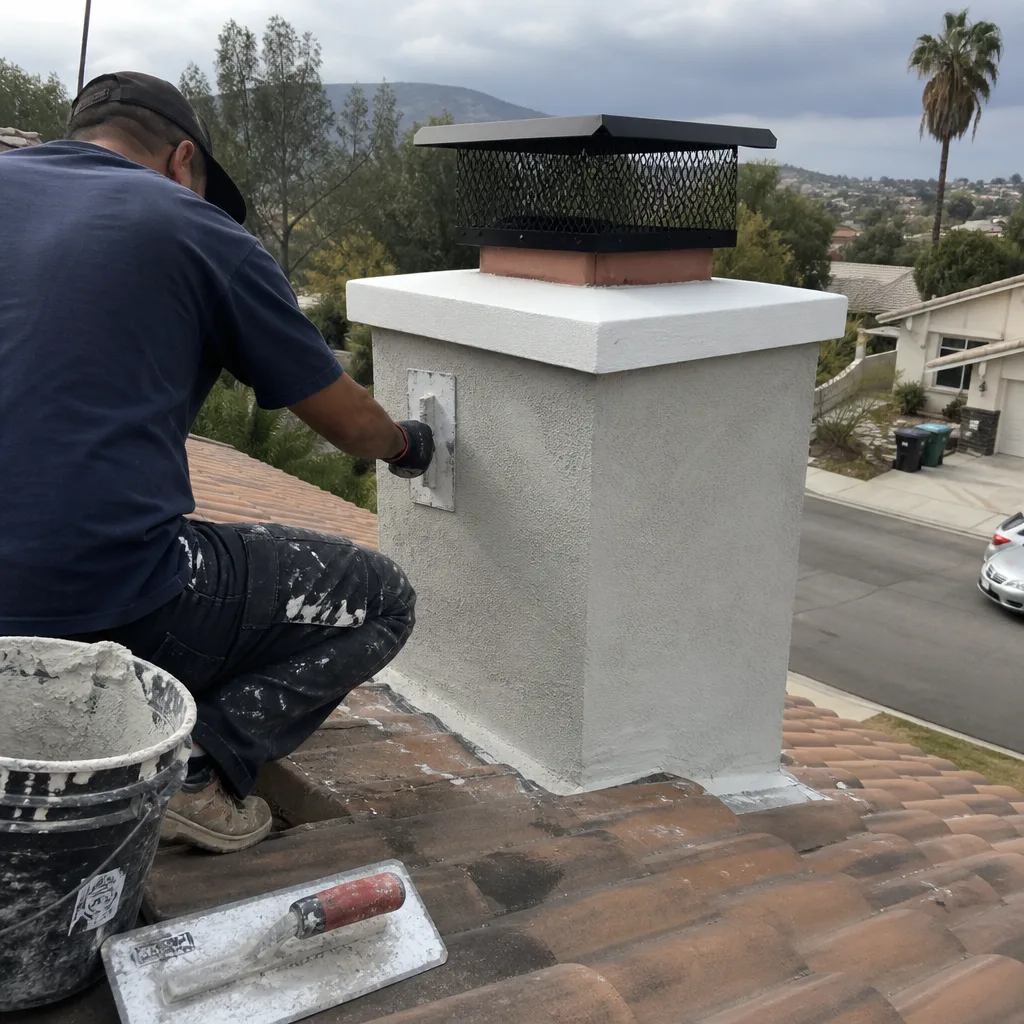 After