Last updated October 30, 2026
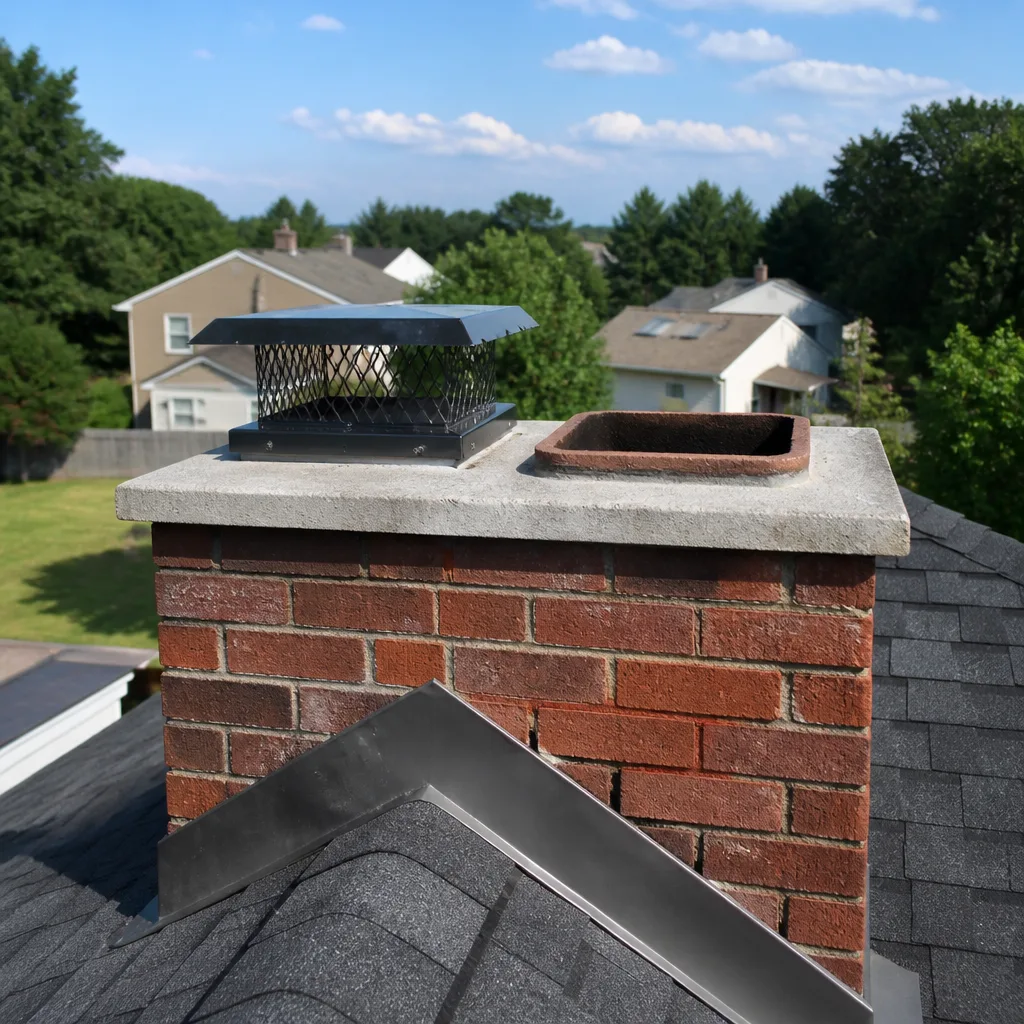 Sweep & inspection
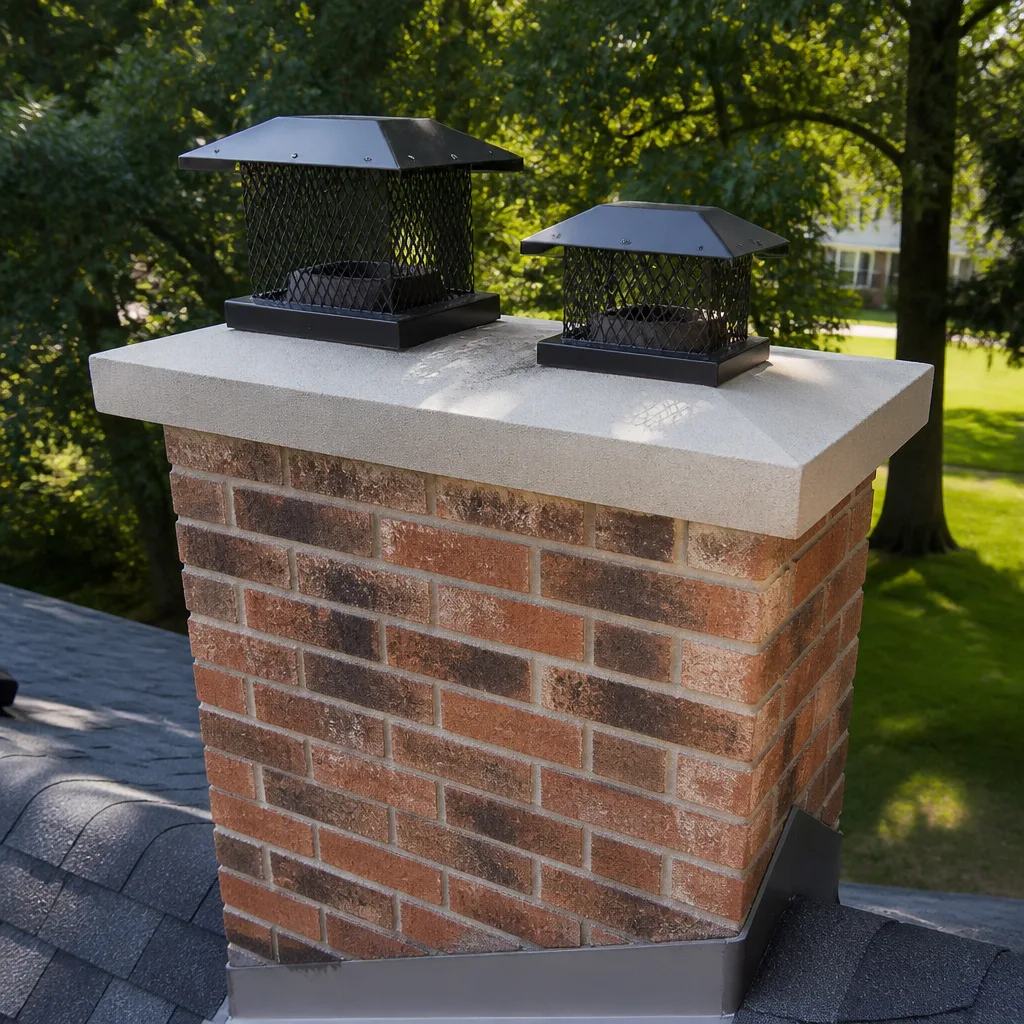 Caps & crowns
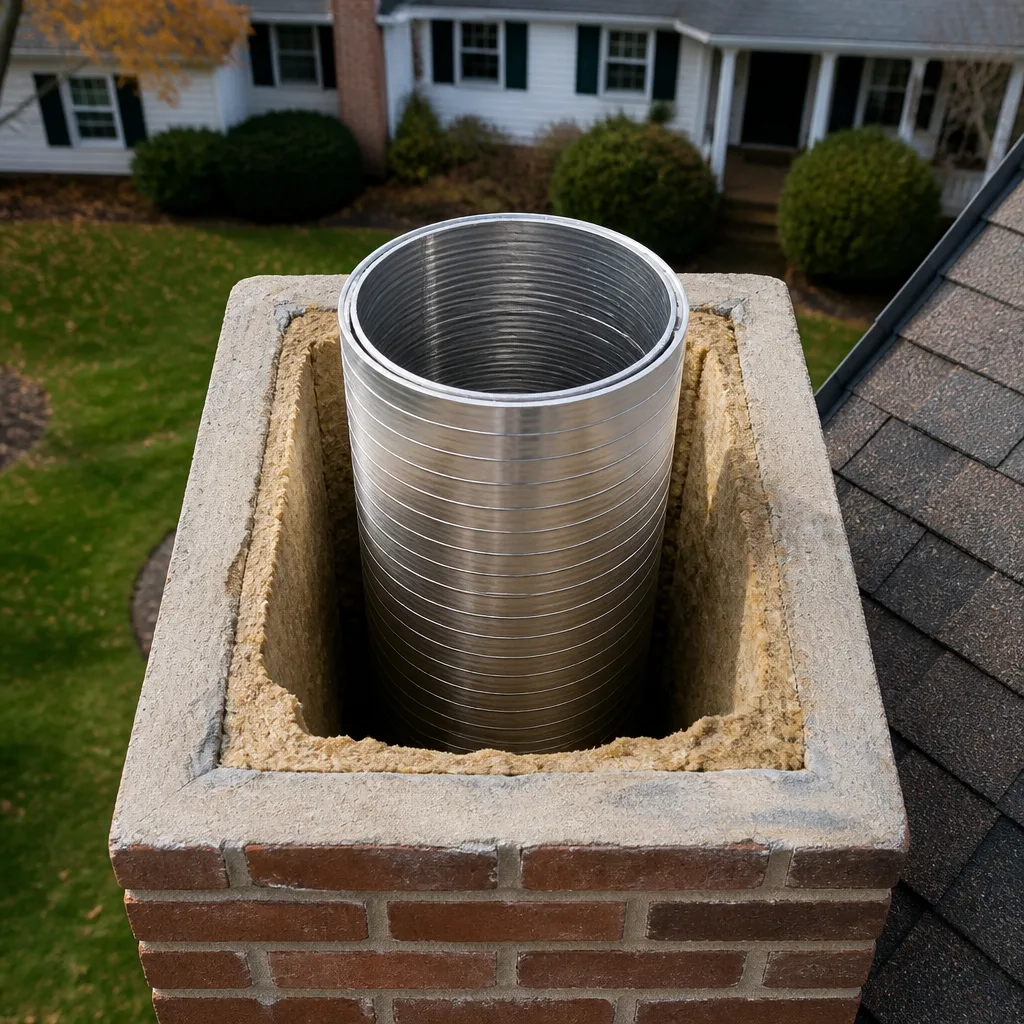 Flue relining
 Masonry repair
 Gas fireplace service
Level 1 sweep and inspection to the NFPA 211 annual standard - flue, crown, cap, and flashing checked and photographed
Chimney sweep logs do not sweep chimneys. They loosen some creosote - which then falls where a brush and vacuum still have to collect it.
The Complete Guide to Chimney Cleaning in Moreno Valley
Most house fires tied to “dirty chimneys” were actually caused by a crack or gap that no brush could have fixed. The cleaning just didn’t catch it. That’s the uncomfortable truth behind chimney maintenance, and it’s why homeowners in Moreno Valley who schedule a basic sweep every few years can still find themselves facing a structural problem they never saw coming. This guide explains what a complete chimney cleaning actually involves, from crown to firebox, why Moreno Valley’s climate accelerates certain types of damage, and how to know whether your fireplace needs a cleaning, a repair, or both. For related guidance, see our Seasonal Chimney Cleaning Care for Moreno Valley: Year-Round Homeowner’s Guide.
Styles & brands we work with
Quick Answer
Chimney cleaning in Moreno Valley typically costs between $180 and $320 for a standard sweep with a Level 1 inspection, and the process takes 60 to 90 minutes. But the real answer is that a proper cleaning is also a diagnostic process: the sweep removes creosote and debris while checking for cracks, gaps, and liner deterioration that can turn a routine fireplace into a fire hazard. If you burn wood regularly, schedule a cleaning annually. If you use a gas fireplace, every two years is usually sufficient. Not sure who to hire? Read our How to Hire a Chimney Cleaning Contractor in Moreno Valley: A Step-by-Step Guide.
Table of Contents
- What Chimney Cleaning Actually Involves
- Why Moreno Valley’s Climate Changes the Math
- The Three Stages of Creosote and Why Stage 2+ Needs More Than a Brush
- Level 1 vs. Level 2 Inspections: What Moreno Valley Homeowners Need to Know
- Prefab vs. Masonry Chimneys: How Your Home’s Construction Changes the Job
- Red Flags That Mean a Cleaning Should Become a Repair Consultation
- What Affects the Cost of Chimney Cleaning in Moreno Valley
- Common Mistakes to Avoid
- When to Call a Professional
- Frequently Asked Questions
- The Bottom Line
What Chimney Cleaning Actually Involves
A chimney cleaning that’s worth paying for is never just a brush pushed up a flue. It’s a sequenced process that begins at the top of the structure and works down, because that’s how water and debris enter a chimney in the first place. In Moreno Valley, where many homes were built between the 1970s and 1990s, the condition of the chimney crown and cap often determines how much internal cleaning is truly necessary.
Here’s the sequence we follow on a complete cleaning:
- Crown and cap inspection: We check the concrete or mortar crown for cracks, spalling, and areas where water has begun to erode the surface. A cracked crown lets rain into the flue, where it mixes with creosote to form an acidic sludge that eats away at mortar joints.
- Damper function check: The damper should open and close smoothly. A seized or misaligned damper is common in homes that haven’t used the fireplace in years, and it affects draft even after the flue is cleaned.
- Flue brushing: Using appropriately sized brushes for the flue dimensions, we remove creosote deposits, bird nests, leaves, and soot. Stage 1 creosote releases with standard brushing. Stage 2 and 3 require rotary tools or chemical treatments (more on that below).
- Smoke shelf and smoke chamber cleaning: This is the part sweep-only operators often skip. The smoke shelf catches falling debris, and the smoke chamber’s corbeled bricks trap soot that can ignite. Both need to be accessed from inside the firebox.
- Firebox cleanup: We remove ash, soot, and any creosote drips, then vacuum the entire firebox with a HEPA-filtered vac so soot doesn’t circulate into your living room.
- Visual Level 1 inspection: We document the condition of the flue liner, checking for cracks, missing mortar, rusted metal, or separated tiles. This is where a cleaning turns into a diagnostic process, and it’s why our approach differs from a basic sweep.
The goal isn’t just a clean flue. It’s a fully documented picture of what’s happening inside your chimney, so you know whether the fireplace is safe to use as-is or whether hidden damage needs attention before the next burn.
Why Moreno Valley’s Climate Changes the Math
Moreno Valley sits in the Inland Empire’s heat bowl, where summer daytime temperatures routinely top 100°F and winter nights drop into the 30s. That’s a 60-to-70-degree daily swing for months out of the year. Masonry expands when it’s hot and contracts when it cools. Over a decade or two, those cycles work mortar joints loose, create hairline cracks in flue tiles, and separate the chimney crown from the flue pipe.
This isn’t a hypothetical. National failure-rate estimates for chimney crowns assume moderate coastal climates. Inland Empire homes with full sun exposure see accelerated rates of crown cracking and mortar joint deterioration. The heat itself doesn’t cause creosote to form faster, but it does dry out the materials that are supposed to protect the flue from the weather.
Here’s what that means for a Moreno Valley homeowner:
- A hairline crown crack that would take 15 years to matter in San Diego can become a water-intrusion problem in 5 to 7 years here.
- Flue tiles exposed to decades of thermal cycling are more likely to crack, and a cracked tile behind a still-functional fireplace is a fire risk waiting for the next hot burn.
- Stucco exteriors common on Moreno Valley homes can hide chimney damage from ground-level visual inspection. The only way to see the crown and cap is to get on the roof.
When we clean chimneys in neighborhoods like Sunnymead Ranch, Hidden Springs, and the older tracts off Alessandro Boulevard, we expect to find temperature-related wear that a textbook cleaning checklist doesn’t account for. The climate here demands that the inspection component of a cleaning be treated as seriously as the brush work.
The Three Stages of Creosote and Why Stage 2+ Needs More Than a Brush
Creosote is the byproduct of incomplete wood combustion. Smoke rises from the firebox, cools on its way up the flue, and condenses onto the interior walls as a tar-like residue. Depending on burning habits, flue temperature, and wood moisture content, creosote forms in three distinct stages:
Stage 1: Flaky Dust
This is the earliest form. It’s a fine, powdery soot that brushes off easily with a standard chimney brush. Stage 1 creosote is what you get from hot, efficient fires with seasoned wood. A routine annual cleaning handles it without issue.
Stage 2: Tar-Like Flakes
Stage 2 creosote appears as shiny, hardened flakes with a granular texture, like baked-on coffee grounds. It forms when flue temperatures are lower or wood has higher moisture content. A brush alone will not remove Stage 2 creosote. It requires rotary loop tools, chains, or chemical treatments that break down the hardened deposits before they can be brushed away.
Stage 3: Glazed Tar
Stage 3 creosote is a thick, glossy, tar-like coating that has essentially become fuel caked onto the flue walls. It’s highly concentrated and can ignite at temperatures as low as 451°F. Removing Stage 3 creosote is a specialized process: rotary chains with mechanical or powered drivers, sometimes combined with creosote-softening chemicals. This is beyond the scope of a basic brush-and-vacuum sweep.
The risk with Stage 2 and 3 creosote isn’t just fire. It’s that stubborn deposits hide cracks and gaps in the flue liner beneath them. A homeowner who has Stage 3 creosote removed for the first time in a decade may discover that the liner was damaged all along. The cleaning creates the access needed for a proper chimney repair in Moreno Valley assessment.
In our experience, wood-burning homeowners in Moreno Valley who burn frequently through the fall and winter should expect at least some Stage 2 creosote each season. It’s not a sign of misuse. It’s the natural result of fires that don’t run at maximum efficiency, which describes almost every residential fireplace in use.
Level 1 vs. Level 2 Inspections: What Moreno Valley Homeowners Need to Know
Chimney inspections are standardized by the National Fire Protection Association in NFPA 211, which California fire codes reference directly. The two levels most relevant to homeowners are Level 1 and Level 2.
Level 1 Inspection
A Level 1 inspection is the standard accompaniment to a routine cleaning. It covers the readily accessible portions of the chimney: the crown and cap as viewed from the roof, the accessible flue interior, the damper, smoke shelf, smoke chamber, and firebox. It does not use cameras or access concealed areas. If your chimney is being cleaned on a regular schedule and nothing has changed since the last service, a Level 1 is usually appropriate.
Level 2 Inspection
A Level 2 inspection adds video scanning of the flue interior, along with examination of accessible attic, crawlspace, or basement portions of the chimney structure. It’s required by NFPA 211 in several specific circumstances:
- When a property is being sold or transferred
- After a chimney fire, earthquake, or severe weather event
- When the fireplace has been changed (new insert, new liner, different fuel type)
- When the flue has been unused for a year or more and is being brought back into service
For Moreno Valley homeowners, the last point matters more than most people realize. Southern California’s mild shoulders mean fireplaces sit dormant for months. If you haven’t used yours in two or three years, code and common sense both say a Level 2 inspection is the right call before lighting the first fire. The video scan reveals cracks in clay tile liners, corrosion in metal liners, and blockages that a visual inspection from the roof can’t see.
We include a Level 1 inspection with every cleaning. When conditions warrant a Level 2, we say so plainly during the appointment and explain what the camera found. That transparency is the difference between a cleaning that just removes soot and a cleaning that actually tells you whether your fireplace is safe to use.
Prefab vs. Masonry Chimneys: How Your Home’s Construction Changes the Job
Moreno Valley’s housing stock tells a story of rapid growth. The city expanded significantly from the 1980s through the 2000s, and that expansion was built heavily with tract-home construction. Many of those homes feature factory-built fireplaces with prefabricated metal chimneys rather than traditional brick-and-mortar masonry. Knowing which type you have changes how the cleaning should be done and what problems to expect.
Masonry Chimneys
Traditional masonry chimneys are built from brick or block with a clay tile flue liner inside. They’re durable but vulnerable at the mortar joints. Over time, the mortar between flue tiles erodes, opening gaps that allow heat and gases to reach the surrounding structure. Masonry chimneys also have crowns, which crack and let water in. In Moreno Valley’s heat, masonry chimneys need their crowns and joints checked with every cleaning.
Prefab Chimneys
Prefab chimneys use stainless steel or double-walled metal pipe. They can’t be brushed with the same heavy-duty rotary tools used on masonry flues because aggressive scrubbing can damage the metal. Prefab chimneys are also rated for specific temperatures, and using them beyond their intended lifespan is a structural risk. A disturbing pattern we see in Moreno Valley tract homes: prefab fireplaces from the 1980s and 1990s that have never had their metal liners inspected, and the seams have begun to separate. When that happens, a replacement liner is the right fix, not a cleaning.
HeatShield is one specific solution we use for deteriorating masonry flues. It’s a cerfractory sealant that restores damaged clay tile liners by sealing cracks and filling gaps, creating a smooth, insulated flue surface without the cost of a full rebuild. For prefab systems where the metal is beyond repair, a DuraFlex flexible stainless steel liner can be installed to reline the entire chimney. These are repair-grade materials from the professional chimney supply chain, and they’re what separate a full-service chimney specialist from a sweep-only operator.
Red Flags That Mean a Cleaning Should Become a Repair Consultation
A cleaning should never produce a false sense of security. Homeowners in Moreno Valley deserve to know when the fireplace they’ve been using weekly has been quietly deteriorating. Here are the red flags that indicate a cleaning appointment should turn into a repair conversation:
- Chunks of tile in the firebox: If you notice broken clay tile pieces in the firebox or ash pit, the flue liner is spalling from the inside. No amount of brushing fixes a separated liner.
- White staining on exterior brick: Efflorescence on the chimney’s exterior means water is moving through the masonry. That water is carrying dissolved salts and leaving them on the surface. It’s a sign of internal moisture damage.
- Rust on the damper or firebox: Rust means water has entered the chimney and is sitting there. Water plus creosote equals acidic corrosion, and the damage compounds quickly.
- A smell you can’t place: A persistent acrid or damp odor from the fireplace, even when it’s not in use, often indicates creosote buildup or water intrusion that a simple sweep may not address.
- Smoke entering the room: If smoke spills back into the house even with the damper open, something has changed in the draft. It could be a blockage, a cracked flue, or a liner in failure.
- Visible gaps in mortar joints: If you can see daylight or gaps between bricks inside the flue when looking up from the firebox (with a flashlight), the structure is compromised.
We repair what others can only report. If a cleaning uncovers any of these conditions, the right response is to document it, show the homeowner the evidence, and lay out the repair path. In some cases the repair can wait. In others, it needs to be addressed before the next burn. Either way, the homeowner leaves with clear information instead of a vague recommendation to “keep an eye on it.”
What Affects the Cost of Chimney Cleaning in Moreno Valley
Chimney cleaning costs in Moreno Valley generally fall between $180 and $320 for a standard Level 1 sweep. But several factors push that number higher, and knowing them helps you understand why a quote might differ from a neighbor’s.
Key cost factors:
- Creosote stage: Stage 1 creosote brushes out quickly. Stage 2 or 3 requires rotary tools, chemical treatments, and substantially more labor.
- Flue size and length: Taller chimneys on two-story homes take longer to clean properly. Oversized flues common in older masonry fireplaces also add time.
- Access difficulty: Steep roof pitches, tile roofs, and chimneys with limited roof access all increase the labor involved in getting to the crown and cap.
- Animal removal: If birds, squirrels, or raccoons have nested in the flue, removal is a separate process that changes both time and cost.
- Chimney type: Prefab chimneys are generally faster to clean, but if the metal liner shows damage, the conversation shifts to repair or relining costs.
- Additional flues: Many Moreno Valley homes have a second flue for a furnace or water heater. Cleaning it adds to the total but is often necessary for proper venting.
The most important thing to understand about cost: a cheap sweep that skips the smoke chamber, doesn’t inspect the crown, or uses undersized brushes isn’t a bargain. It’s an incomplete job. When you schedule a cleaning with Mantel Chimney Sweep, the price covers the full sequence from crown to firebox, including the Level 1 inspection. Call (844) 821-5749 for a free estimate based on your chimney’s actual condition, not a posted menu price.
Common Mistakes to Avoid
- Treating cleaning as a cosmetic service: A clean flue sitting on top of a cracked liner is still a fire hazard. The inspection component matters as much as the brush work. The cleaning is diagnostic, not just hygienic.
- Burning green or wet wood: Wood that hasn’t been seasoned at least six months produces cooler, smokier fires that deposit creosote faster. In Moreno Valley’s dry climate, proper wood storage is easier than in coastal areas, but homeowners still burn unseasoned wood regularly.
- Ignoring the dryer vent because the chimney “looks fine”: Dryer vents are a separate fire hazard, and clogged vents are among the leading causes of residential fires. A chimney cleaning doesn’t address the dryer exhaust. Mantel Chimney Sweep offers dryer vent cleaning in Moreno Valley as a dedicated service because both hazards live under the same roof.
- Skipping the annual cleaning because “we only use it occasionally”: Infrequent use doesn’t mean safe use. Animals nest in unused chimneys; debris accumulates; dampers corrode. A chimney that hasn’t been used in a year or more should get a Level 2 inspection before it’s fired up again.
- Assuming a gas fireplace never needs cleaning: Gas fireplaces produce less creosote, but they still accumulate dust, pet hair, and debris, and they can develop venting issues. They also have dampers and seals that age. Every two years is the right cadence for gas units.
- Hiring a handyman who “also does chimneys”: Chimney work requires specialized tools, code knowledge, and an understanding of fire safety dynamics. A general handyman who added chimney sweeping as a side service isn’t going to catch the early signs of liner failure or identify install defects in a prefab system.
- Delaying a repair because it’s “not fire season yet”: Water and time are the enemy of masonry. Every month a crack sits open is another month of thermal cycling, water intrusion, and structural stress. The repair cost doesn’t go down by waiting; it usually goes up.
When to Call a Professional
If you can’t remember the last time your chimney was inspected, it’s been more than two years, or you’ve bought a home in Moreno Valley with an existing fireplace you’ve never had looked at, call a professional. For more guides & resources, visit our blog. The cost of an inspection is trivial compared to the cost of repairing fire-damaged framing or replacing a collapsed flue liner. If you see soot streaks on the wall above the fireplace, smell smoke when the fire isn’t lit, or notice water stains around the chimney chase, don’t wait. These are symptoms of systems in distress. Mantel Chimney Sweep offers free estimates in Moreno Valley – call (844) 821-5749 to schedule a cleaning or ask about a Level 2 inspection.
Frequently Asked Questions
A standard chimney cleaning with a Level 1 inspection in Moreno Valley costs between $180 and $320 for most homes. Factors like creosote stage, flue height, roof access, and chimney type can move the price higher. Call (844) 821-5749 for an exact quote based on your chimney’s condition.
Wood-burning fireplaces should be cleaned annually if used regularly through the fall and winter. Gas fireplaces can typically go two years between cleanings. The NFPA recommends annual inspections regardless of fuel type, because inspections catch problems before they become hazards.
You need a new liner if the existing one has cracked tiles, separated seams, or corrosion that a camera inspection can document. A reputable chimney professional will show you the video or photos. HeatShield can restore minor damage in masonry flues, and a DuraFlex liner can replace a prefab system that’s past its lifespan. No one should recommend a liner replacement without visual evidence.
Creosote accumulates in stages, and by Stage 2 or 3 it becomes fuel caked onto the flue walls. Beyond fire risk, layers of creosote hide structural damage underneath. Skipping regular cleaning means you’re not just postponing maintenance, you’re postponing the diagnosis of problems that get worse with time and moisture.
A professional cleaning should not leave soot in your living room. The process uses drop cloths, HEPA-filtered vacuums, and controlled brush movement. At Mantel Chimney Sweep, we treat the interior of your home like it’s our own living space, not a job site.
Sometimes. If the draft issue is caused by creosote buildup, a bird nest, or debris blocking the flue, a cleaning solves it. If the draft problem comes from a damaged liner, wrong flue dimensions, or chimney height issues, the cleaning will reveal the root cause but won’t fix it alone. That’s why the inspection that comes with the cleaning matters so much.
Yes. Prefab metal chimneys require gentler brushing because the interior liner is thin stainless steel. Masonry chimneys with clay tile liners can tolerate more aggressive rotary cleaning. A technician who treats both types the same is risking damage to a prefab system. Knowing which type you have is step one.
The Bottom Line
Chimney cleaning in Moreno Valley is a diagnostic process, not a transactional one. The climate accelerates material breakdown, the housing stock includes both masonry and prefab systems with different failure patterns, and creosote hides what lies beneath it. A proper cleaning from Mantel Chimney Sweep home includes a full sequence from crown to firebox, a Level 1 inspection, and the honest documentation of what we find. If you’re ready to schedule a cleaning or want a fuller picture of your chimney’s condition, call (844) 821-5749 for a free estimate. A clean sweep is the baseline. Repair expertise is the difference.
Written by the team at Mantel Chimney Sweep, serving Moreno Valley since 2018.
See the difference
 Before
 After
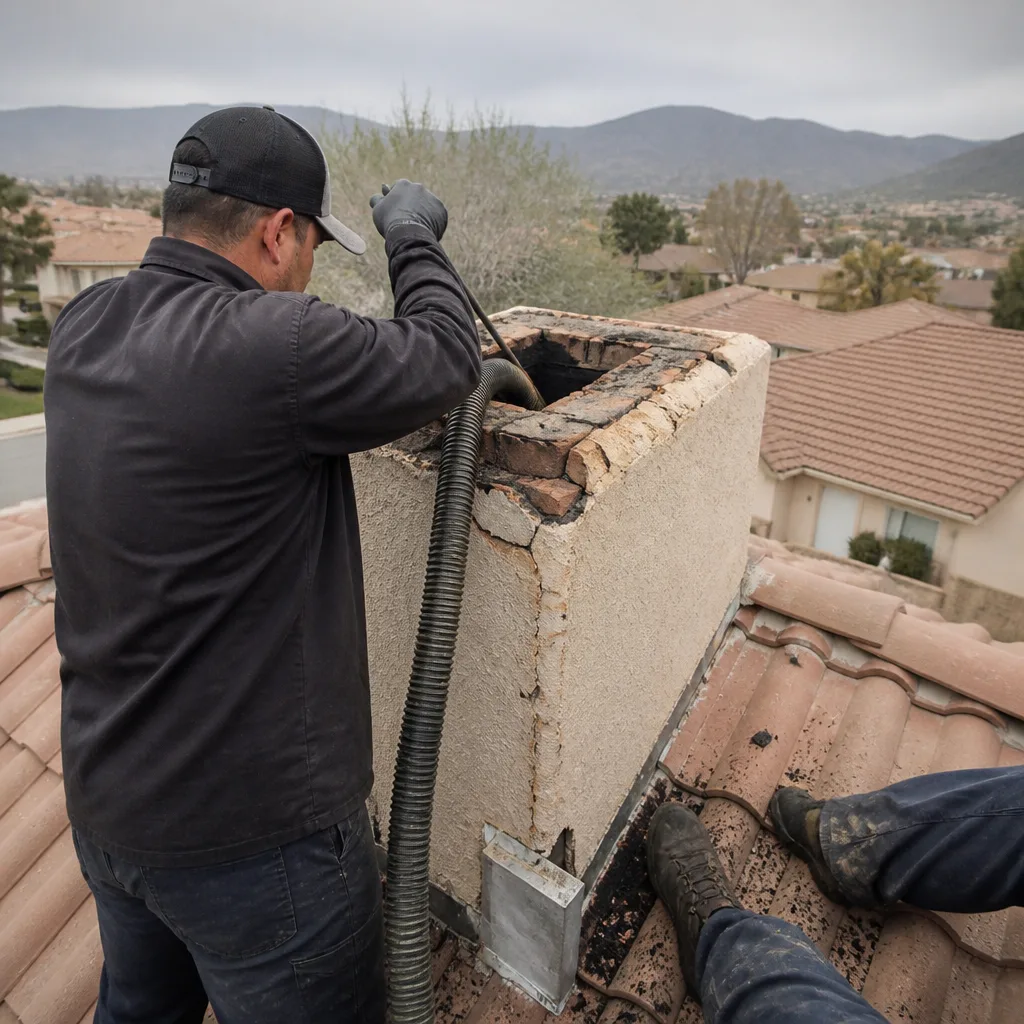 Before
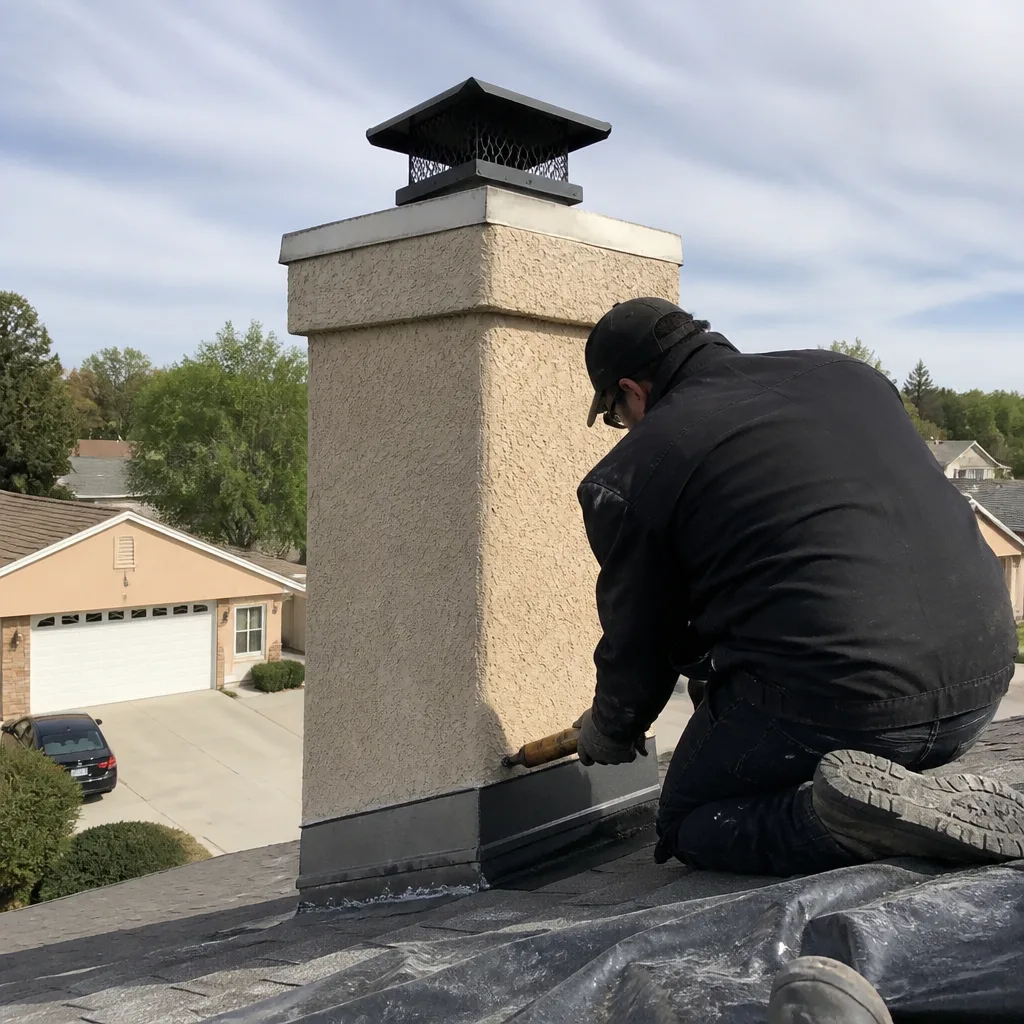 After
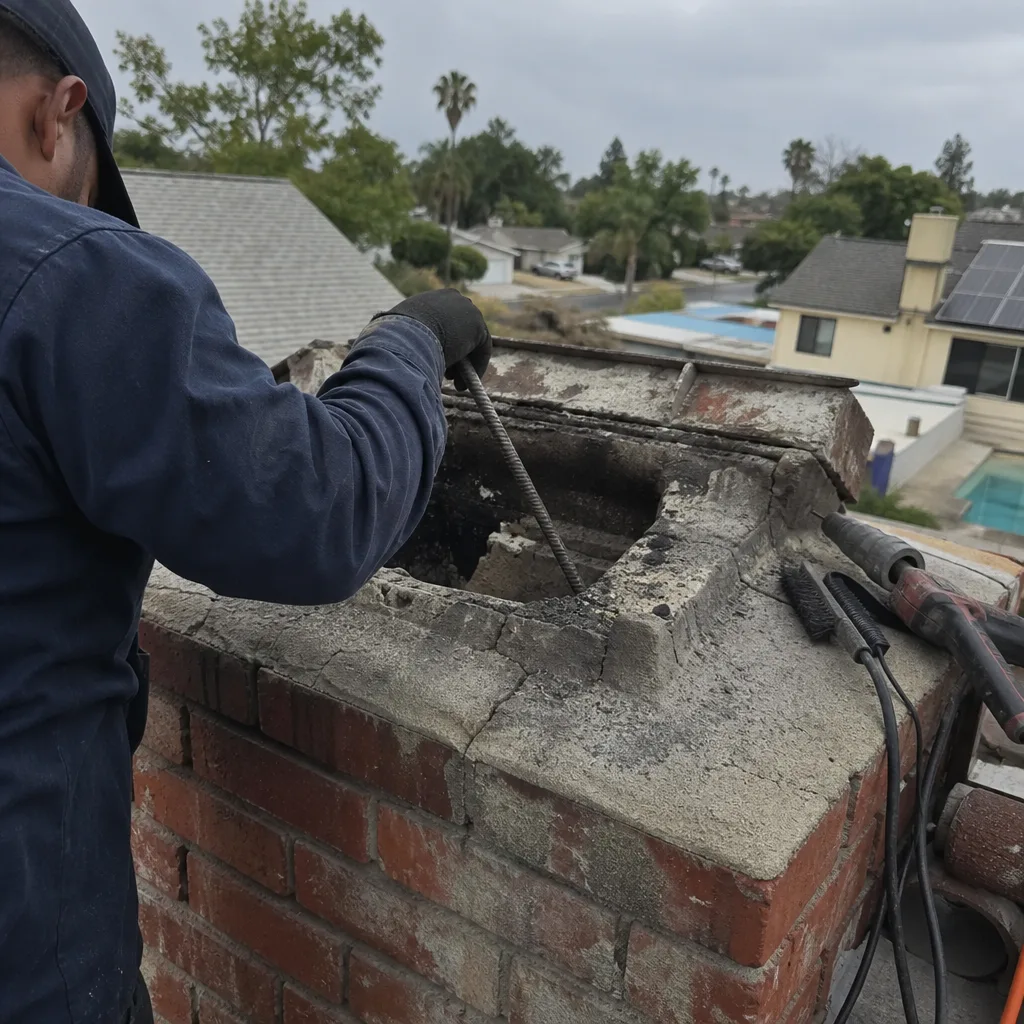 Before
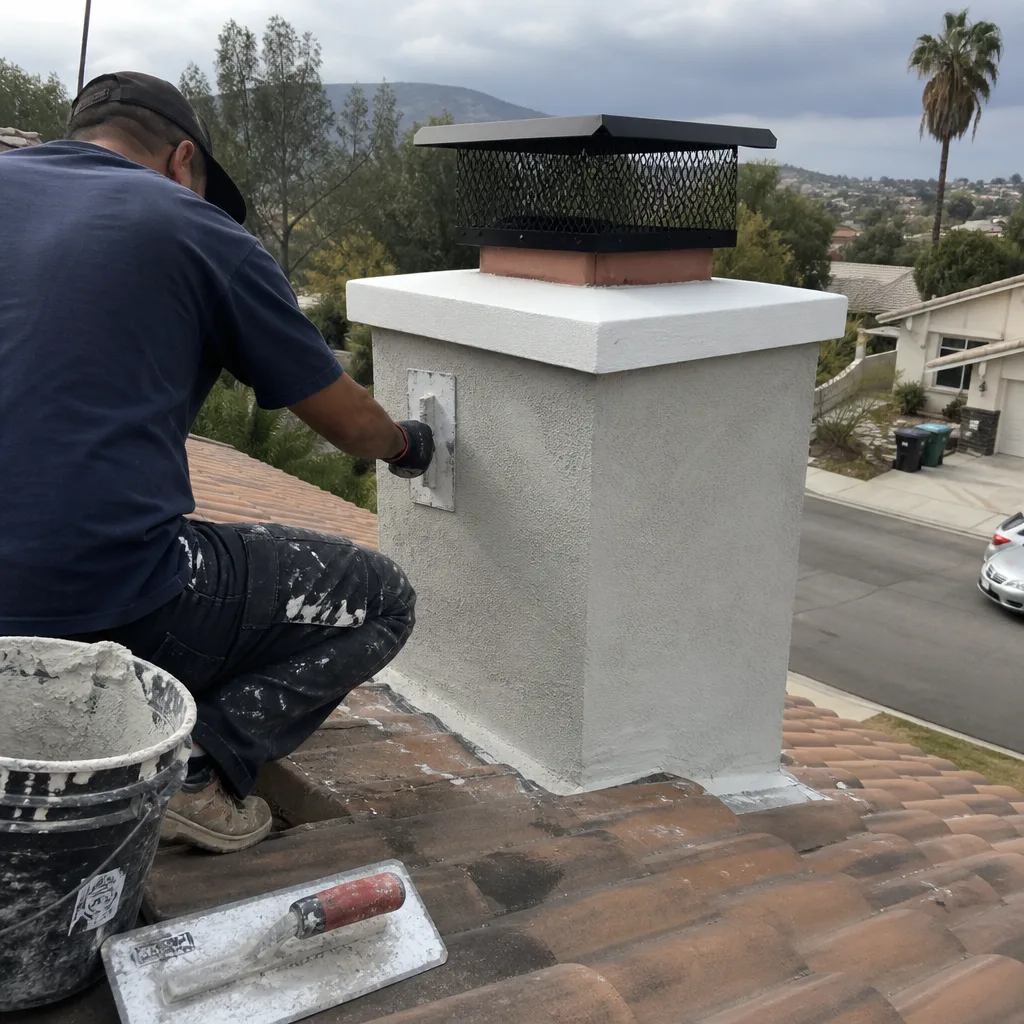 After