Last updated October 30, 2026
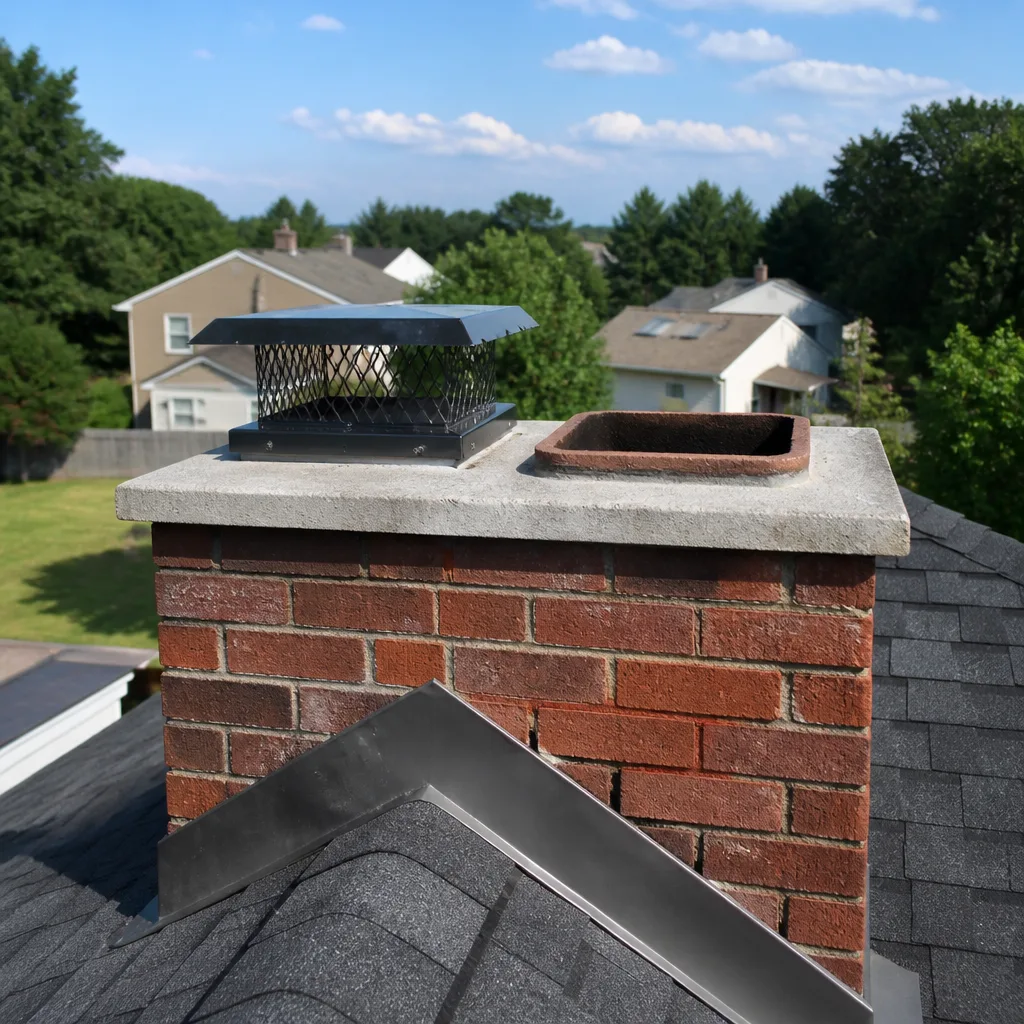 Sweep & inspection
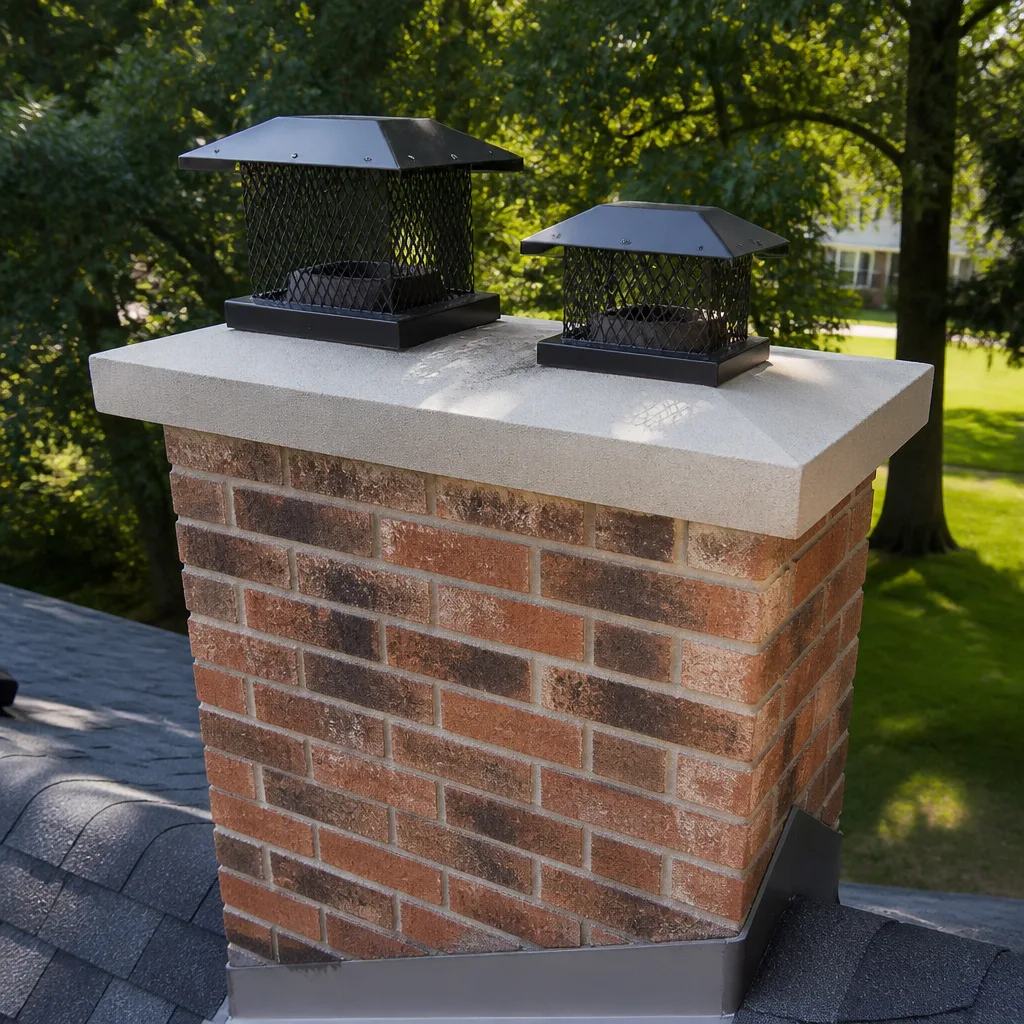 Caps & crowns
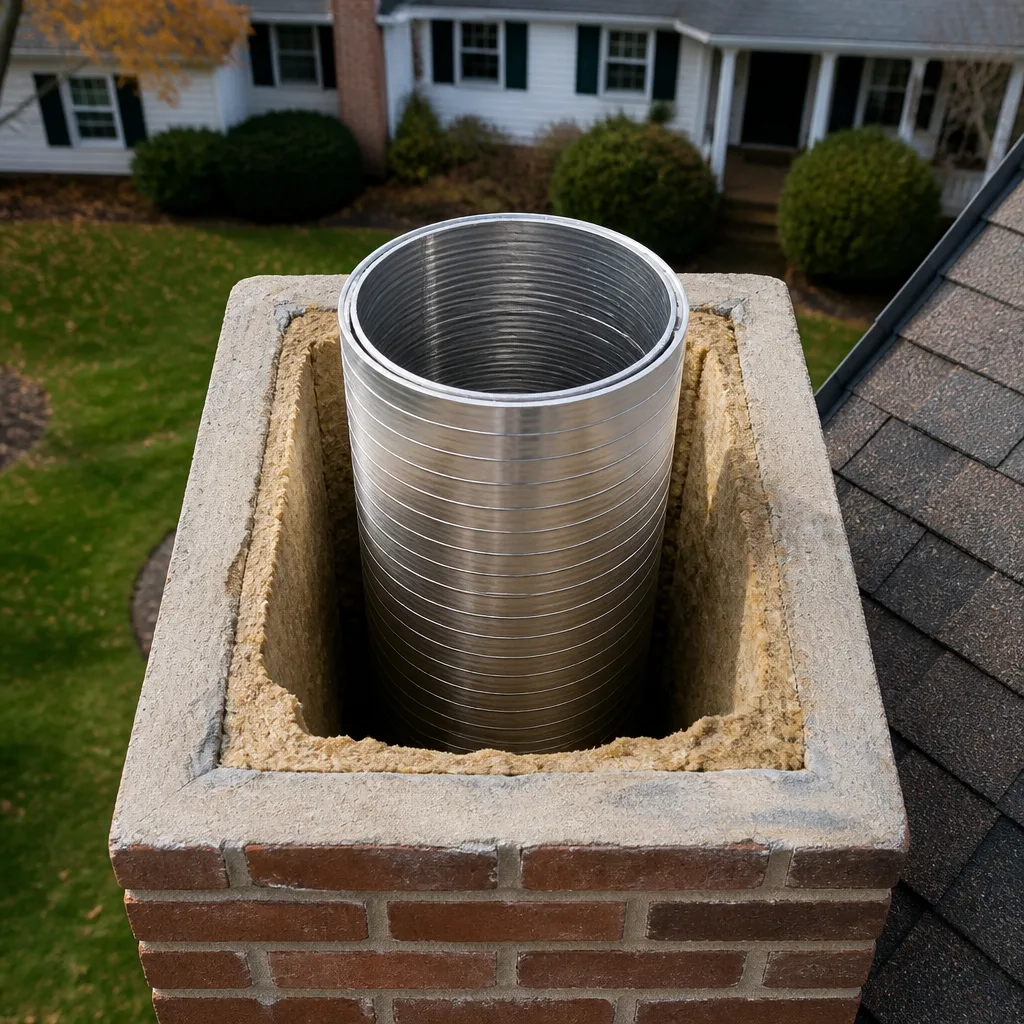 Flue relining
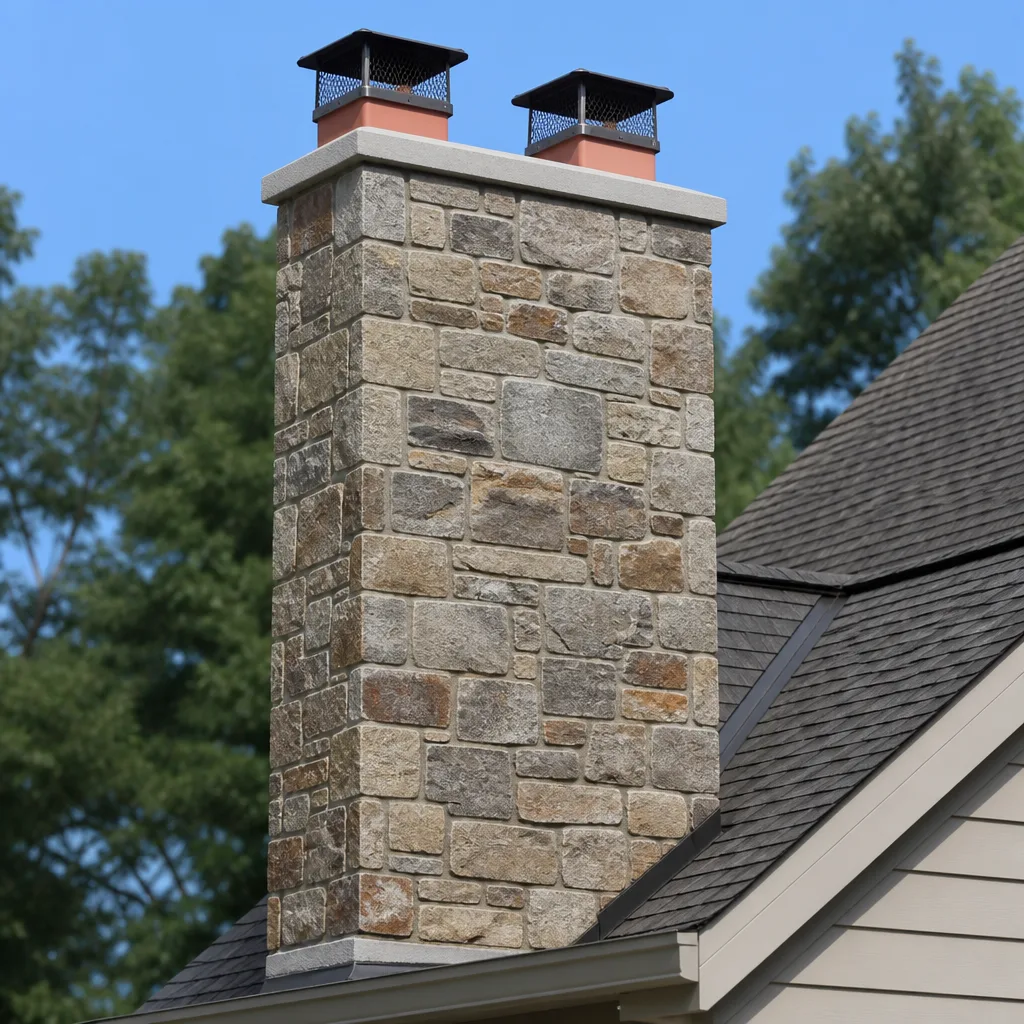 Masonry repair
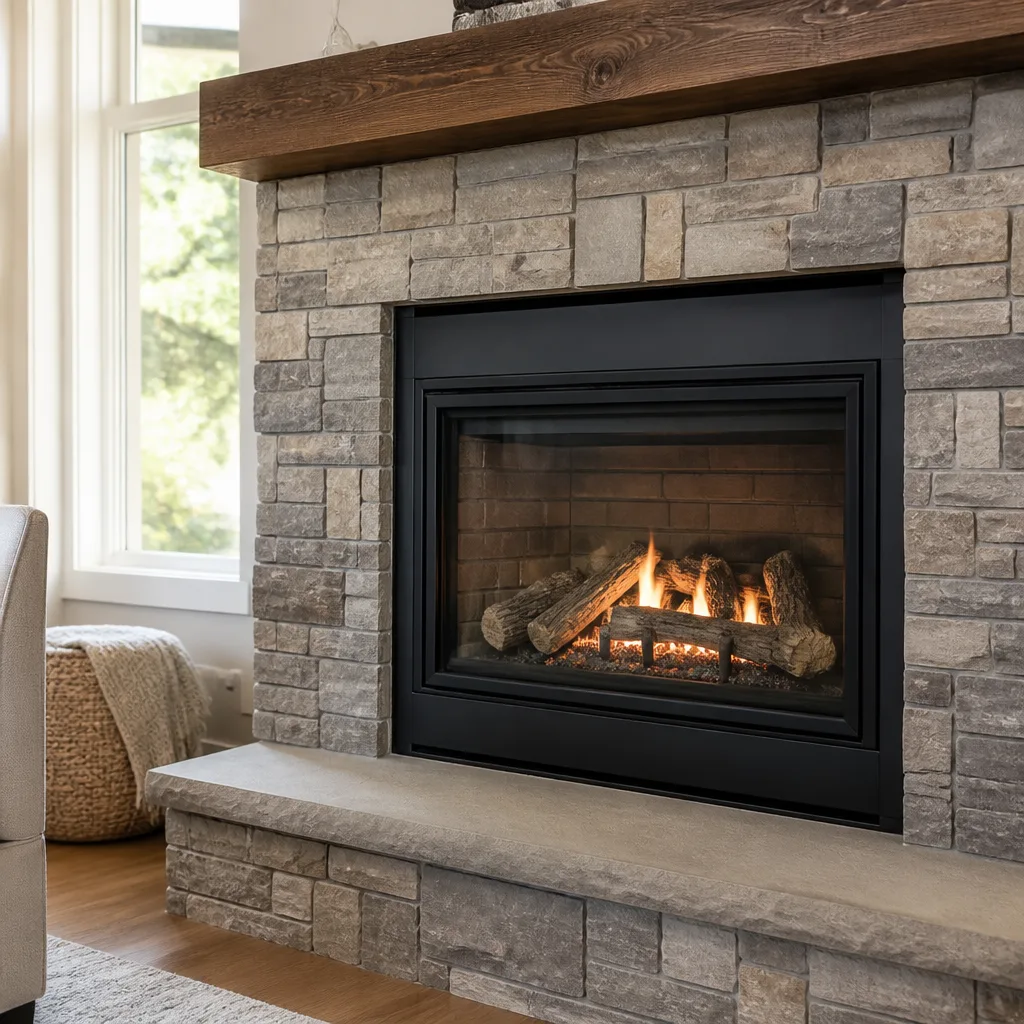 Gas fireplace service
Level 1 sweep and inspection to the NFPA 211 annual standard - flue, crown, cap, and flashing checked and photographed
Chimney sweep logs do not sweep chimneys. They loosen some creosote - which then falls where a brush and vacuum still have to collect it.
Chimney Cleaning Emergency Preparedness Guide for Moreno Valley Homes
During the 2020 wildfire season, embers traveled over a mile from the front lines and dropped into neighborhoods that never received an evacuation warning. Some of those firebrands landed in chimneys that had been dormant for years. A clean firebox in a home with an uncapped or damaged flue offers no protection, because the danger enters from above, not from inside. This guide covers what Moreno Valley homeowners need to know before the next wildfire season, earthquake, or chimney fire, and it treats chimney readiness as part of a broader emergency plan rather than a standalone maintenance checkbox.
Styles & brands we work with
Quick Answer
Chimney emergency preparedness in Moreno Valley means maintaining a properly capped, intact flue with a working spark arrestor, keeping the firebox and smoke chamber free of creosote buildup, knowing what to do in the first 60 seconds of an active chimney fire, and documenting your chimney’s condition so insurance claims and fire department assessments go smoothly. An uncapped chimney is an ember entry point during wildfire events, and earthquake-damaged flues often go unnoticed until a fire makes the damage catastrophic.
Table of Contents
- Why Moreno Valley’s Wildfire Interface Changes Chimney Risk
- What to Do in the First 60 Seconds of a Suspected Chimney Fire
- Assessing Chimney Integrity After an Inland Empire Earthquake
- How an Uncapped or Damaged Chimney Becomes an Ember Entry Point
- Pre-Fire-Season Hardening Steps for Moreno Valley Homes
- Creosote Buildup and Why It Accelerates in the Inland Empire Climate
- Documentation to Have Ready for Fire Department and Insurance Access
- Common Mistakes to Avoid
- When to Call a Professional
- Frequently Asked Questions
- The Bottom Line
Why Moreno Valley’s Wildfire Interface Changes Chimney Risk
Moreno Valley sits at the edge of the wildland-urban interface, where residential streets meet the dry chaparral and grass of the Box Springs Mountain Reserve and the Reche Canyon area to the north. That geography shapes chimney risk in ways that standard maintenance advice ignores. When wind pushes a fire toward the city, it does not arrive as a wall of flame at every home. It arrives as airborne embers, hundreds or thousands at a time, lofted ahead of the main fire front. Those embers settle on roofs, gutters, and directly into uncapped or poorly screened chimneys.
A chimney flue is a vertical shaft with natural draft. That draft pulls air upward during normal use, but during high-wind fire events the same geometry acts as a chimney-top collection point. An ember that drops into a flue lands in the smoke chamber or firebox, where creosote, old nesting material, or accumulated leaf debris becomes kindling. We have seen flues in Moreno Valley homes that had not been used in three or four years contain a half-inch of creosote glaze from prior wood burning and a handful of dried leaves from an uncapped autumn. An ember falling into that environment does not need much to ignite.
What makes the wildfire interface different is the failure mode. A normal chimney fire starts in the firebox and moves up. An ember-initiated fire starts at the top and smolders in debris before spreading. Homeowners who assume a clean, cold firebox means a safe chimney are missing the mechanism entirely. This is also why we recommend an annual Chimney Sweep in Moreno Valley inspection that checks the flue from top to bottom rather than just the visible firebox.
What to Do in the First 60 Seconds of a Suspected Chimney Fire
The signs of an active chimney fire are distinct and loud. A deep rumbling or roaring sound from the flue, similar to a freight train or a low-flying jet, is the most commonly reported indicator. You may also see dense black smoke pushing from the chimney top, flames extending above the chimney crown, or hot embers falling into the firebox. If any of these signs are present, the priority is containment and evacuation, not saving the fireplace.
- Close the fireplace doors or damper if you can do so safely. Cutting off oxygen to the firebox slows combustion. If the damper is already closed or you cannot reach it without putting your face near the firebox, leave it and move to step two.
- Get everyone out of the house. A chimney fire can breach the flue liner and spread into the attic or walls within minutes. Do not wait to see if it subsides. Evacuate and call 911 from outside.
- Do not throw water into the firebox. Water on a hot flue can crack the liner and turn a contained flue fire into a structural fire. This is the most common mistake homeowners make, and it often makes the situation significantly worse.
- Do not attempt to climb on the roof with a hose. Roof access during a fire is dangerous under the best conditions. During a chimney fire, the flue structure may already be compromised, and falling embers create additional risk. Leave this to the fire department.
- Alert neighbors if you live in a dense area. In Moreno Valley neighborhoods like Sunnymead Ranch or the homes east of Moreno Beach Drive, close lot spacing means a chimney fire at one house can spread through radiant heat or flying embers. A quick knock or shout buys time.
After the fire is out, do not use the fireplace again until a professional has inspected the flue. Chimney fires expose liner materials to temperatures far beyond their rated tolerance. Even if the exterior brick looks fine, the flue may have cracked or delaminated. A chimney repair evaluation is the minimum standard before any further burning. We have responded to homes where a chimney fire was extinguished quickly, but the homeowner resumed burning weeks later against a cracked flue liner and started a second, slower fire inside the wall cavity.
Assessing Chimney Integrity After an Inland Empire Earthquake
Moreno Valley sits within 30 miles of the San Jacinto fault zone, and the Inland Empire experiences regular seismic activity that ranges from barely perceptible to structurally meaningful. The problem with chimneys and earthquakes is that damage hides. A masonry chimney can sustain a crack in the flue liner without visible exterior displacement. The brick exterior might look fine while the internal clay tiles have separated at a mortar joint, creating a direct pathway for heat and gases to reach combustible framing.
After any earthquake that you feel strongly enough to question, perform a visual and functional assessment of your chimney from inside the home. Here is what to check, in order of priority:
- Look at the firebox walls. Shine a bright flashlight up from the firebox toward the flue opening. Look for cracked firebrick, displaced sections, or a fine white or gray dust coming from mortar joints. That dust is a sign that bricks shifted against each other during the event.
- Listen for falling debris. Tap the chimney breast on the interior wall with the side of your fist. A hollow, rattling sound or the sound of small particles falling inside the cavity indicates loose material that should not be there.
- Check the damper. If the damper now sticks or does not open and close with the same travel it did before the earthquake, the surrounding masonry may have shifted and pinched the mechanism.
- Inspect the walls and ceiling around the chimney. Fresh diagonal cracks in drywall at the corners where the chimney passes through a ceiling or attic are a warning sign. Small hairline cracks from settling are common in Moreno Valley homes. Diagonal cracks that appear after an earthquake are not.
- Go outside and scan the chimney from the ground. Look for new cracks in the crown, shifted cap, loose bricks at the top courses, or a visible lean. A pair of binoculars helps. Do not climb onto the roof unless you are comfortable doing so and know the roof structure is sound.
If any of these indicators are present, the flue should be evaluated with a camera before the next fire is lit. A Chimney Repair in Moreno Valley that includes a video scan can identify hidden liner separation without destructive investigation. The right materials make the difference in seismic zones. Flex liners like DuraFlex systems are designed to flex with minor building movement, which reduces the risk of cracked rigid clay tiles in future earthquakes. In our experience serving Moreno Valley, older homes with original clay liners are the most vulnerable to this type of hidden damage.
How an Uncapped or Damaged Chimney Becomes an Ember Entry Point
The physics of ember intrusion is straightforward. During wildfire events, especially the Santa Ana wind events that push fire toward the Inland Empire, embers travel horizontally for long distances. A chimney cap with a fine mesh spark arrestor creates a physical barrier that embers cannot pass through. An uncapped chimney, or a cap with a damaged or missing mesh, leaves an open mouth at the highest point of the home, directly above the attic and roof structure.
Once an ember enters the flue, it does not simply fall into the firebox and sit on the brick floor. The draft in a standing chimney pulls air upward even when no fire is burning. That means the ember may be held in suspension, spiraling in the flue, shedding smaller burning particles as it descends. Those particles lodge in the smoke chamber, on the smoke shelf, or in creosote deposits along the flue walls. If any of those deposits contain enough unburned fuel, ignition follows.
We also see a secondary risk in Moreno Valley that gets less attention: dryer vents and other sidewall openings facing the wildland interface. But for the chimney specifically, the solution is a correctly fitted cap. The cap itself matters less than the fit and the mesh. A universal cap that sits loosely on the flue tile can be dislodged by high winds. The mesh on the arrestor must be small enough to exclude embers but not so tight that it clogs with creosote or bird nesting. In our assessment, the cap replacement becomes the single highest-value hardening step for homes in the Moreno Valley foothills and along the north side of the city near Box Springs.
For homeowners who want to understand what is currently protecting their flue, we always begin with a top-down camera inspection. Without visual access to the flue interior and the cap condition, a homeowner is making decisions blind. That is not an acceptable position in a wildfire interface zone. Mantel Chimney Sweep home services include chimney sweeping, repair, and dryer vent cleaning, specifically because these three systems share a common failure mode: an ember or heat source meeting accumulated fuel in a confined space.
Pre-Fire-Season Hardening Steps for Moreno Valley Homes
Wildfire season in Moreno Valley no longer follows a predictable calendar. The traditional late-summer and autumn window has expanded, and fire weather can arrive as early as April and persist into December. The practical approach is to treat pre-fire-season hardening as a year-round baseline with a focused checklist completed before the first red flag warning of the season.
- Schedule a Chimney Sweep in Moreno Valley that includes a camera inspection and cap check. This is not the same as a sweep that only brushes the flue and quotes a price over the phone. The cap, the crown, and the liner all need verification.
- Verify that the spark arrestor mesh is intact and properly sized. Bent, rusted, or missing mesh is a common find on Moreno Valley homes with older galvanized caps. Stainless steel caps hold up significantly better to the Inland Empire sun and wind.
- Clear the roof and gutters within 10 feet of the chimney of dried leaves and pine needles. An ember that lands in a gutter full of dry debris leads fire directly to the roofline and chimney chase. This is often the most neglected step in local preparation.
- Inspect the chimney chase on manufactured homes and neighborhood developments where pre-fab fireplaces are standard. The chase top and siding must be intact. Any opening, even a small gap where siding meets trim, is an ember pathway into the wall cavity.
- Consider a liner upgrade if the existing clay tiles are cracked or separated. We have installed full DuraFlex flexible stainless steel liners in Moreno Valley homes where the original clay liner had failed due to age, past chimney fires, or earthquake movement. The liner restoration route matters, and for flue rehabilitation HeatShield cerfractory sealant offers a middle option between a sweep and a full replacement when the damage is limited to minor cracks and gaps.
- Clean the Dryer Vent Cleaning in Moreno Valley system. Dryer vents are the single most common residential fire vector in the United States, and the connection between wildfire season hardening and dryer vent safety is not as distant as it sounds. A home that is already hardened against one fire risk should not carry an avoidable lint fire waiting to happen.
These steps are not one-time actions. They form a recurring cycle, and the seasonality in Moreno Valley demands that the cycle complete before the first sustained Santa Ana event arrives. Waiting until smoke is visible on the horizon is too late.
Creosote Buildup and Why It Accelerates in the Inland Empire Climate
Creosote is the flammable residue that condenses inside a chimney flue when wood smoke cools before reaching the chimney top. The rate of creosote deposition depends on several factors: the type of wood burned, the moisture content of that wood, the temperature of the fire, and the temperature of the flue itself. Moreno Valley’s climate accelerates creosote formation in a way that surprises homeowners who move here from coastal or cooler regions.
The Inland Empire experiences hot days, cool nights, and a dry atmosphere. Those conditions create wide temperature swings in an exterior masonry chimney. A chimney that sits cold all night and then is heated quickly by a morning fire cycles through thermal expansion and contraction. Creosote glaze, the dense, shiny, tar-like form that bakes onto flue walls, develops faster in chimneys that cycle hot and cold repeatedly. In our experience, flues in Moreno Valley develop glossy stage-two creosote faster than flues in coastal communities with more consistent overnight temperatures.
What homeowners burn matters equally. The convenience stores and firewood dealers around Moreno Valley offer a range of wood products, and much of the locally available firewood is delivered at moisture levels well above the 20 percent maximum that the pros recommend. Green wood produces cooler smoke, which condenses faster and deposits more creosote per cord burned. This is not a niche concern. Burning unseasoned wood in a cold flue is the fastest route to a dangerous creosote accumulation, and we see it repeatedly in homes along Alessandro Boulevard and throughout the eastern stretches of the city where firewood is the primary heating supplement.
There is no DIY shortcut to removing stage-two or stage-three creosote glaze. Brushes sold at home improvement stores remove loose soot, not baked-on glaze. A professional sweep includes mechanical removal with rotary equipment designed for the job, and the same visit should include a camera check to confirm no residual buildup in the smoke chamber or on the smoke shelf. Skipping this step and assuming the flue is clean because the visible firebox looks fine is how chimney fires start.
Documentation to Have Ready for Fire Department and Insurance Access
After a chimney-related incident, whether it is a chimney fire, an earthquake-damaged flue, or an ember intrusion during a wildfire event, documentation becomes the difference between a smooth process and a prolonged dispute. Insurance adjusters and fire department investigators work from evidence, and memory plus verbal description carries little weight. We recommend that every Moreno Valley homeowner maintain a chimney file with the following records, updated annually.
- The most recent sweep and inspection report. This should include photos from the camera inspection, flue measurements, and any noted deficiencies. A dated, written record that the flue was professionally maintained immediately before an incident is the strongest single piece of evidence for a homeowner.
- Photos of the chimney exterior, cap, and crown from the most recent inspection. Date-stamped photos establish a baseline. If an earthquake shifts the chimney or a wind event damages the cap later, the before photos show the change.
- Any repair invoices or materials documentation. If work was performed, the invoice should list the materials used. A flue restored with HeatShield cerfractory sealant or relined with a DuraFlex system has a paper trail that validates the repair standard.
- The fireplace and chimney location relative to defensible space documentation. Photos of cleared gutters, trimmed vegetation near the home, and a maintained chimney cap all support the homeowner’s position that the property met reasonable defensible-space expectations.
- Contact information for the chimney professional who performed the work. Adjusters sometimes want to verify the inspection or ask about specific findings. A professional who answers the phone and can explain their camera findings is an asset during a claim.
This file takes an afternoon to assemble and a few minutes to update after each service. For homeowners in the Moreno Valley wildland-urban interface, where wildfire-related claims already face additional scrutiny, this documentation can mean the difference between an accepted claim and a drawn-out denial. We prepare every inspection with this reality in mind, and we document what we see without romanticizing or minimizing.
Common Mistakes to Avoid
- Assuming a clean firebox means a safe chimney. The firebox is the part you can see. The flue, smoke chamber, and chimney cap are the parts that matter, and they can all be compromised while the firebox looks pristine.
- Throwing water onto an active chimney fire. Thermal shock cracks flue liners and turns a contained fire into a spreading one. The correct response is evacuation and a call to 911, not a bucket from the sink.
- Delaying a flue camera inspection after an earthquake. Moreno Valley homeowners routinely report feeling earthquakes that do not cause visible damage. The flue liner can crack where no one can see it, and the next fire becomes the discovery mechanism.
- Operating without a cap or with a damaged spark arrestor. An uncapped chimney in a wildfire interface zone is an open invitation to an ember you will not see until smoke starts pouring from the roofline.
- Burning unseasoned wood because it was cheaper or convenient. Green wood costs more in creosote accumulation and fire risk than it saves at the wood lot. The math does not work in the homeowner’s favor over a full burning season.
- Treating chimney maintenance and dryer vent cleaning as separate priorities. Both systems fail in the same way: accumulated fuel meets an ignition source. A homeowner who sweeps the flue annually but ignores a packed dryer vent has not actually reduced their fire risk. We offer both services because the fire physics do not respect the distinction.
When to Call a Professional
Any suspected chimney fire, obvious earthquake damage, or visible cap failure warrants a professional inspection before the next burn. If you have never had a camera inspection of your flue, that alone is a reason to schedule one. If you are buying a home in Moreno Valley with an existing fireplace, include a chimney evaluation in your due diligence, because the previous owner’s maintenance habits are not your protection. And if your fireplace has not been used in years but has sat uncapped through multiple wildfire seasons, there may be debris in the flue that you cannot see and should not ignore. Mantel Chimney Sweep offers free estimates in Moreno Valley. Call (844) 821-5749 to schedule an inspection and talk through what we find.
Frequently Asked Questions
Once per year is the minimum for any chimney that sees regular use, and twice per year may be appropriate for homes that burn unseasoned wood or use the fireplace as a primary heat source. Moreno Valley’s hot-to-cold temperature swings accelerate creosote glazing, so a schedule that works in a coastal climate may not be sufficient here. A camera inspection confirms whether the flue is clean, regardless of the calendar.
A chimney cap with an intact spark arrestor keeps embers, birds, rodents, and rain out of the flue. During a wildfire event, the ember exclusion function is the most important safety feature. Without a cap, the chimney becomes a collection point for airborne firebrands. Without the mesh, birds build nests in the smoke chamber, and that nesting material is dried fuel waiting for a spark.
It depends entirely on what the camera finds. Minor cracking and surface damage can sometimes be addressed with HeatShield cerfractory sealant, which restores the flue without a full replacement. Significant separation or multiple failed tiles usually require a full reline, and flexible stainless steel systems like DuraFlex are suited to Moreno Valley’s seismic conditions because they flex with building movement instead of cracking like rigid clay tiles. No reputable recommendation happens without camera evidence, because the interior of the flue is the only thing that matters.
The flue accumulates creosote, and creosote is unburned fuel bonded to the flue wall. Under the right conditions, that fuel ignites, creating a chimney fire that burns at temperatures high enough to crack clay liners and spread into the surrounding structure. The fire department puts out what it can reach. The damage that matters may already be sealed inside the wall cavity. You will not know until the next fire or the next inspection.
The connection is fire physics. A clogged dryer vent and a dirty chimney both fail when combustible material in a confined exhaust pathway meets a heat source. Lint buildup in a dryer vent is a leading cause of residential fires in the United States, and a Dryer Vent Cleaning in Moreno Valley that clears the full duct run addresses a hazard that no chimney sweep can. We treat both systems because homeowners who care about one fire risk usually do not want to leave the other unaddressed.
You cannot know from a visual exterior check alone. The flue liner can crack invisibly, and the only reliable method is a camera inspection that views the entire liner from top to bottom. We use the camera on every sweep because it turns a guess into a documented record. After any meaningful seismic event in Moreno Valley, the camera inspection is the step that confirms whether the system is safe or whether repair work is needed before the next burn.
The Bottom Line
Chimney emergency preparedness in Moreno Valley is not a single task. It is a standing set of habits: keep the flue swept and camera-inspected, keep the cap and spark arrestor intact, document every service, know what a chimney fire sounds like, and know what to check after an earthquake. The same dry winds that push wildfire embers into Inland Empire neighborhoods also carry the heat that makes a neglected flue dangerous. A clean chimney is a prepared chimney, and repair expertise is what separates a house that survives the next emergency from one that becomes part of the story. If you own a fireplace in Moreno Valley and have not had a professional look at the flue recently, now is the time to make the call.
Written by the team at Mantel Chimney Sweep, serving Moreno Valley since 2018.
See the difference
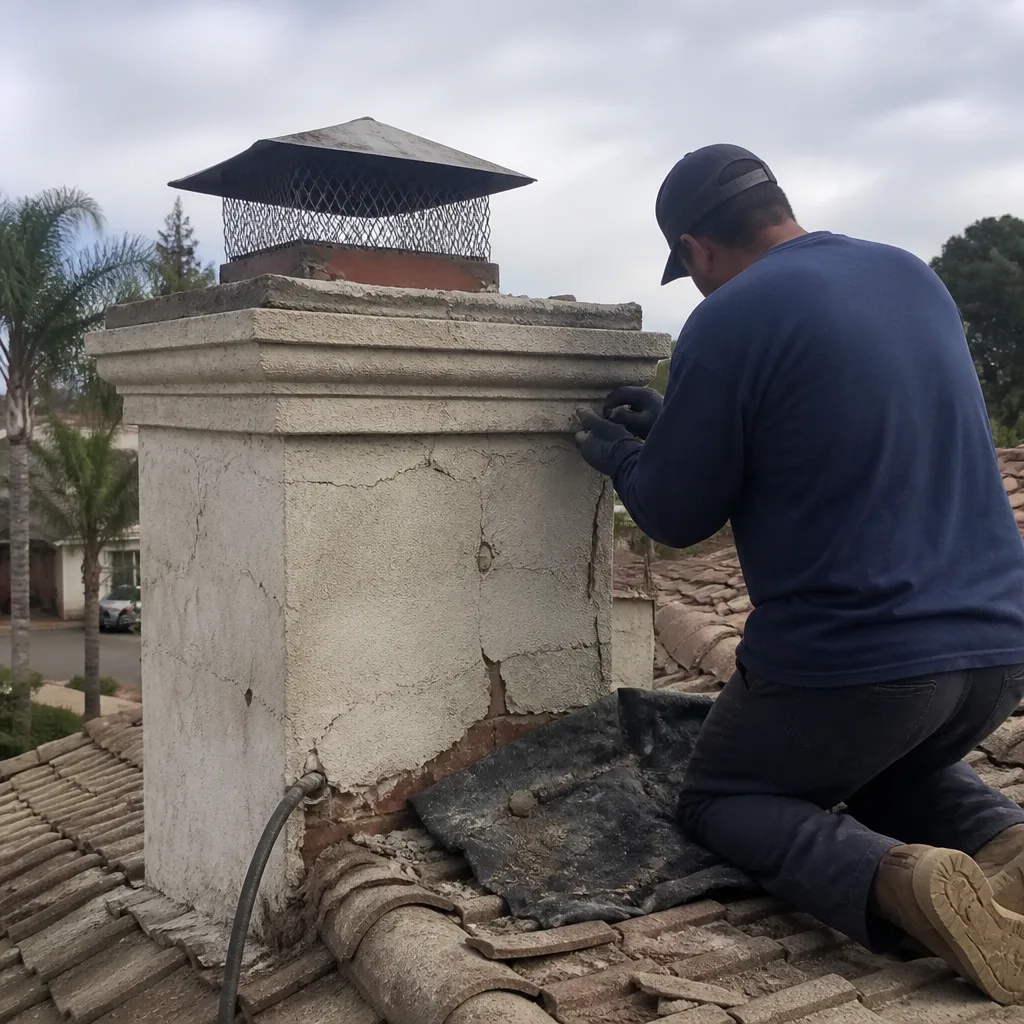 Before
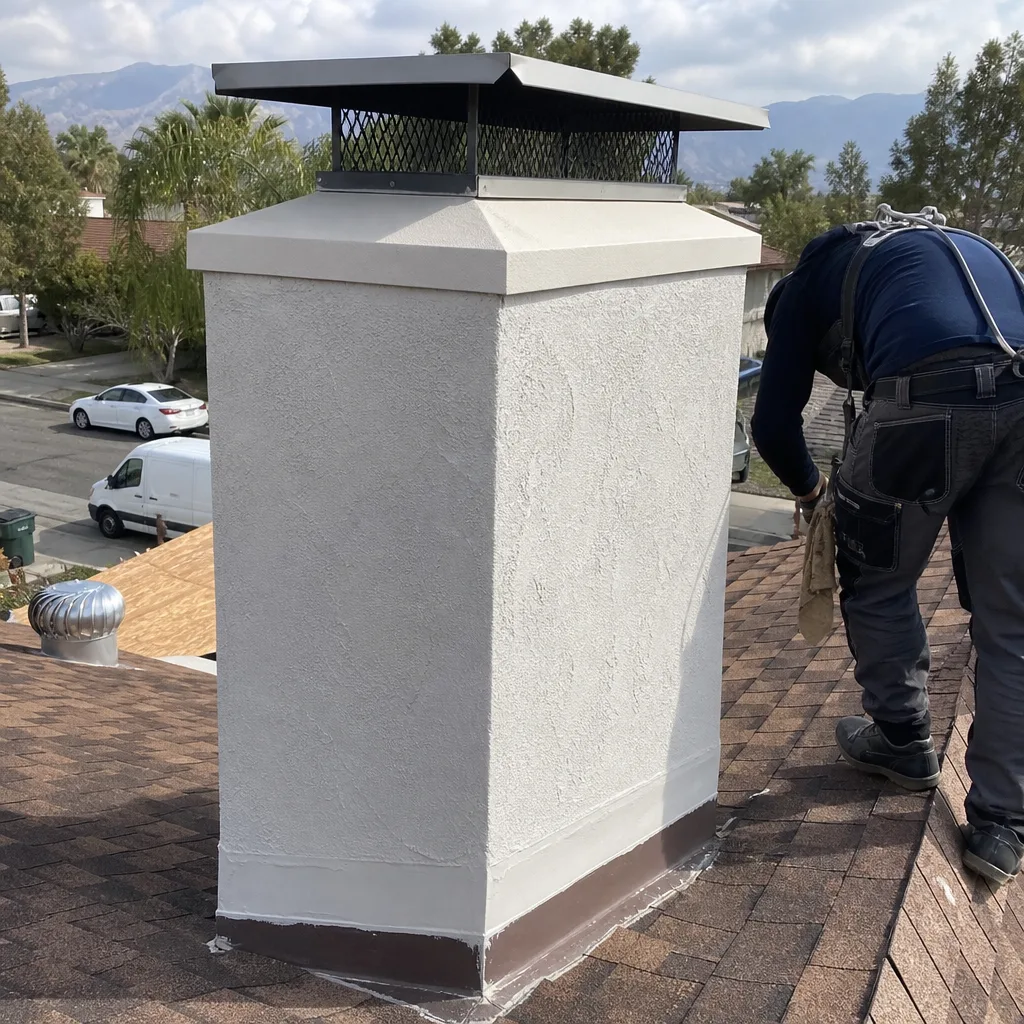 After
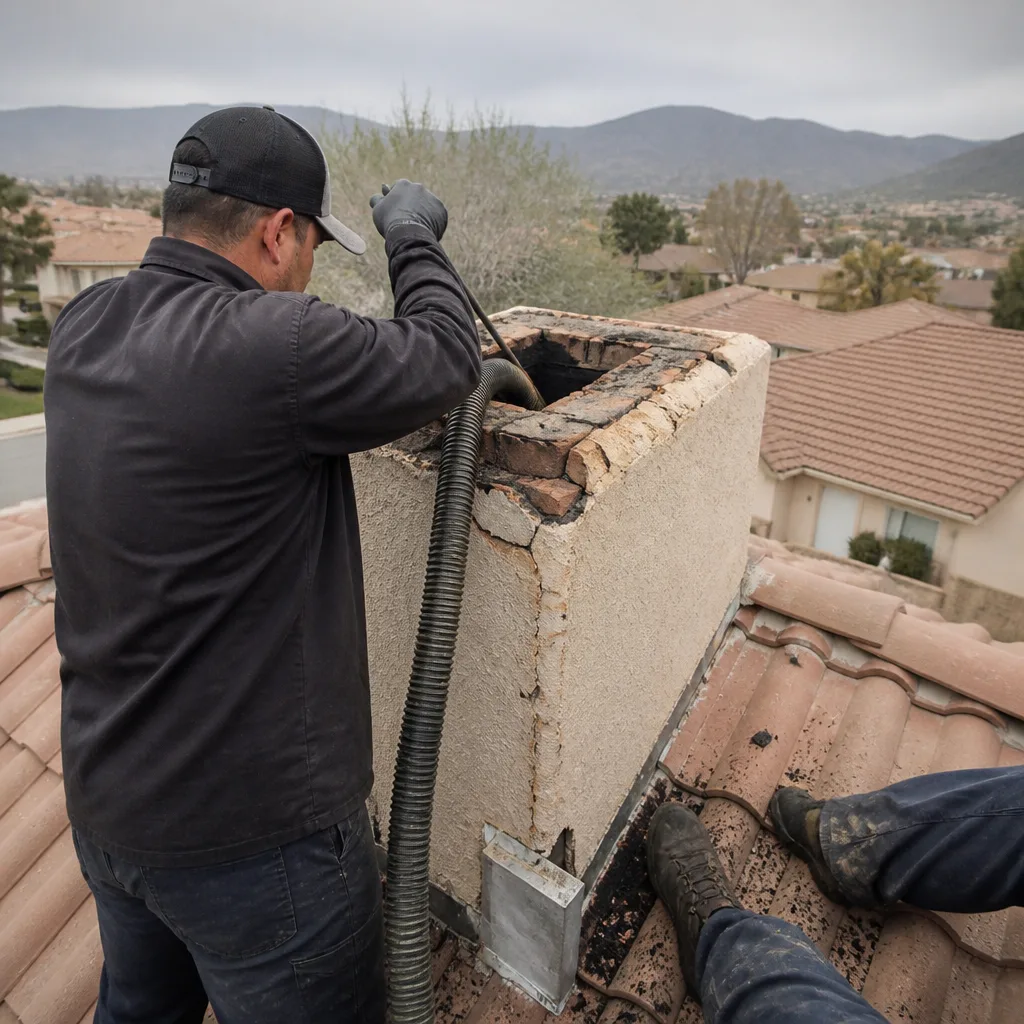 Before
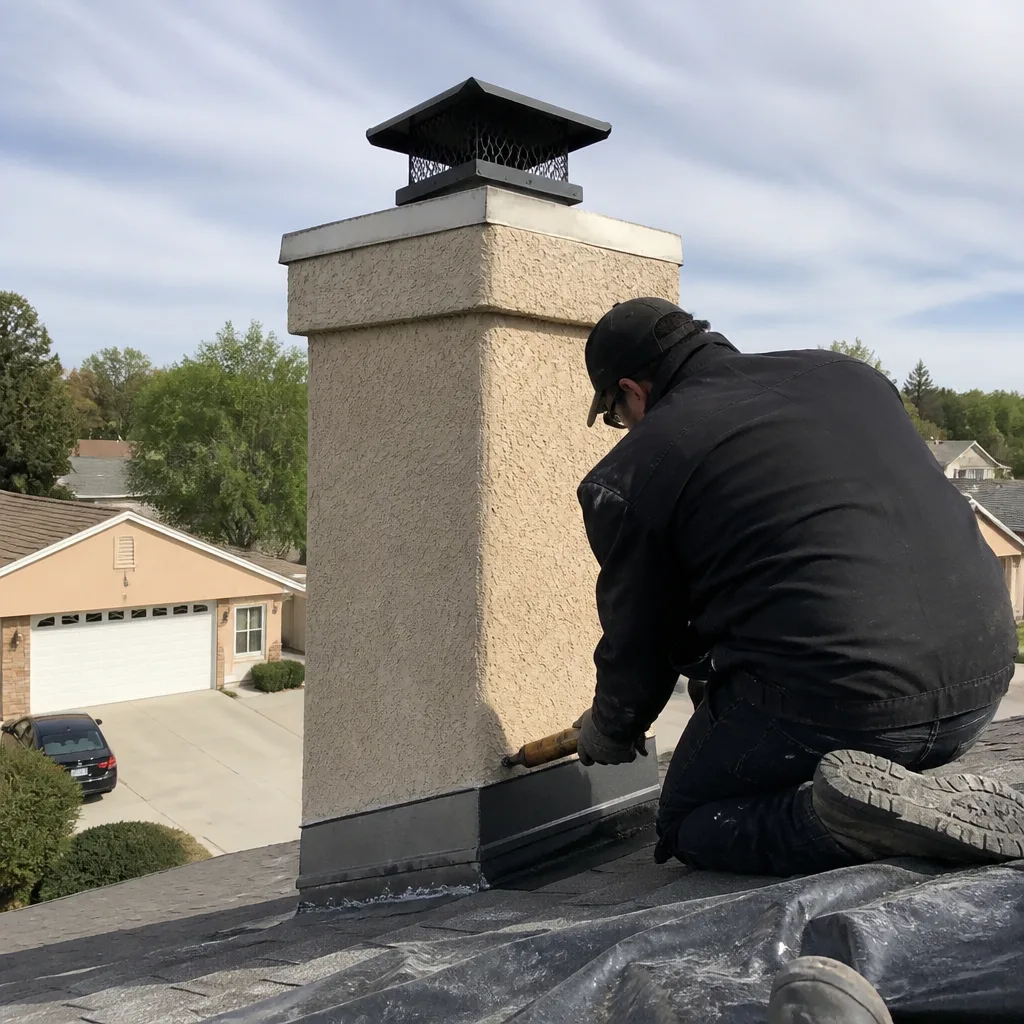 After
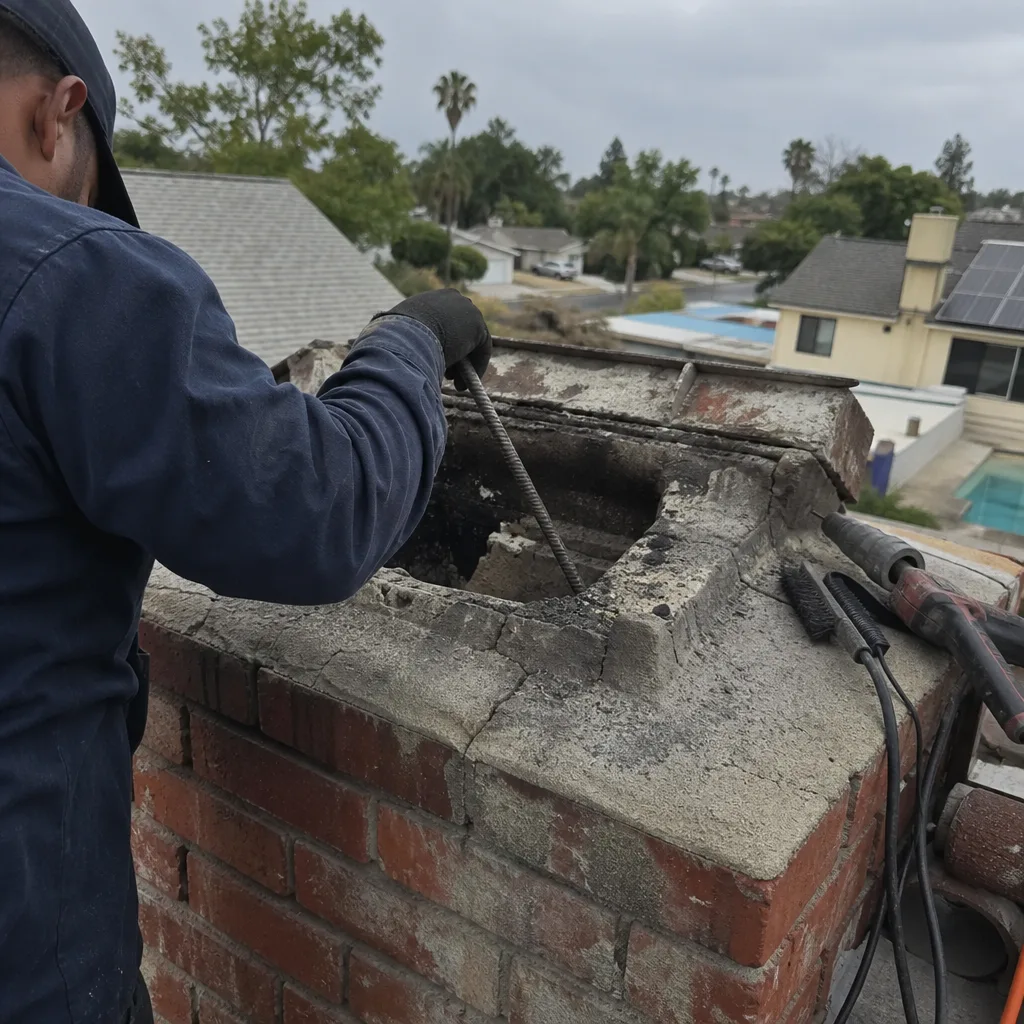 Before
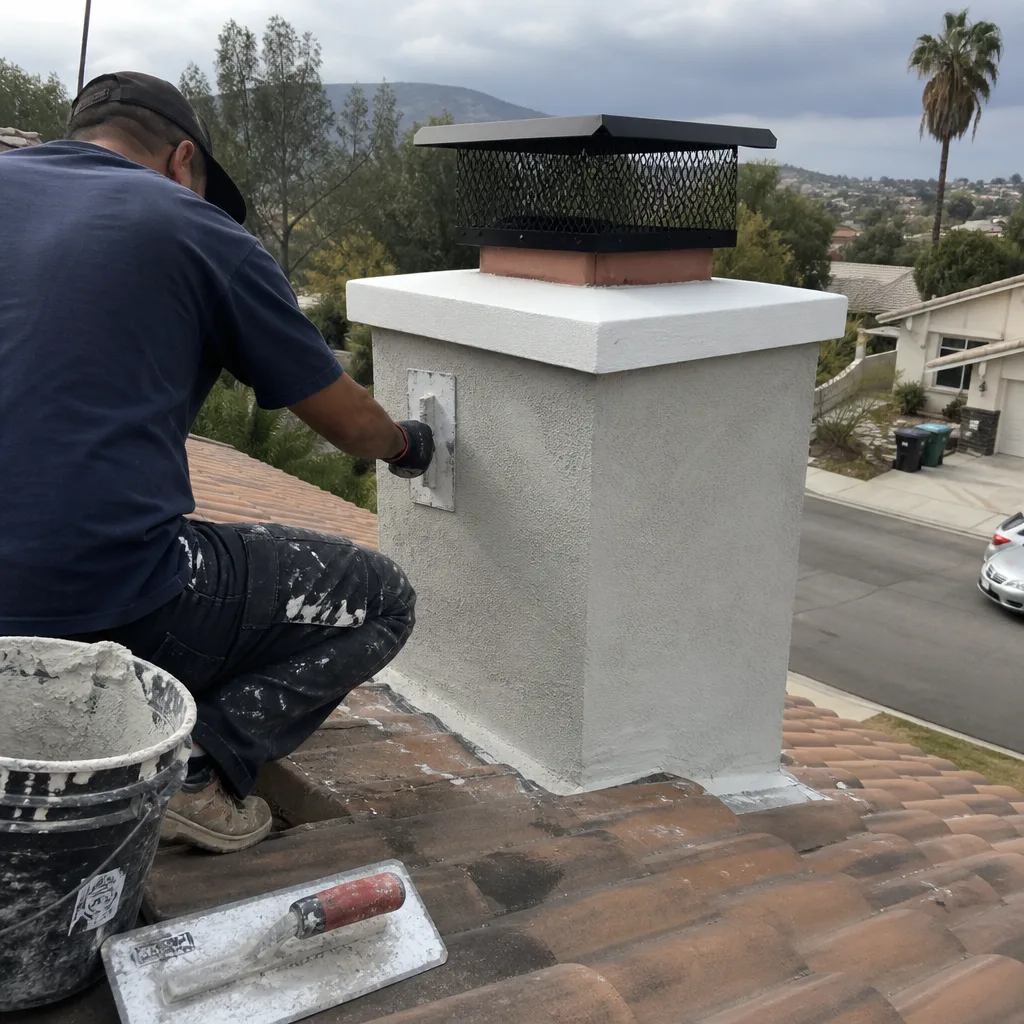 After