Last updated October 30, 2026
 Sweep & inspection
 Caps & crowns
 Flue relining
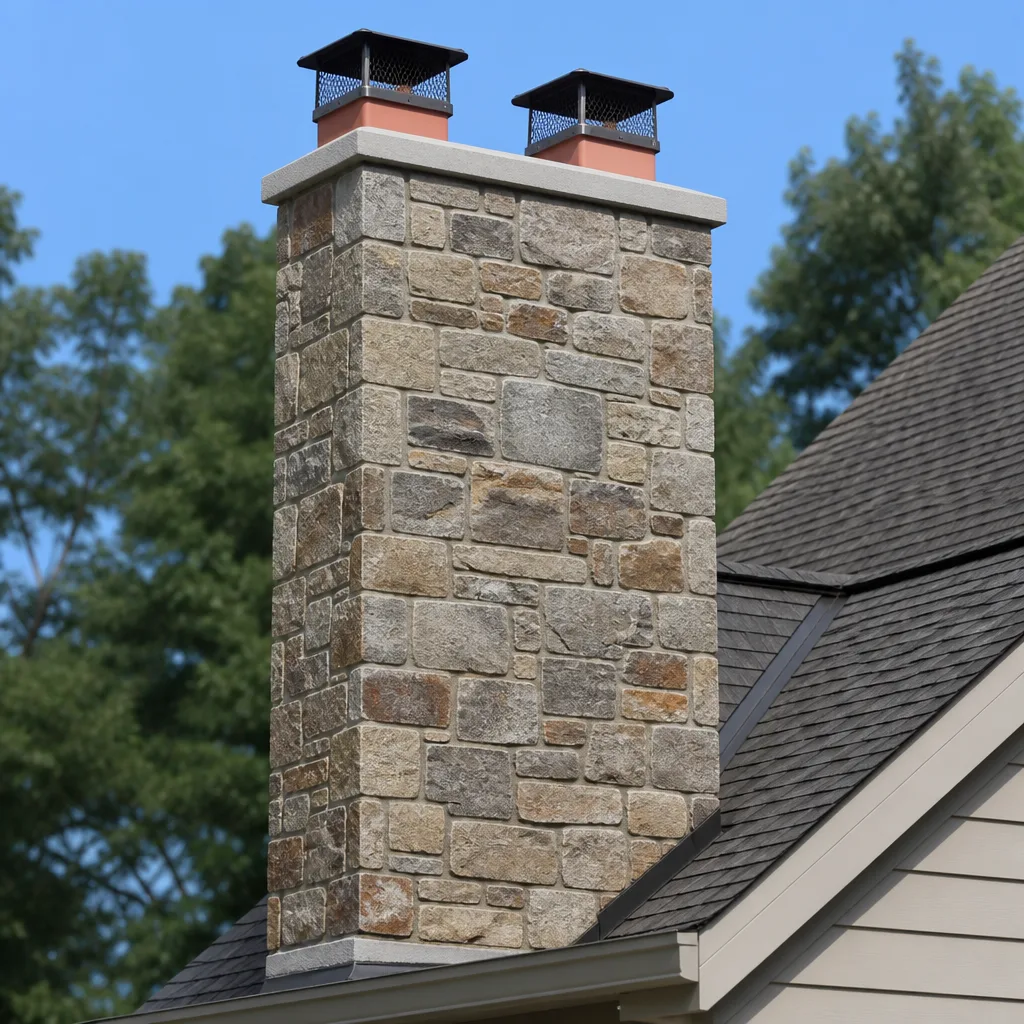 Masonry repair
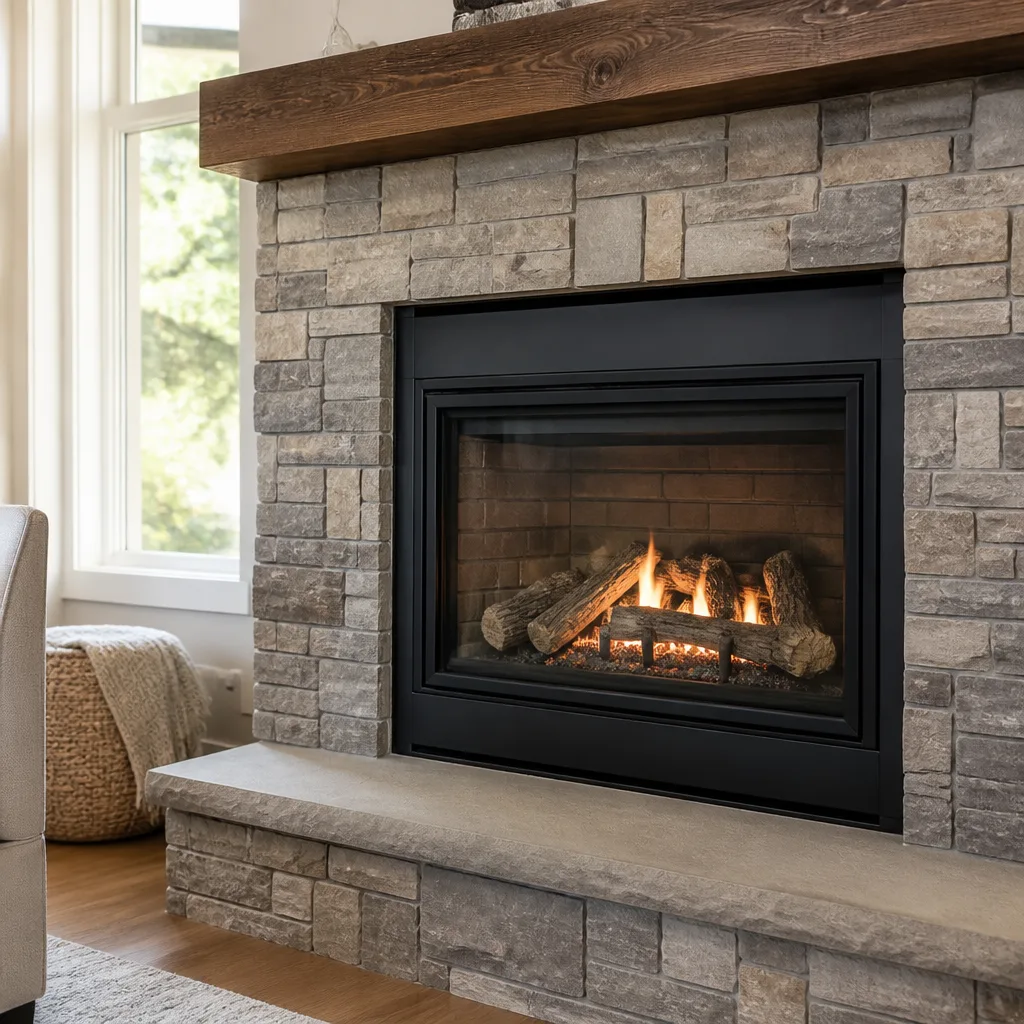 Gas fireplace service
Level 1 sweep and inspection to the NFPA 211 annual standard - flue, crown, cap, and flashing checked and photographed
Chimney sweep logs do not sweep chimneys. They loosen some creosote - which then falls where a brush and vacuum still have to collect it.
Chimney Sweep Troubleshooting: Common Problems and How to Fix Them
A chimney that smells like a campfire in July when you haven’t lit a fire since February isn’t just unpleasant. It’s a sign your flue is pulling outside air the wrong direction, and that same airflow problem will feed a fire event if conditions are right. Most homeowners in Moreno Valley only think about their chimney when something visibly fails: smoke in the living room, water stains on the ceiling, a flake of creosote on the hearth. But by the time a chimney announces itself that loudly, the repair bill has usually doubled. This guide walks through the symptoms we see most often, what each one actually means, and which fixes are simple enough to monitor versus which ones need a professional before the next fire.
Styles & brands we work with
Quick Answer
Chimney problems fall into predictable categories: draft failures (smoke rollback, downdrafts, summer odors), moisture intrusion (crown cracks, cap gaps, flashing failures), creosote buildup (slow-burning fires, black flakes, strong campfire smell), and structural deterioration (liner cracks, spalling brick, mortar erosion). The fix that lasts is the one that addresses the mechanical or structural cause behind the symptom, not the symptom itself. Patching a smoke problem by opening a window works for one fire, but a cracked flue liner behind that symptom will keep degrading until it becomes a fire hazard or a carbon monoxide risk. If you’re seeing any of the symptoms below, start with the section that matches what you’re noticing, then work through the related checks in order.
Table of Contents
- Smoke Rollback vs. Downdraft: Different Causes, Different Fixes
- Why Your Chimney Smells Like a Campfire in July
- How to Read Firebox Staining Patterns
- Creosote Buildup: The Slow-Burn Problem
- Water Damage: Crowns, Caps, and Flashing
- Liner Cracks and Deterioration: When Cleaning Isn’t Enough
- Monitor vs. Call: A Simple Decision Tree
- Common Mistakes to Avoid
- When to Call a Professional
- Frequently Asked Questions
- The Bottom Line
Smoke Rollback vs. Downdraft: Different Causes, Different Fixes
When smoke comes back into the room instead of going up the flue, homeowners in Moreno Valley usually describe it one of two ways: “smoke rolls back out the fireplace opening” or “smoke comes down the chimney.” These sound like the same problem but they are not. Smoke rollback usually means the chimney isn’t drafting strongly enough to pull smoke up and out. Downdraft means air is actively pushing smoke back down the flue. The distinction matters because the fixes are completely different.
Smoke rollback happens when the flue gases can’t overcome the pressure in the room. The most common causes: a cold flue on a cold start, a damper that isn’t fully open, a flue that’s too short for the firebox opening, or a home that’s sealed too tightly for replacement air to enter. In Moreno Valley, many homes built in the last 15 years are tighter than older ones, with double-pane windows, weather-stripped doors, and ridge vents. That’s good for air conditioning bills, but it means a fireplace can starve for combustion air. The fireplace pulls air from inside the house, and if the house can’t replace that air fast enough, the room goes negative and the chimney loses its draw. The diagnostic step: open a window an inch and see if the smoke corrects. If it does, the problem is the room, not the flue.
Downdraft is different. It’s driven by outside forces: wind hitting the chimney at certain angles, a chimney that terminates too close to a taller roof plane, or a missing or wrong-sized cap. Wind flowing over the top of a chimney can create a low-pressure zone that pulls flue gases downward. The fix is mechanical, not behavioral: a properly sized cap, a taller flue extension, or in some cases a draft-inducing cap. We see this in Moreno Valley’s windier months, especially in neighborhoods where rooflines are irregular and a chimney sits in a wind shadow.
What you can do: Check the damper is fully open. Open a window near the fireplace. Try a different firewood arrangement, small kindling first. If the problem persists, the next step is a professional evaluation of flue height, cap condition, and the home’s pressure balance.
What a sweep does: Measures draft under fire conditions, inspects the cap, checks flue height against code, and tests whether the house is going negative. This is part of a standard chimney sweep visit at Chimney Sweep in Moreno Valley. The fix might be as simple as a new cap or as involved as a flue extension, but the diagnosis is the first step.
Why Your Chimney Smells Like a Campfire in July
Creosote odor in summer is one of the most common complaints we hear in Moreno Valley when temperatures climb and the air conditioning runs. The smell isn’t coming from an active fire because there isn’t one. It’s coming from the creosote deposits inside the flue, which volatilize slightly in heat and release that sharp, tar-like campfire smell. But the smell usually doesn’t come into the house unless something is pulling it in.
That something is usually negative air pressure. When your house gets warmer than the outside air, or when exhaust fans, a clothes dryer, or a bathroom fan run, the house can drop below the pressure of the air outside. That makes the chimney act like a fresh-air intake: outside air gets pulled down the flue, across the creosote deposits, and into the living space. The smell is creosote, but the cause is pressure imbalance. A chimney that’s actually clean doesn’t smell much, even when air flows through it. A chimney that smells strongly in summer is a chimney with enough creosote to make the air stink, which means it’s time to look at the inside of the flue.
There’s a secondary issue that matters more than the smell. Creosote is flammable. The same deposits that are off-gassing in summer are the fuel for a chimney fire when burning season comes. If you’re smelling it in July, the reason to act is not just cosmetic. It’s that the flue has enough buildup to be a fire risk, and the pressure dynamic in the home is pulling it toward the living space.
What to do: Have the flue swept to remove the creosote. If the odor persists after a sweep, the next step is investigating the negative pressure source: a clogged dryer vent, competing exhaust fans, or an unbalanced HVAC system. We regularly see homes in Moreno Valley where a clogged dryer vent is actually the pressure culprit. You can learn more about that service at Dryer Vent Cleaning in Moreno Valley.
How to Read Firebox Staining Patterns
The firebox walls tell you more about what’s happening behind the scenes than most homeowners realize. Different failures leave different marks. Learning to read them saves you from paying for the wrong diagnosis later. Here’s what we look for when we inspect a firebox in Moreno Valley homes.
White or light-gray powdery residue on the firebox walls or floor: This is often moisture, not smoke. It’s caused by water entering the chimney and mixing with soot or minerals in the masonry. If it appears in streaks, trace the streaks upward. They’ll often point to a crown crack or a cap gap where water is getting in.
Dark, tar-like streaks running down from the damper area: This is creosote runoff, typically from a liner that’s accumulated heavy deposits and is now weeping when the flue gets warm. It’s a sign the flue needs a sweep, and possibly a liner evaluation if the creosote is stage 3 (glazed) in the flue itself.
Discoloration or rust-colored staining on the smoke shelf or firebox back wall: This points to water intrusion around the flue, often from a failed crown or a gap in the flashing where the chimney meets the roof. In Moreno Valley’s summer heat cycles, crowns expand and contract daily, and a crown with hairline cracks in winter will be a full gap by August.
Soot staining on the fireplace face or mantle: This is smoke rollback residue, confirming a draft problem even when you haven’t noticed smoke in the room. It shows the fireplace has been spilling smoke intermittently, usually when conditions are marginal: cold starts, windy days, or when the house is sealed tight.
The takeaway: staining is evidence. It tells you whether the problem is moisture, creosote, or draft, and that tells you which fix matters. If you’re seeing any of these patterns and want an informed read, Mantel Chimney Sweep home is the place to start.
Creosote Buildup: The Slow-Burn Problem
Creosote doesn’t happen all at once. It accumulates in stages, and each stage changes what the fix looks like. A fireplace that seems to burn fine can still have dangerous buildup. Here’s the progression.
- Stage 1: Soot and fine powder. This is the dusty, dark coating you can brush off with a finger. It forms quickly, especially with green or soft wood. A standard sweep removes it easily.
- Stage 2: Crusty flakes. This is the beginning of real creosote. It’s brittle, dark, and forms in layers. A proper sweep with a wire brush usually handles it, but it signals the burning habits are creating more than routine buildup.
- Stage 3: Glazed or tar-like creosote. This is the dangerous stage. It’s hard, shiny, and highly flammable. It doesn’t come off with a brush alone. It often requires chemical treatment or mechanical removal. In some cases, the liner itself may have started to deteriorate underneath, especially if the chimney is older or has been hot-fired frequently.
What accelerates creosote in Moreno Valley? Burning soft woods like pine (plentiful here), burning unseasoned wood, running a chimney with the damper partially closed, and burning at low temperatures. Any of these produces incomplete combustion, and incomplete combustion produces creosote. The amount of creosote you generate is a function of how hot and complete your fires burn, and how dry your wood is.
What can you monitor? You can’t see the inside of your flue from the firebox unless you have a mirror and a strong argument with physics. But you can notice the signs: black flakes in the firebox after use, a particularly strong smell when the chimney heats up, unusual popping or crackling sounds in the flue during a fire (that can be creosote igniting), and smoke that feels sluggish going up. If you see any of these, call before the next fire.
The cleaning itself is not a DIY job. A proper sweep requires the right brushes for the flue size and liner type, the knowledge to catch what the creosote was hiding, and the ability to handle the materials safely. Chimney Sweep in Moreno Valley covers this as a standard service, including the inspection that goes with it.
Water Damage: Crowns, Caps, and Flashing
Water is the single most destructive force against a masonry chimney in Moreno Valley. More than fire, more than creosote. A chimney is a masonry structure exposed to sun, wind, and the occasional hard rain, and it sits on a roof where waterproofing details fail silently. The three common entry points are the crown, the cap, and the flashing, and they fail in predictable ways.
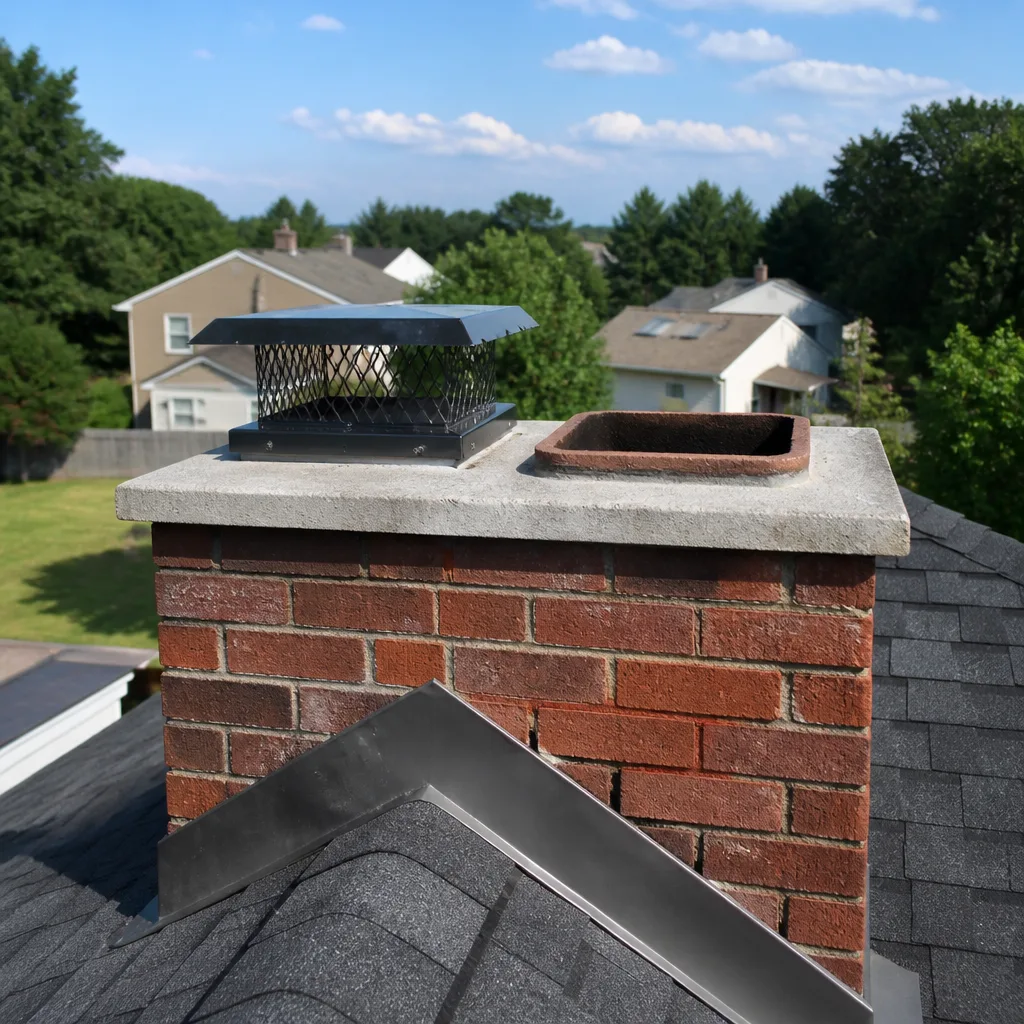
The crown is the concrete or mortar slab that caps the chimney top. It slopes to shed water. When it cracks, water flows into the chimney structure. It sits directly over the flue, so a crack in the crown is the most direct path for water to reach the liner and the firebox below. The material matters. A crown finished with a silicone-based sealant will fail in Moreno Valley’s heat cycles because silicone loses adhesion when it’s baked and then cooled repeatedly. Elastomeric compounds are engineered for this kind of constant expansion and contraction. They stretch without tearing. That’s the difference between a repair that lasts and one that fails by the next season. The right product, installed right, is what keeps a crown waterproof through the heat.
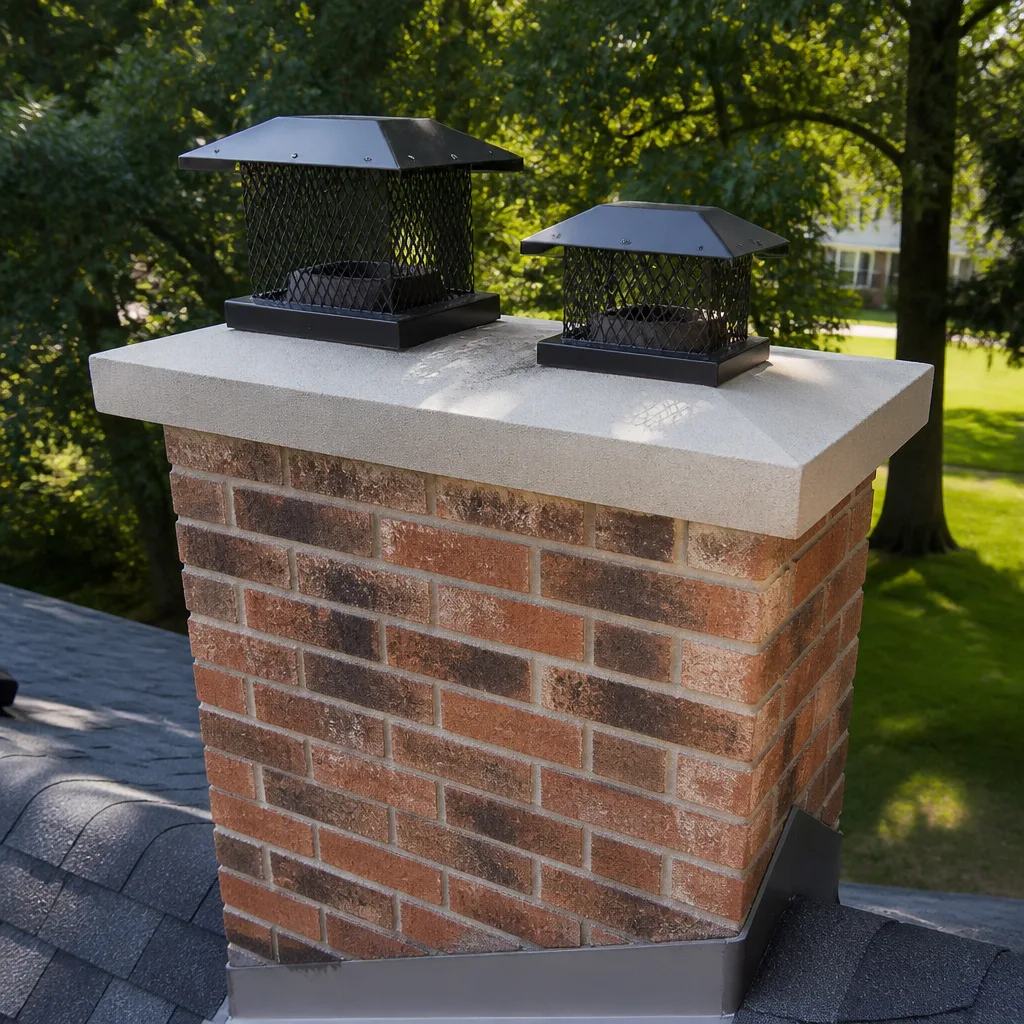
The cap keeps rain, debris, birds, and downdrafts out of the flue. A missing or undersized cap lets water go directly down the flue, where it mixes with creosote and accelerates liner corrosion. It also lets wind drive smoke back into the house. Replacing a cap is usually straightforward, but the cap has to be sized correctly for the flue and the wind conditions around your roofline.
The flashing is the metal seal where the chimney meets the roof. It fails when nails pop, when sealant dries out, or when a roof replacement disturbs it. Leaks at the flashing show up as water stains on the ceiling near the fireplace, or as dampness in the attic. Chimney flashing is not the same as roof flashing: it’s layered, stepped, and requires a specific installation method to actually seal.
If you’re seeing water stains, damp masonry, crumbling mortar, or a persistent musty smell near the fireplace, this is the section that applies to you. For repair work that addresses these failures at the material level, Chimney Repair in Moreno Valley covers crowns, caps, flashing, and the waterproofing compounds that hold up in this climate.
Liner Cracks and Deterioration: When Cleaning Isn’t Enough
Every chimney has a liner, and the liner is the only thing between the fire’s exhaust and the combustible structure of your home. A liner that’s cracked or deteriorated is a safety defect, not just a maintenance item. The problem is that liner cracks are often invisible from the firebox. They’re discovered during a sweep, which is why the inspection component of a chimney sweep matters as much as the cleaning itself.
Liners fail for a few reasons. Clay tile liners crack from thermal stress, especially in climates with hot summers and cooler winter nights, which describes Moreno Valley. Metal liners corrode from moisture and creosote acids. Older chimneys often have liners that are simply undersized for modern appliances. A liner with a crack can let combustion gases, including carbon monoxide, migrate into the wall cavity or the home. It also accelerates creosote accumulation because cracked surfaces collect deposits more readily.
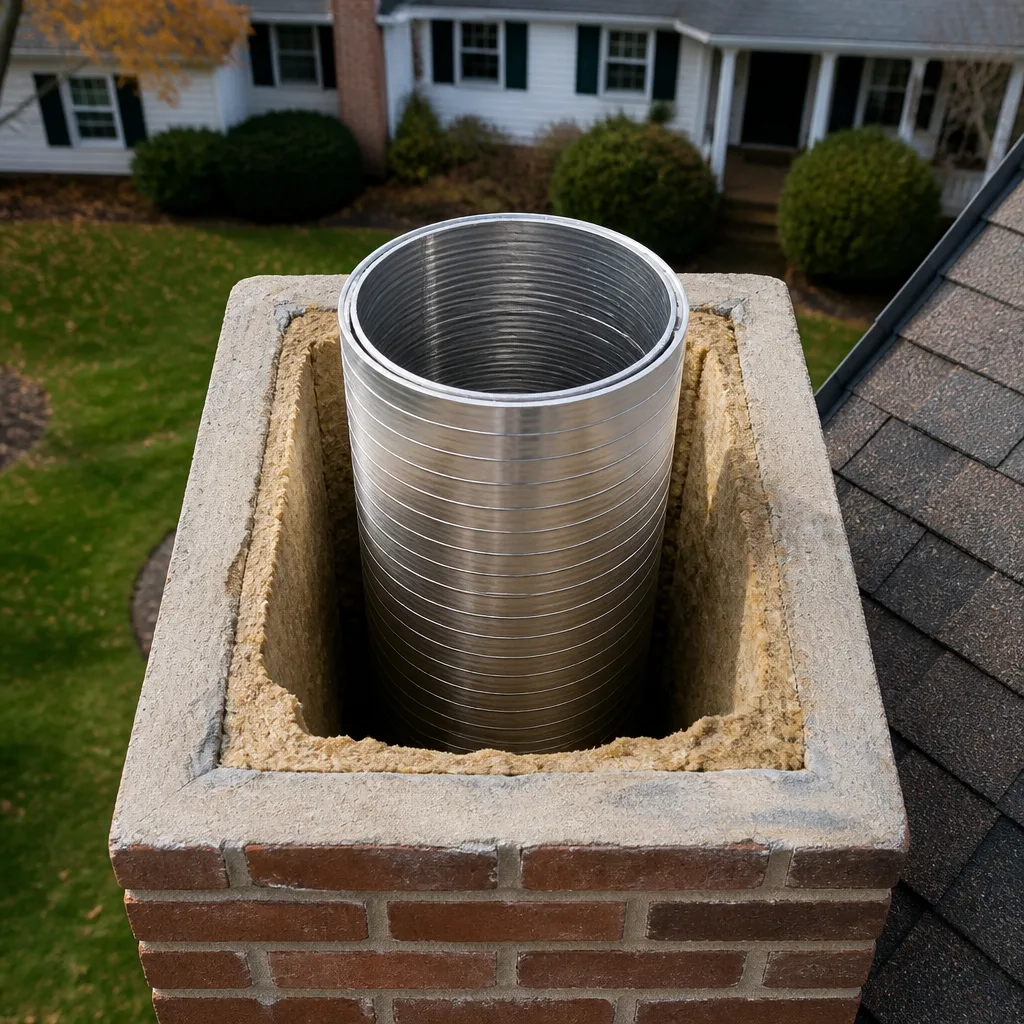
When a liner is cracked or deteriorated, there are two professional repair paths. One is restoration: a cerfractory sealant like HeatShield is applied to the flue walls, filling cracks and restoring a smooth, insulated surface. This is a repair-grade solution, not a patch, and it’s effective when the liner’s structural integrity is still sound. The other path is replacement: a full flexible liner system like DuraFlex is installed inside the existing chimney, giving the flue a new stainless steel interior. Materials come from professional chimney supply names like Copperfield and Gelco, which matters because the liner is the part of the chimney you can’t see and the part that protects everything else.
The point is that a sweep-only company can tell you your liner is cracked. We can tell you that and then fix it in the same visit or schedule the repair. That’s the difference between a report and a resolution, and it’s the reason we built Mantel around repair-grade capability, not just cleaning.
Monitor vs. Call: A Simple Decision Tree
Here’s a practical way to sort what you’re seeing into categories. If the answer to any of these is yes, call a professional. If you can confidently answer no to all of them, you can continue monitoring with the home checks listed at the end.
- Have you seen smoke coming back into the room more than once this season? One bad start might be a cold flue. Twice or more is a draft problem or a liner issue. Call.
- Is there a smell in the house when the fireplace isn’t in use? Especially in warm weather. This is creosote plus pressure imbalance. It needs a sweep and possibly a pressure evaluation. Call.
- Do you see rust-colored or white chalky stains anywhere on the fireplace or ceiling near it? That’s moisture. Moisture means a structural failure somewhere in the water path. Call.
- Have you noticed black flakes or debris falling into the firebox? That’s creosote flaking off the liner. It’s a fire risk. Call.
- Has your chimney been inspected in the last 12 months? If no, schedule one. A chimney that looks fine from the outside can have a Stage 3 creosote problem inside. Call.
What can you legitimately monitor on your own? Keep an eye on the damper operation: it should open and close fully without grinding. Look at the firebox after each fire: new cracks, shifting bricks, or unusual staining should be noted. Watch for changes in how the fireplace drafts from one season to the next. And check the visible masonry outside: spalling brick (faces popping off), crumbling mortar, or a crown that looks cracked are signs the weather is winning. If you see these, don’t wait for them to get worse. The repair is cheaper now than it will be in six months.
Common Mistakes to Avoid
- Burning the wrong wood. Green or wet wood burns cool and incomplete, and that’s a creosote factory. Moreno Valley has plenty of pine, but pine burns hot and fast, and it’s pitch-heavy. Season your wood at least a year, and split it before it seasons. The inside of an unsplit round still holds moisture a year later.
- Ignoring a smoke smell because it doesn’t happen every time. Intermittent smoke rollback is the most dangerous kind because it means the chimney is marginal. A marginal draft becomes a no-draft under the wrong conditions. Find the cause now.
- Painting or sealing the firebox to cover stains. The stains are evidence. Covering them doesn’t stop the water or the creosote. It just makes the next inspection harder.
- Using the fireplace as a trash burner. Wrapping paper, pizza boxes, and junk mail create fast, hot fires that send burning embers up the flue and deposit a fine, hard-to-remove creosote layer. Burn only dry, seasoned firewood.
- Delaying a crown repair because the crack looks small. A hairline crack in October is a water channel by February. In Moreno Valley’s heat, cracks don’t shrink. They grow.
- Assuming a newer home doesn’t need a chimney inspection. We’ve found liner installation defects, poorly designed caps, and draft problems in homes less than five years old. Build quality varies, and the chimney is one of the least-inspected parts of a home.
- Having the chimney swept but not inspected. A sweep is a cleaning. An inspection is a diagnosis. The two should happen together, because a clean chimney can still have a cracked liner, a failed crown, or a pressure problem that will show up as soon as you light the next fire.
When to Call a Professional
Call if you’ve seen smoke rollback more than once. Call if you smell the chimney when there’s no fire. Call if you see water stains, crumbled mortar, cracked firebox bricks, or debris in the firebox. Call if it’s been a year or more since a sweep. Call if you’ve bought a home and don’t know the chimney’s history. Any of these is a legitimate reason to get a professional evaluation, and none of them are things to wait on because none of them resolve on their own. Mantel Chimney Sweep offers free estimates in Moreno Valley, and the phone number is (844) 821-5749. We’d rather tell you it’s fine than have you find out it isn’t after a chimney fire or a carbon monoxide scare.
Frequently Asked Questions
A standard chimney sweep in Moreno Valley typically ranges from $150 to $300 depending on the size of the flue, how much creosote has built up, and whether the inspection turns up anything that needs attention. A sweep that discovers a liner issue or water damage costs more to address, but the sweep itself stays in that range. Call (844) 821-5749 for a free estimate before you book, so you know the number before the work starts.
Not always. If your liner is cracked but structurally sound, a HeatShield cerfractory sealant application can restore the flue to a smooth, insulated surface without a full replacement. If the liner is collapsed, severely deteriorated, or undersized for the appliance, a full DuraFlex flexible liner replacement is the correct fix. The way to know is a camera inspection of the flue interior, and you should see the footage before agreeing to any liner work.
The National Fire Protection Association standard says once a year at minimum, and that’s the right baseline for most Moreno Valley homeowners who burn wood. If you burn more than a couple of times a week or burn softer woods like pine, twice a year is safer. The question isn’t just frequency: it’s what the sweep finds when it’s done.
Creosote keeps accumulating until it reaches a stage where a single hot fire can ignite it. A chimney fire can damage the liner, crack the masonry, and spread to the roof structure. If the liner is already cracked, skipping the sweep means combustion gases have an open path into the house. The risk is real, and it’s cumulative. A chimney that hasn’t been swept in five years doesn’t get safer by waiting.
Yes. Lint is highly flammable, and a clogged dryer vent traps heat and blocks airflow, creating exactly the conditions for a lint fire. The U.S. Fire Administration cites dryer vent fires as a leading cause of residential fires, and most of those fires happen because the vent wasn’t cleaned. Mantel offers Dryer Vent Cleaning in Moreno Valley as a dedicated service, because it belongs in the same safety conversation as chimney fires.
A dedicated chimney company like Mantel can diagnose and repair liner damage, replace crowns, rebuild flashing, and install new liner systems using materials like DuraFlex and HeatShield. A general handyman who “also does chimneys” typically sweeps the flue and refers anything structural to someone else. The difference shows up when the inspection finds something: you want the company that can fix what it finds, not the one that hands you a report and a referral. Start at Mantel Chimney Sweep home.
The Bottom Line
Chimney problems don’t announce themselves with a single dramatic event. They show up as smoke that rolls back on windy days, a smell that comes and goes, a stain that wasn’t there last year. Reading those symptoms for what they are, mechanical failures with specific causes, is the difference between a $200 sweep and a $2,000 repair. The right way to approach it is to monitor what you can, act on what you can’t ignore, and get a professional inspection at least once a year. Your chimney is a system, not a box. Treat it like one.
Written by the team at Mantel Chimney Sweep, serving Moreno Valley since 2018.
If you’re seeing any of the symptoms in this guide, or if it’s simply been too long since your last sweep, call us at (844) 821-5749 for a free estimate. We’ll diagnose the problem, show you what we find, and quote the fix honestly. No scare tactics. Just the facts and the right materials for the job.
See the difference
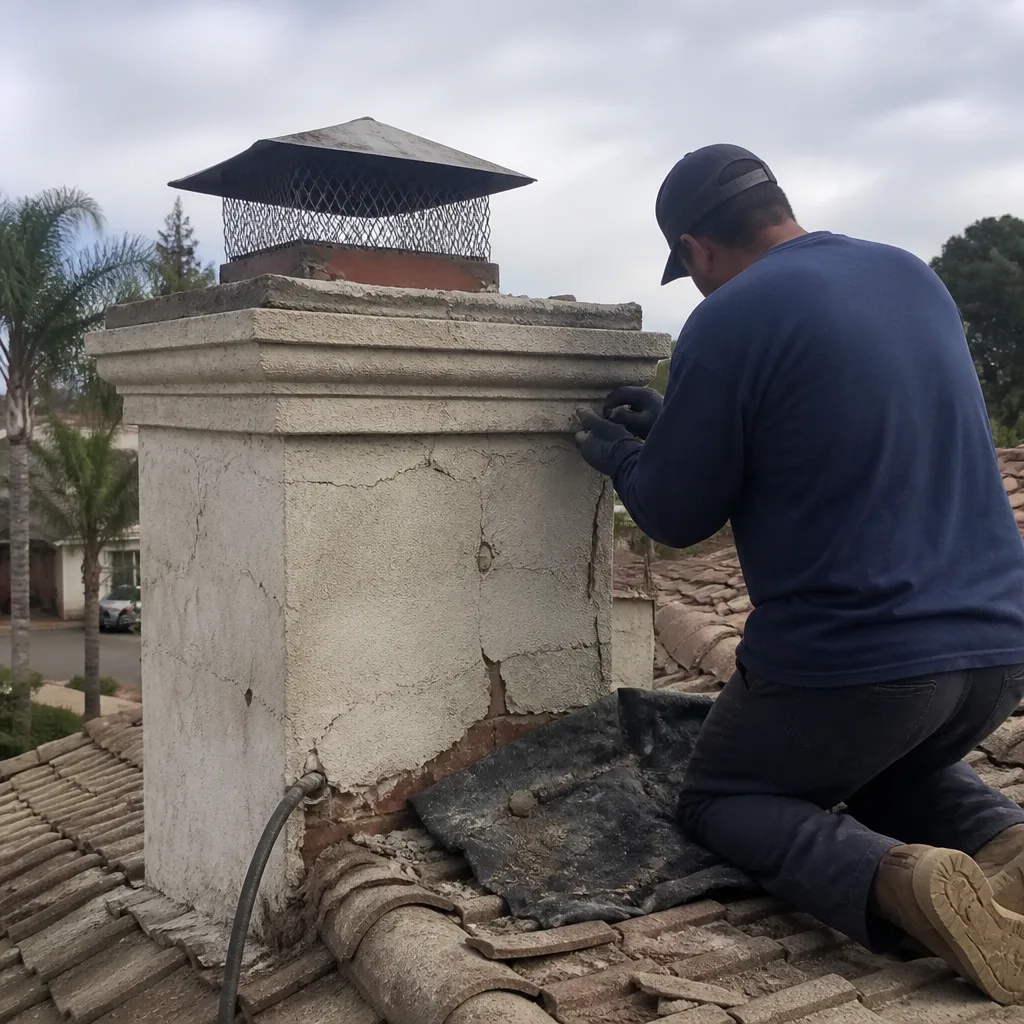 Before
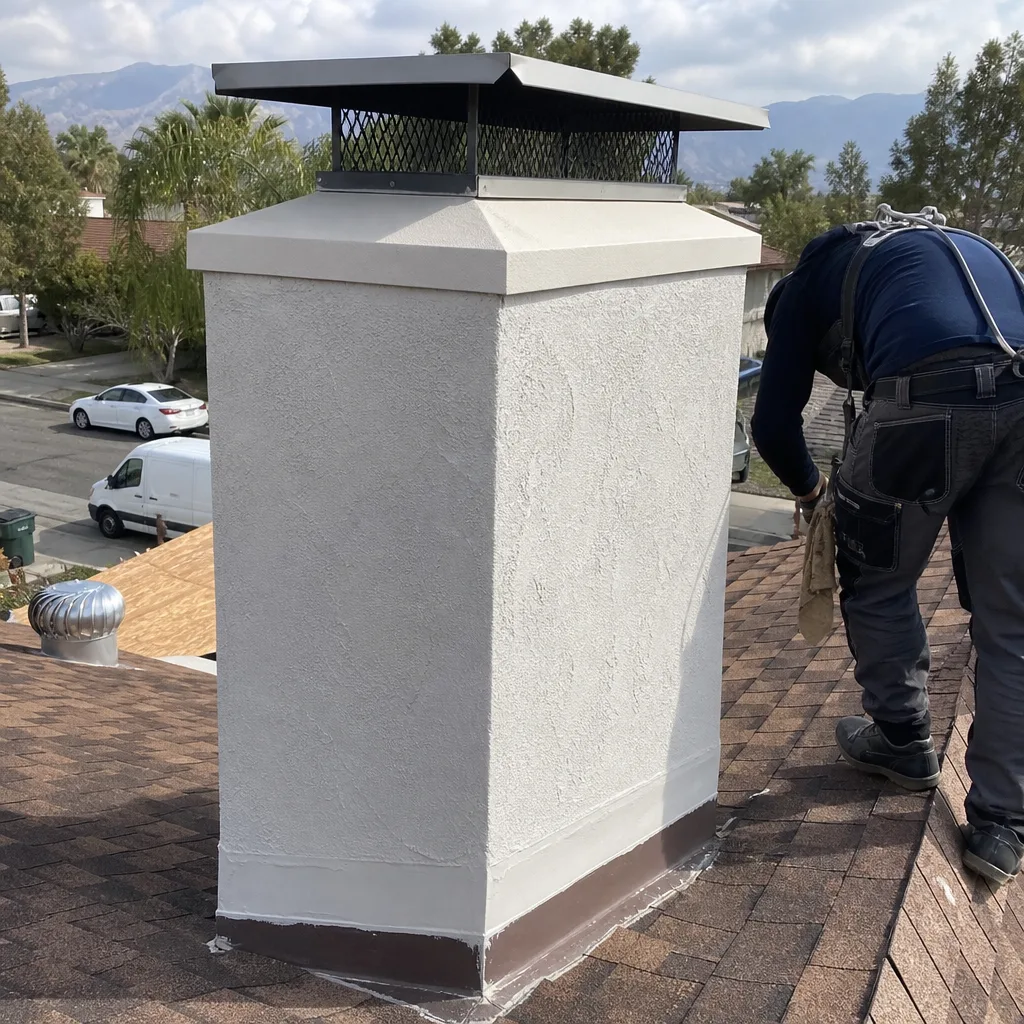 After
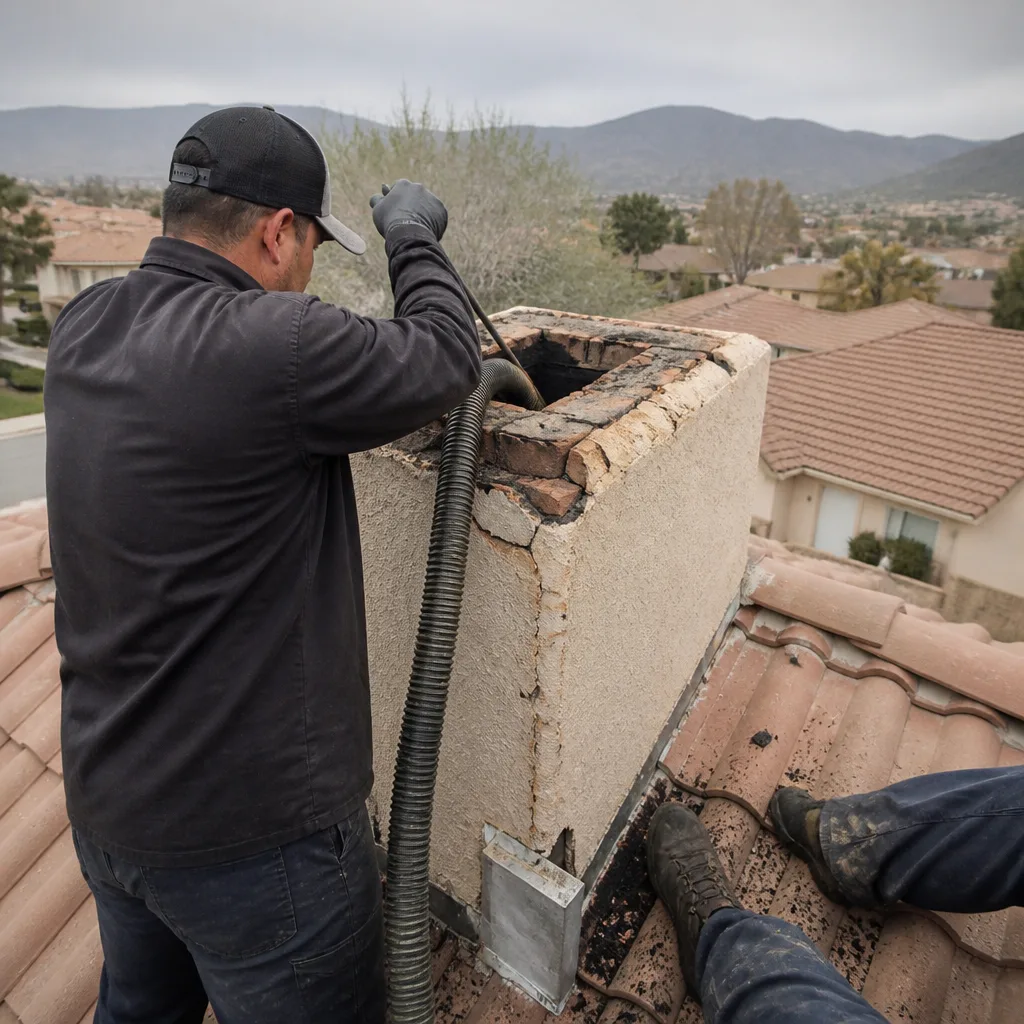 Before
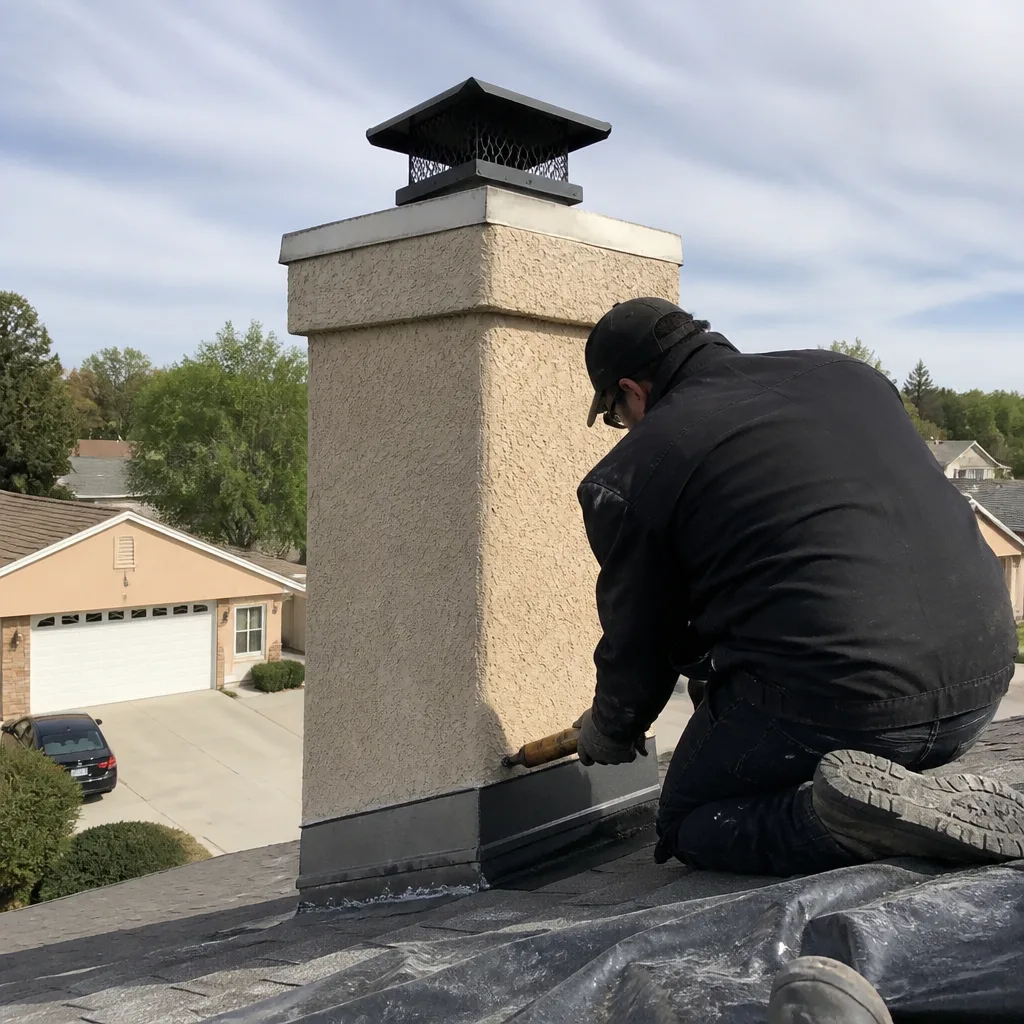 After
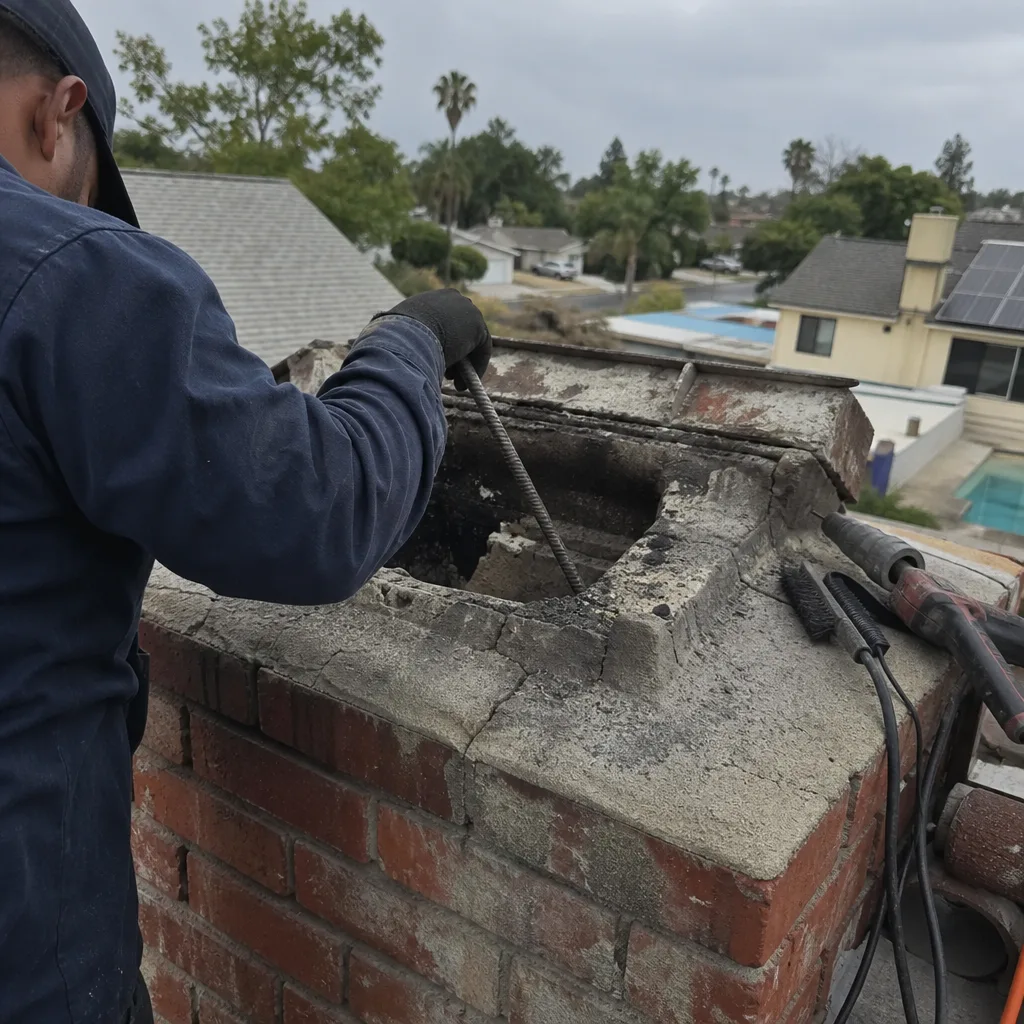 Before
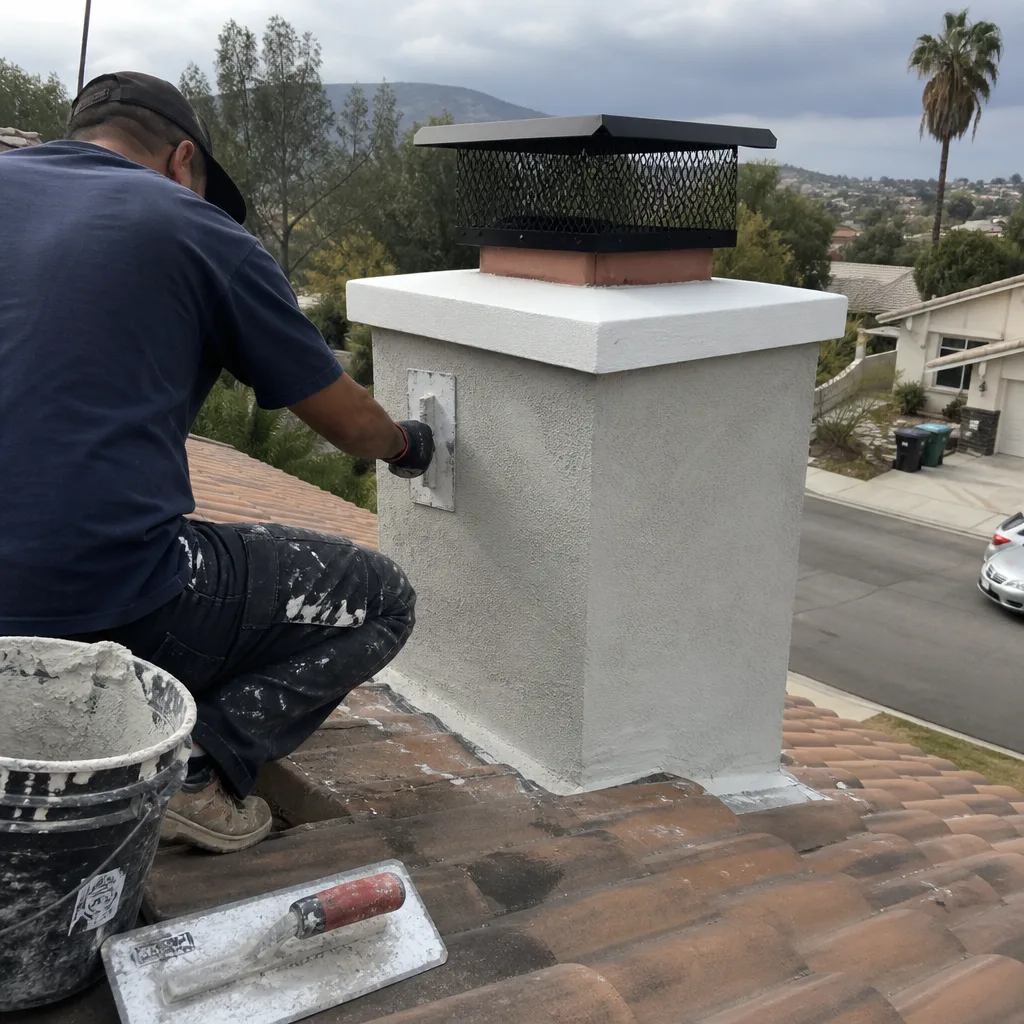 After