Last updated October 30, 2026
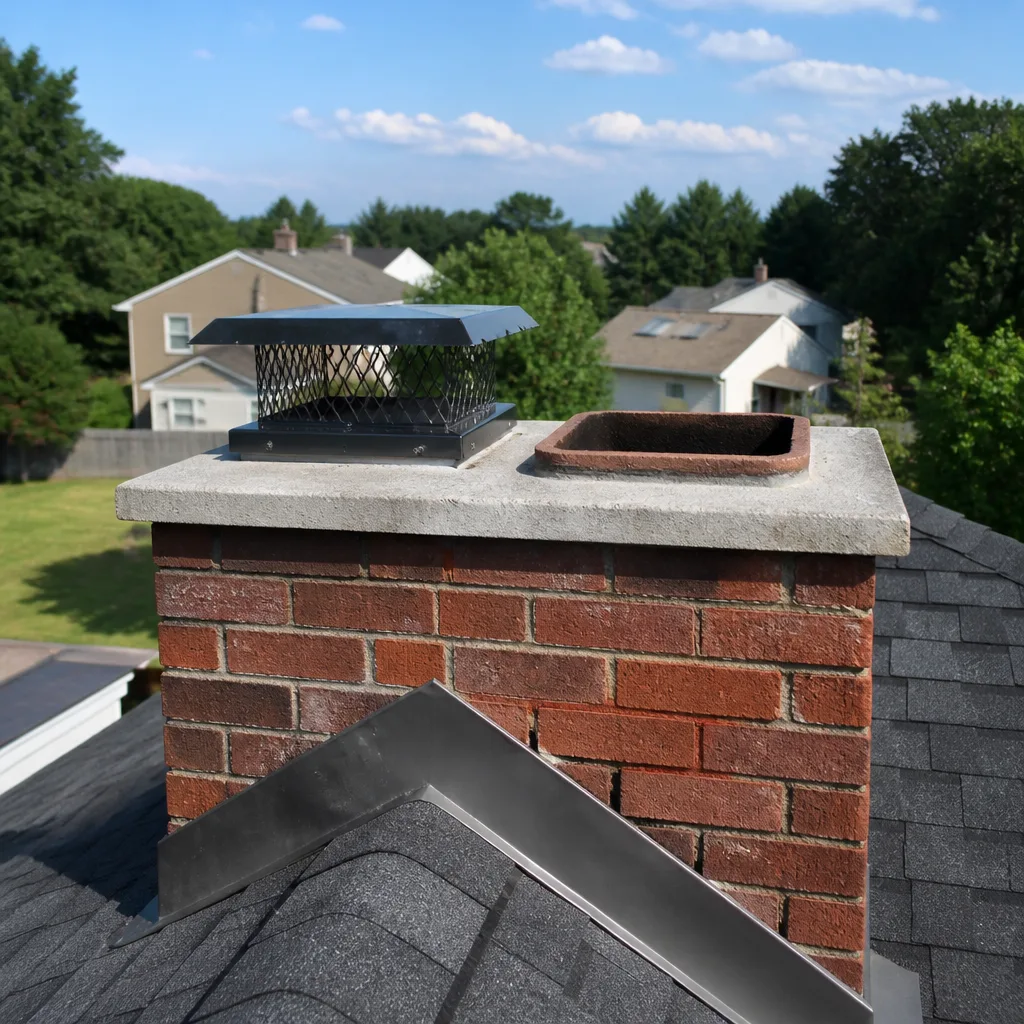 Sweep & inspection
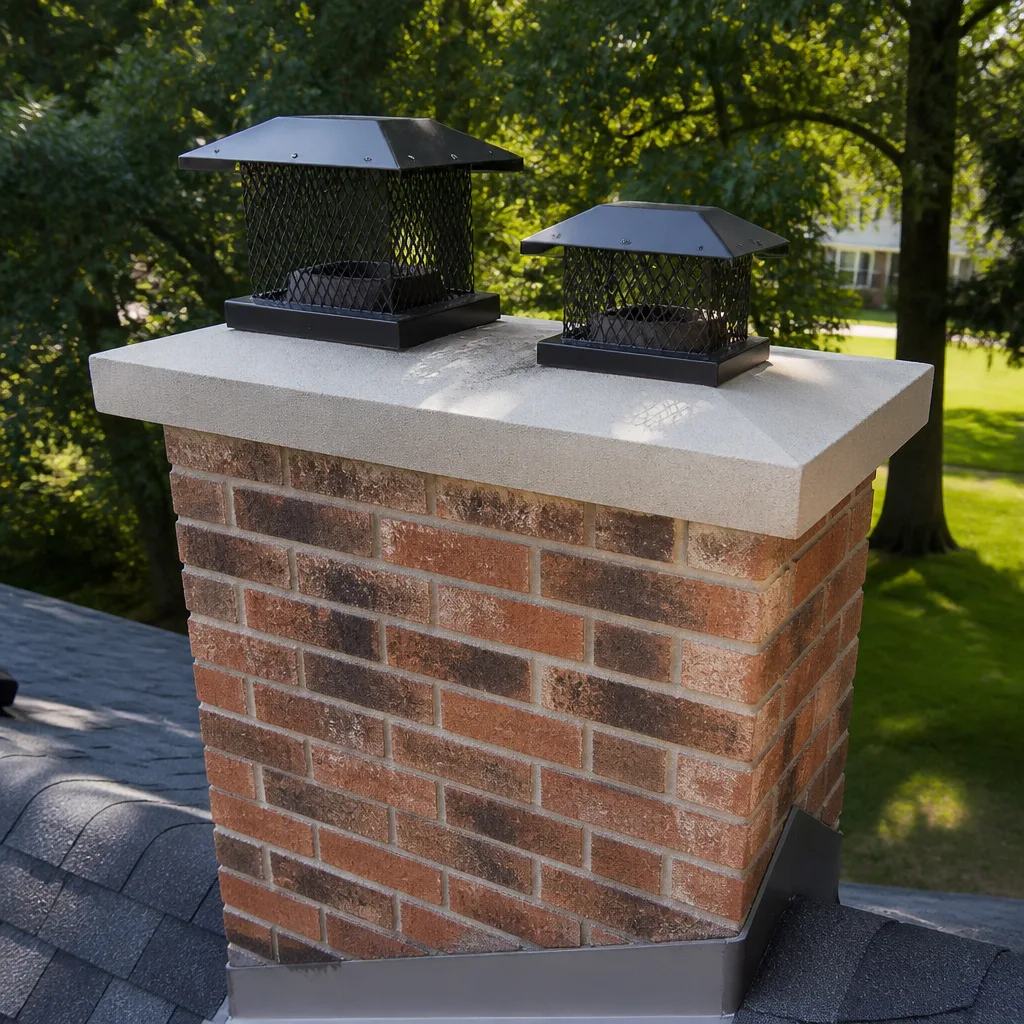 Caps & crowns
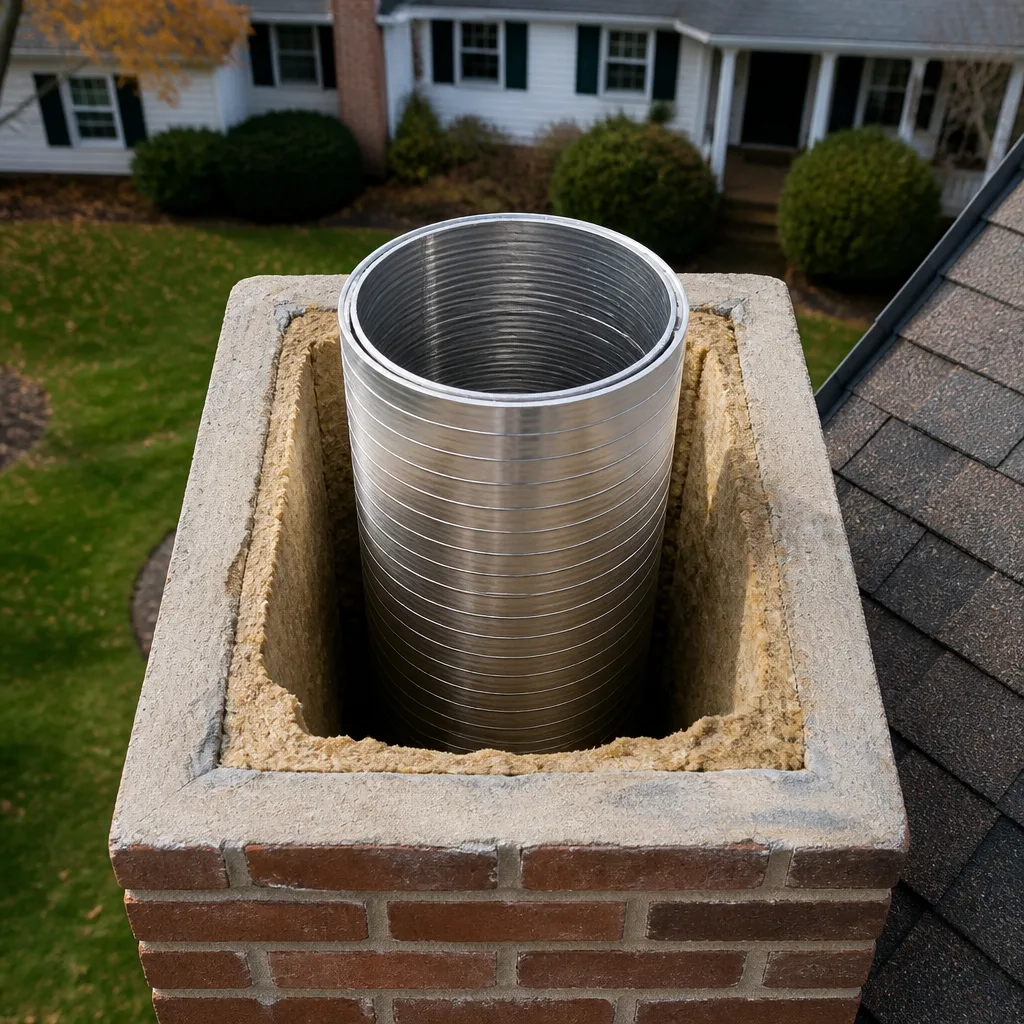 Flue relining
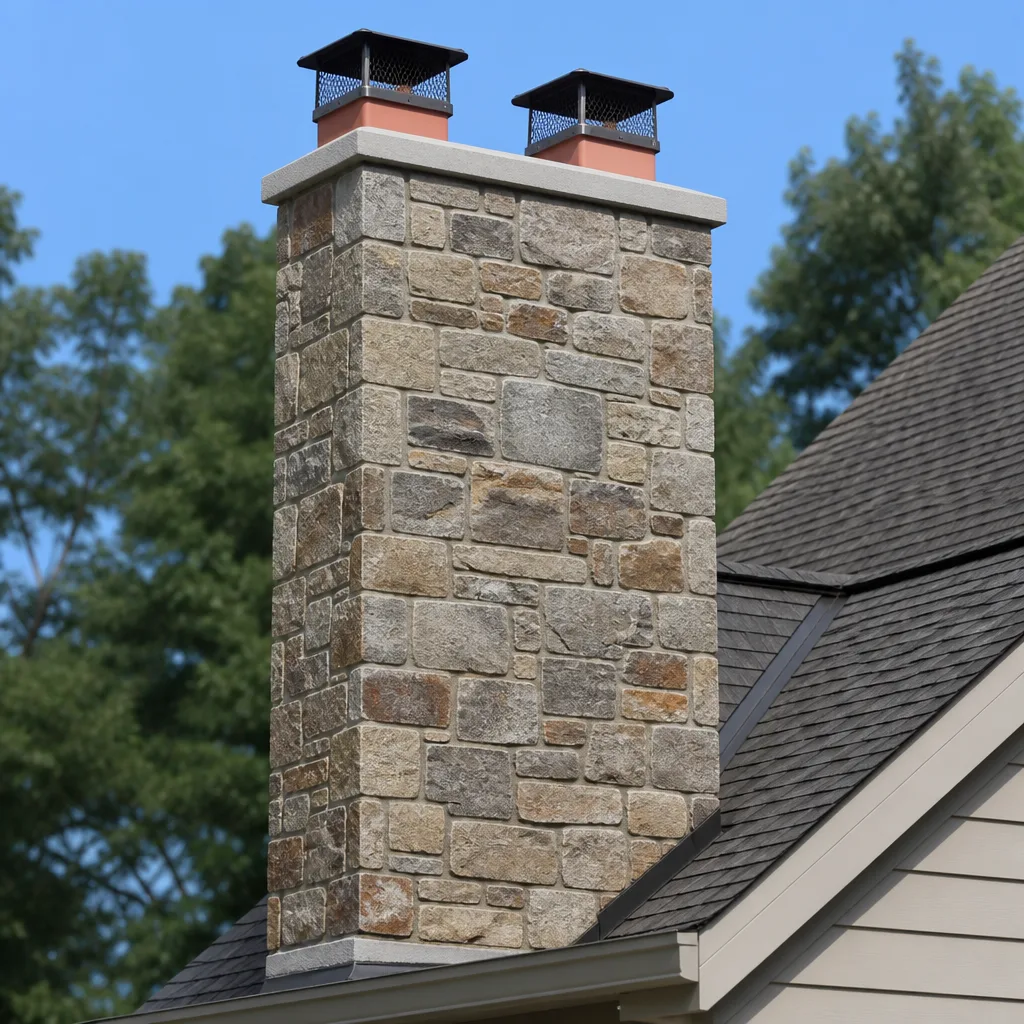 Masonry repair
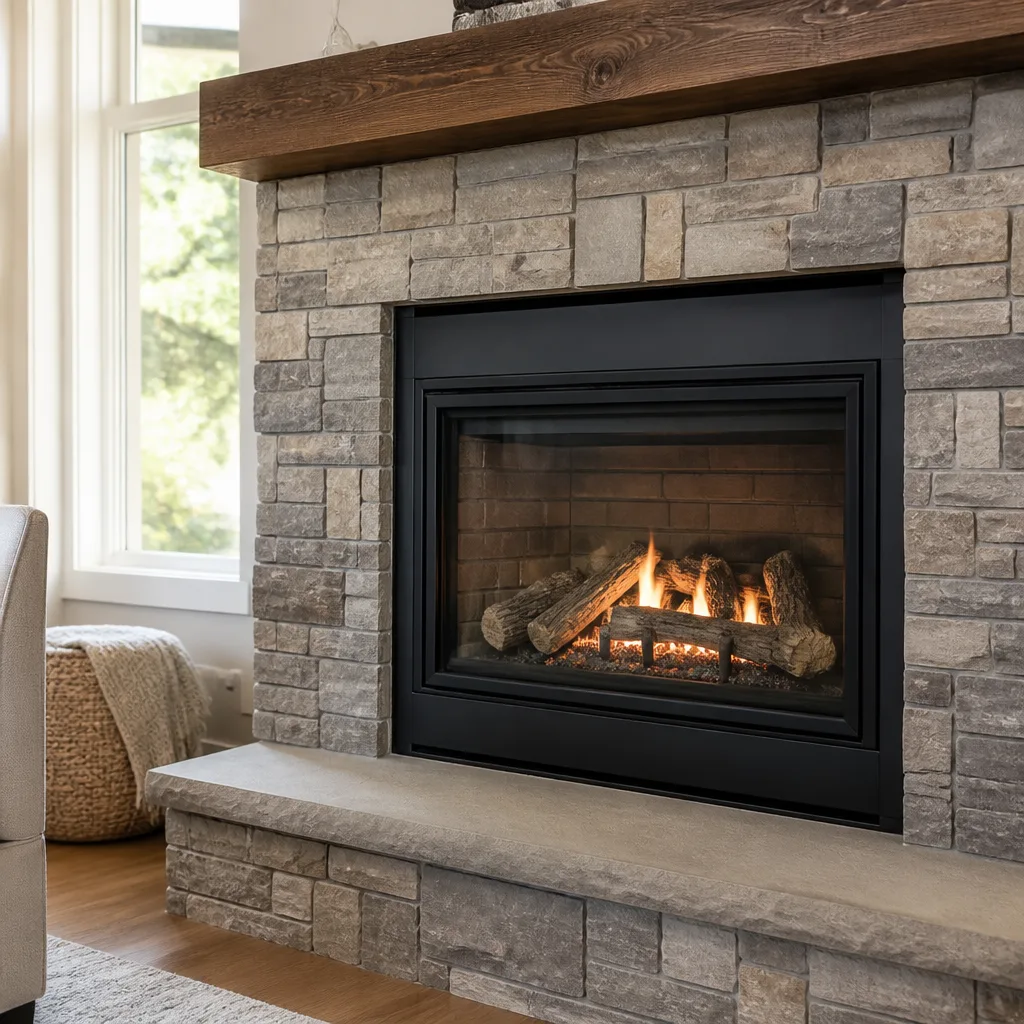 Gas fireplace service
Level 1 sweep and inspection to the NFPA 211 annual standard - flue, crown, cap, and flashing checked and photographed
Chimney sweep logs do not sweep chimneys. They loosen some creosote - which then falls where a brush and vacuum still have to collect it.
The Complete Chimney Sweep Guide for Moreno Valley Homeowners
Moreno Valley sits in a strange meteorological pocket. We’re far enough inland to bake through 100-degree summer weeks, yet close enough to the passes that every October brings Santa Ana winds howling down from the Cajon and San Gorgonio corridors. Those winds don’t just knock over patio furniture. They pressurize your chimney from above, forcing combustion byproducts back down the flue and into places they were never meant to settle. In our experience, a chimney swept without accounting for wind exposure, local wood types, and the Inland Empire’s specific creosote staging patterns is only half a sweep. This guide explains what Moreno Valley homeowners actually need to know, from how often to schedule our Chimney Sweep services to when a liner problem requires more than a brush.
Quick Answer
A chimney sweep in Moreno Valley typically costs between $180 and $340 for a standard cleaning with a Level 1 inspection, and most wood-burning fireplaces need this once per year or every 40 to 50 fires, whichever comes first. Homes that burn eucalyptus, citrus, or unseasoned wood often need sweeping twice as often because these fuels produce heavier creosote deposits. The real question isn’t whether you need a sweep. It’s whether the person doing it can spot and repair liner damage while they’re up there.
Styles & brands we work with
Table of Contents
- Why Moreno Valley Chimneys Get Dirty Differently
- How Often Should You Sweep Your Chimney in Moreno Valley?
- What a Proper Chimney Sweep Actually Involves
- Level 1, 2, and 3 Inspections Explained (NFPA 211)
- Sweep-Only Visits vs. Repair-Grade Inspections
- What to Check Yourself Between Professional Visits
- Common Mistakes to Avoid
- When to Call a Professional
Why Moreno Valley Chimneys Get Dirty Differently
Creosote forms when wood smoke condenses on cooler flue surfaces. In damp climates, the moisture problem comes from rain and humidity. In Moreno Valley, the bigger issue is temperature cycling. Our summer days push heat deep into masonry, and our winter nights drop fast. That thermal cycling causes more expansion and contraction inside the flue than you’d see in coastal areas, which means hairline cracks open up earlier and creosote finds more places to grip. When a Santa Ana event follows, the wind drives exhaust gases deeper into those cracks and deposits residue where brushes alone cannot reach.
The fuel matters too. Moreno Valley homeowners burn a lot of eucalyptus and citrus wood, both common in Inland Empire backyards and orchards. Eucalyptus burns hot but produces a heavy, oily creosote that clings to flue walls instead of flaking off. Citrus wood creates dense soot with a sticky resin component. Neither behaves like the oak or almond firewood you’d find in northern California markets. If you’re burning local wood, you’re creating a specific kind of buildup that requires more frequent mechanical removal and, in some cases, chemical treatment to break down the hardened deposits.
There’s also the matter of downdraft pressure. Homes in the Sunnymead Ranch and Hidden Springs areas, particularly those on ridge lines or east-facing slopes, get hit harder by Santa Ana winds than homes in the valley floor. A flue that drafts perfectly on a calm January evening can behave completely differently when wind gusts hit 40 miles per hour from the northeast. Proper chimney caps with wind-resistant designs matter here more than in most Southern California markets.
How Often Should You Sweep Your Chimney in Moreno Valley?
The National Fire Protection Association (NFPA 211) sets the baseline: chimneys, fireplaces, and vents should be inspected at least once a year and cleaned whenever soot or creosote buildup reaches 1/8 inch or more. That’s the national standard. Here’s what it means in practice for Moreno Valley homes.
If you burn seasoned hardwood like oak or almond for a few fires per week during winter, an annual sweep usually keeps you within safe limits. If you burn eucalyptus, citrus, pine, or any wood that hasn’t dried for at least six to nine months, plan on two cleanings per year. The oily creosote those fuels produce accumulates fast, and once it hardens into a glaze-like layer, it’s significantly harder to remove than the flaky, brushable kind.
Gas fireplaces need less frequent sweeping but still require annual inspections. Gas logs don’t produce creosote, but they can generate acidic condensation that eats at mortar joints over time. Inserts complicate things further. A wood-burning insert with a stainless liner may hold creosote differently than a traditional masonry flue, and the only way to know what’s happening inside is a camera inspection.
Here’s a practical schedule based on what we see across Moreno Valley:
- Occasional burners (under 20 fires per year): Annual inspection, sweep every other year unless inspection shows 1/8 inch buildup
- Regular burners (20 to 50 fires per year) using seasoned hardwood: Annual sweep with inspection
- Regular burners using eucalyptus, citrus, or unseasoned wood: Sweep every 6 months, or before the burn season and mid-season
- Gas fireplace or insert users: Annual inspection, sweep only when inspection indicates mortar breakdown or debris
- Homes exposed to strong Santa Ana wind patterns: Same as above, plus a visual check after major wind events
If it’s been more than two years since anyone looked inside your flue, you need more than a routine sweep. You need a repair-grade inspection, which we’ll get to below.
What a Proper Chimney Sweep Actually Involves
A legitimate chimney sweep is more than running a brush up and down the flue. At minimum, it should include the following steps. If the company you hire skips any of these, you’re not getting what you paid for.
- Interior protection. Drop cloths or floor runners laid from the entry point to the fireplace, the firebox sealed with a plastic barrier, and a specialized vacuum with HEPA filtration running during the entire job. Chimney soot is fine and invasive. Without proper containment, it ends up on your furniture and in your ductwork.
- Mechanical flue cleaning. Rotary brushes, rods, or whip systems sized to your exact flue dimensions. A brush that’s too small leaves creosote ridges. A brush that’s too large can damage flue tiles. The sweep should know your flue’s measurements before starting.
- Smoke chamber and smoke shelf cleaning. These areas sit above the damper and below the flue, and they trap a surprising amount of debris. Many budget sweeps clean the flue but leave the smoke shelf caked with creosote and fallen mortar. That’s a fire hazard waiting to happen.
- Firebox and damper cleaning. Ash removal, damper plate scraping, and removal of any debris that’s fallen into the firebox. The damper should be tested for full travel and a proper seal.
- Visual inspection with camera. After cleaning, a camera should go up the flue to document the condition of the liner, mortar joints, and any areas the brushes couldn’t reach. Without camera evidence, you’re trusting someone’s word about what’s inside your chimney.
- Cap and crown check. The chimney cap should be secure and free of debris. The crown, the concrete slab at the top of the chimney, should be checked for cracks that let water into the masonry. In Moreno Valley’s heat, crown cracks open up fast and let water in, which then causes spalling and expensive masonry repairs.
This full process takes one to two hours on most single-story Moreno Valley homes. If someone quotes you a 20-minute sweep, that’s a drive-by, not a cleaning.
Level 1, 2, and 3 Inspections Explained (NFPA 211)
The terms “Level 1,” “Level 2,” and “Level 3 inspection” aren’t upselling language. They’re defined categories in NFPA 211, the national standard for chimney and venting system inspection. Understanding the difference helps you know exactly what you’re paying for and when each level applies.
Level 1 Inspection: This is the inspection that accompanies every routine sweep. It covers the readily accessible portions of the chimney: the firebox, damper, smoke chamber, flue interior, cap, and crown. Everything is examined visually, and the technician checks that the chimney is free of obstructions, combustible deposits, and obvious damage. A Level 1 inspection is appropriate when the system hasn’t changed since the last inspection and you’re using it the same way you always have.
Level 2 Inspection: This goes deeper. It adds a video camera scan of the entire flue interior, and it’s required when specific events occur: after a chimney fire, after an earthquake, after a Santa Ana wind event that caused damage or downdraft problems, after a change in fuel type, or when a property changes ownership. A Level 2 inspection can identify hidden issues that a visual check misses: cracked flue tiles, deteriorated mortar joints, gaps in the liner, or improper clearances. In Southern California, earthquake activity alone makes Level 2 inspections more relevant than in most of the country. A small temblor can shift masonry enough to crack flue tiles without leaving any visible exterior damage.
Level 3 Inspection: This is the invasive option. It involves removing portions of the chimney, wall, or ceiling to access concealed areas. A Level 3 inspection is appropriate only when a serious hazard is suspected and Levels 1 and 2 have not provided enough information. This is rare, and it should never be the first thing a company recommends unless there’s clear evidence of hidden structural failure.
Most Moreno Valley homeowners need a Level 1 annually and a Level 2 before buying a home, after any significant seismic event, or if they’re switching from gas to wood or vice versa.
Sweep-Only Visits vs. Repair-Grade Inspections
Here’s the distinction most homeowners never hear: there’s a difference between a company that can clean your chimney and a company that can fix what it finds. In Moreno Valley, plenty of operators fall into the first category. They’ll brush the flue, tell you if something looks wrong, and hand you a referral to someone else for the repair. That leaves you with two appointments, two companies, and a gap between diagnosis and fix that too often stretches into months of neglect.
A repair-grade sweep changes the economics. The person on your roof has the training and materials to address liner cracks, mortar deterioration, and cap damage in the same visit, or at least to schedule the repair with the same company. When the sweep finds a cracked flue tile, you want someone who can apply a cerfractory sealant like HeatShield to restore the liner rather than someone who shrugs and suggests you call a mason. That’s the difference between a maintenance call and a safety resolution.
The cost difference between these two approaches narrows quickly when you factor in what happens after a sweep-only visit. Let’s say your sweep finds a cracked liner and refers you to a general contractor. That contractor quotes you for a full tear-out and rebuild, because that’s their business model. A repair-grade chimney company evaluates whether the liner can be restored with a product like HeatShield, or whether a DuraFlex stainless liner replacement is the better long-term play. Often the repair-grade answer is dramatically less expensive than a full masonry rebuild, because the right materials applied by a specialist can restore function without demolition.
The savings aren’t just financial. Every week that passes with a cracked liner is a week your fireplace can push carbon monoxide into your living space, not up the chimney. That’s not a maintenance issue. That’s a health and safety issue. Combining the inspection with repair capability collapses the gap from “problem identified” to “problem solved” to a single conversation, sometimes a single appointment.
We repair what others can only report. A clean sweep is the baseline. Repair expertise is the difference.
What to Check Yourself Between Professional Visits
You don’t need to climb onto your roof to catch early warning signs. Several checks take minutes and can alert you to problems before they become hazards. Here’s what every Moreno Valley homeowner should do seasonally.
1. The Damper Test
Open and close your damper fully. It should move freely without grinding, and it should seal reasonably well when closed. A damper that won’t close completely lets conditioned air escape up the chimney year-round, which is a bigger deal in Moreno Valley’s summer heat than most homeowners realize. Your AC works hard enough without fighting an open chimney.
2. The Smoke Shelf Check
Shine a flashlight up past the damper. If you see significant buildup on the smoke shelf, it’s time for a sweep regardless of when your last one happened. Debris accumulates here faster than anywhere else in the system. You should not see chunks of mortar or creosote flakes larger than a dime.
3. The Cap and Crown Visual
From the ground, you can see whether your chimney cap is still in place and whether the crown has visible cracks. After a Santa Ana event, do this check. Wind-driven debris can dislodge caps, and once the cap is gone, birds, rodents, and rain all find their way in.
4. The Firebox Check
Look at the firebox walls where they meet the floor. Cracks, especially ones wide enough to slide a quarter into, need professional evaluation. Same goes for loose bricks or crumbling mortar. The firebox is your last line of defense, and it takes a beating in the temperature swings Moreno Valley experiences.
5. The Odor Check on Damp Days
If your fireplace smells like a campfire on humid or rainy days, creosote is present and absorbing moisture. That smell means you have enough buildup to warrant a sweep, even if it’s sooner than your scheduled cleaning. It also signals moisture entry, which should be investigated.
None of these checks replace a professional inspection. They’re designed to help you recognize when to schedule one sooner rather than later.
Common Mistakes to Avoid
- Burning unseasoned eucalyptus or citrus wood. These woods are abundant in the Inland Empire, but they need at least six to nine months of drying before burning. Wet eucalyptus creates the hardest, most dangerous form of creosote glazing, and it happens faster than most homeowners believe.
- Skipping the cap replacement after a wind event. When a Santa Ana blows your cap off, the damage isn’t just the missing metal. Every day the chimney sits uncapped leaves it open to birds, rodents, and rain. In Moreno Valley, summer thunderstorms can dump enough water into an uncapped flue to damage the smoke shelf and firebox within a single season.
- Hiring a sweep based on the lowest bid. A cheap sweep usually means skipping the vacuum containment, the camera inspection, or the cap and crown check. You end up paying again for a proper job, and the creosote that was left behind kept building while you thought the problem was solved.
- Treating gas fireplaces as maintenance-free. Gas logs produce corrosive condensation that degrades mortar over time. Moreno Valley homeowners with gas fireplaces often go years without an inspection because “gas burns clean.” That’s true for soot, false for long-term masonry health.
- Waiting until fall to schedule. The entire Inland Empire books chimney sweeps in October and November. That means longer waits and sometimes rushed jobs. Spring and summer scheduling, when the fireplace is idle, gets you a more careful visit and gives you time to address any repairs before burn season starts.
- Ignoring minor drafting problems. If smoke occasionally puffs into the room when you light a fire, that’s not a quirk. It’s a symptom of a larger issue: creosote buildup, a damper problem, a blocked flue, or wind exposure. Ignoring it means carbon monoxide is entering your home every time you use the fireplace.
- Assuming a chimney fire means the worst is over. Many chimney fires burn themselves out without burning down the house, but they leave behind cracked liners, compromised mortar, and a flue that’s now a carbon monoxide pathway into your living space. After any chimney fire, a Level 2 inspection is mandatory before the next use.
When to Call a Professional
Some situations can wait for your next scheduled sweep. Others need a call today. You should schedule a professional inspection immediately if you notice smoke backing up into the room, a strong campfire smell on humid days, visible soot falling into the firebox, or any sign of water in or around the fireplace. If you’ve had a chimney fire, even a small one that seemed to burn itself out, do not use the fireplace again until a Level 2 inspection clears it. The same goes after any earthquake strong enough to rattle windows or knock objects off shelves. Cracks inside a flue are invisible from the outside, but they’re a direct path for carbon monoxide into your home. Our Chimney Sweep in Moreno Valley service includes camera inspection and a repair assessment on every visit. For a free estimate, call (844) 821-5749.
See the difference
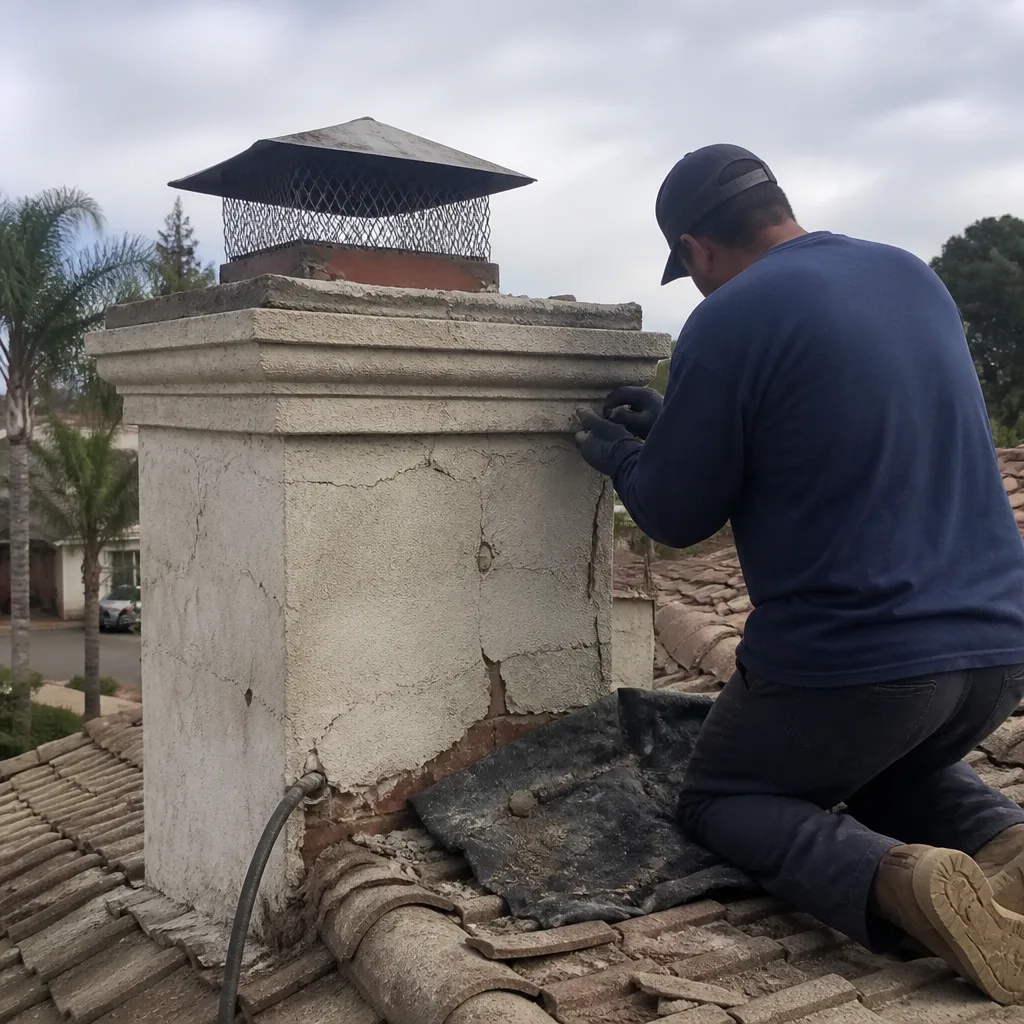 Before
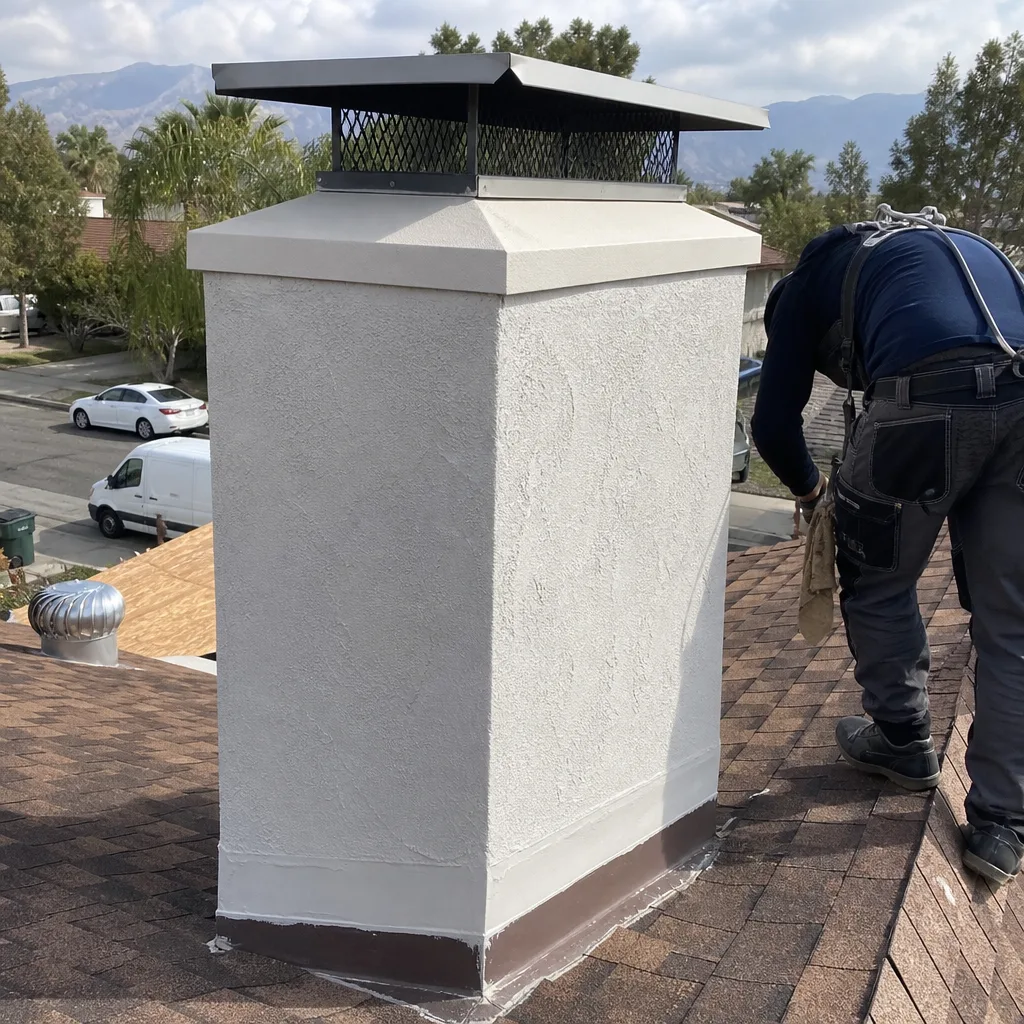 After
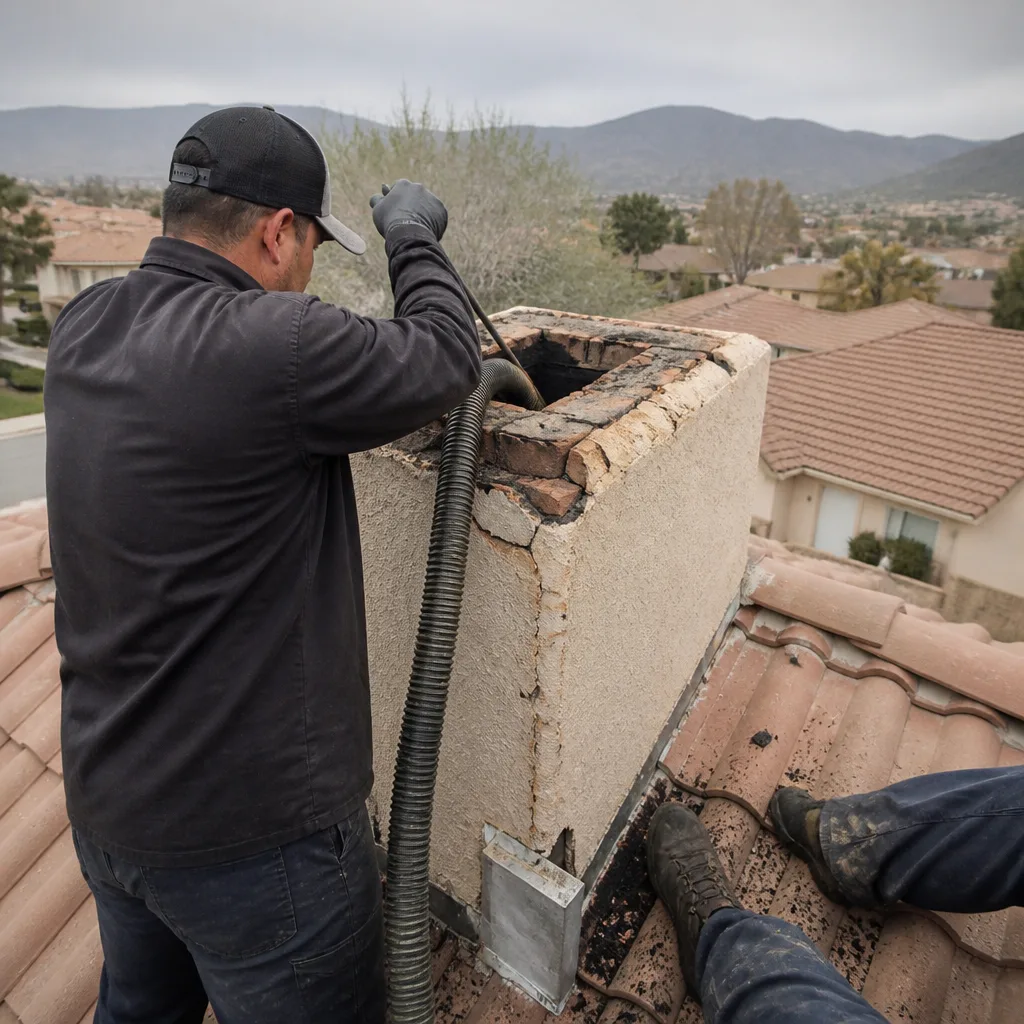 Before
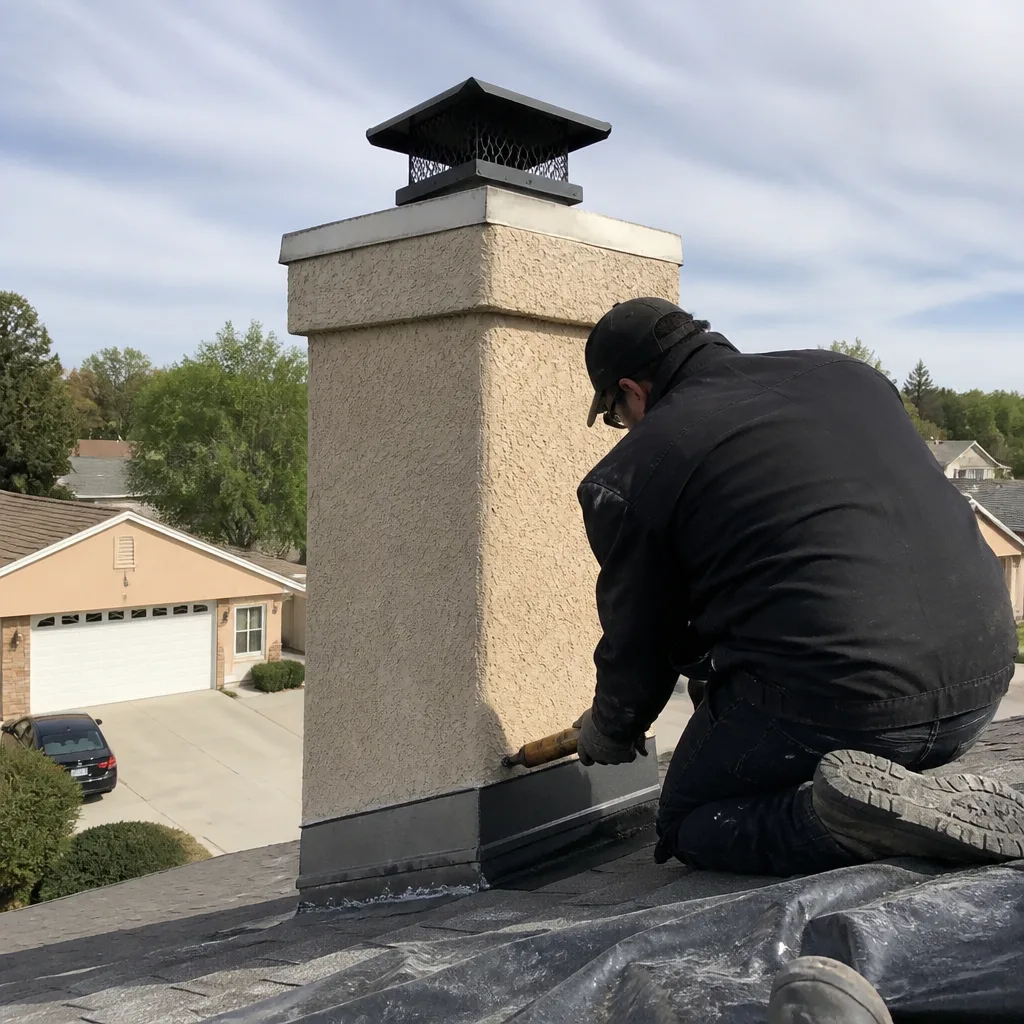 After
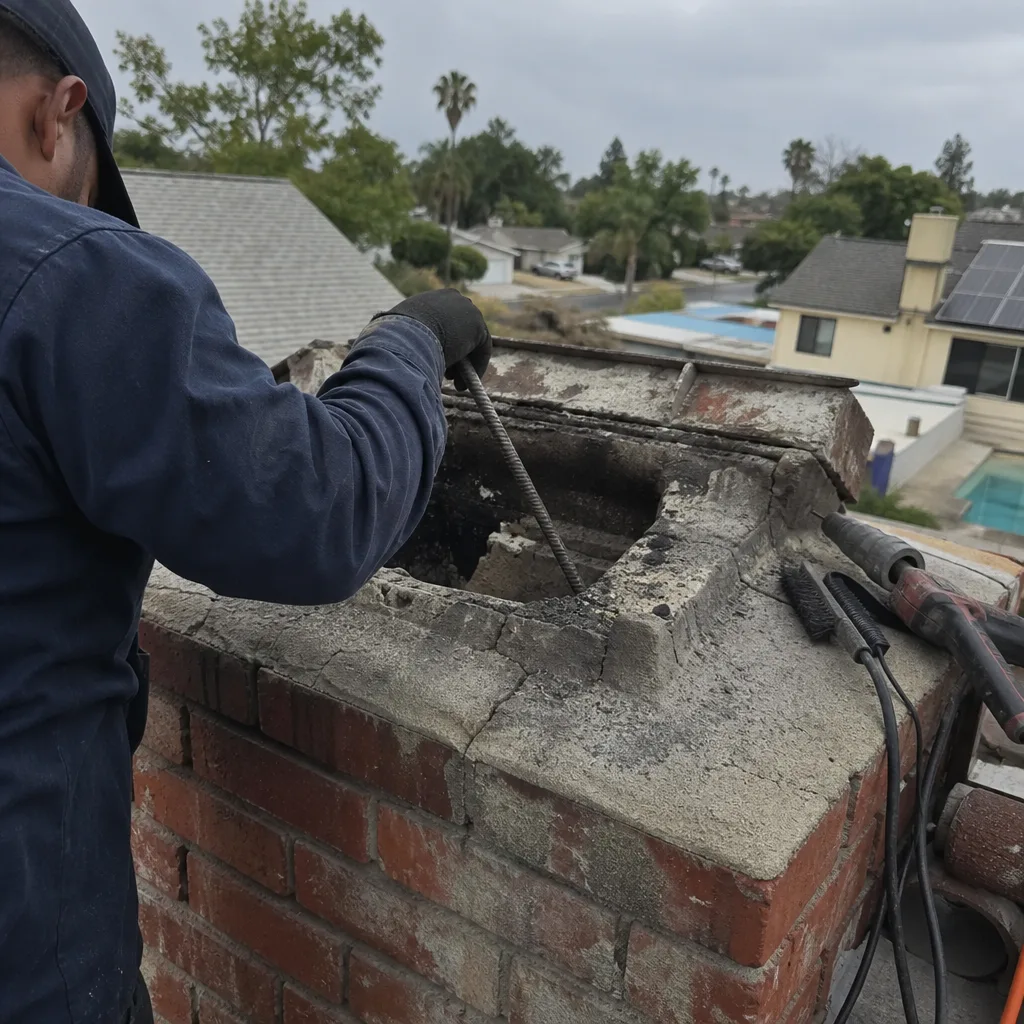 Before
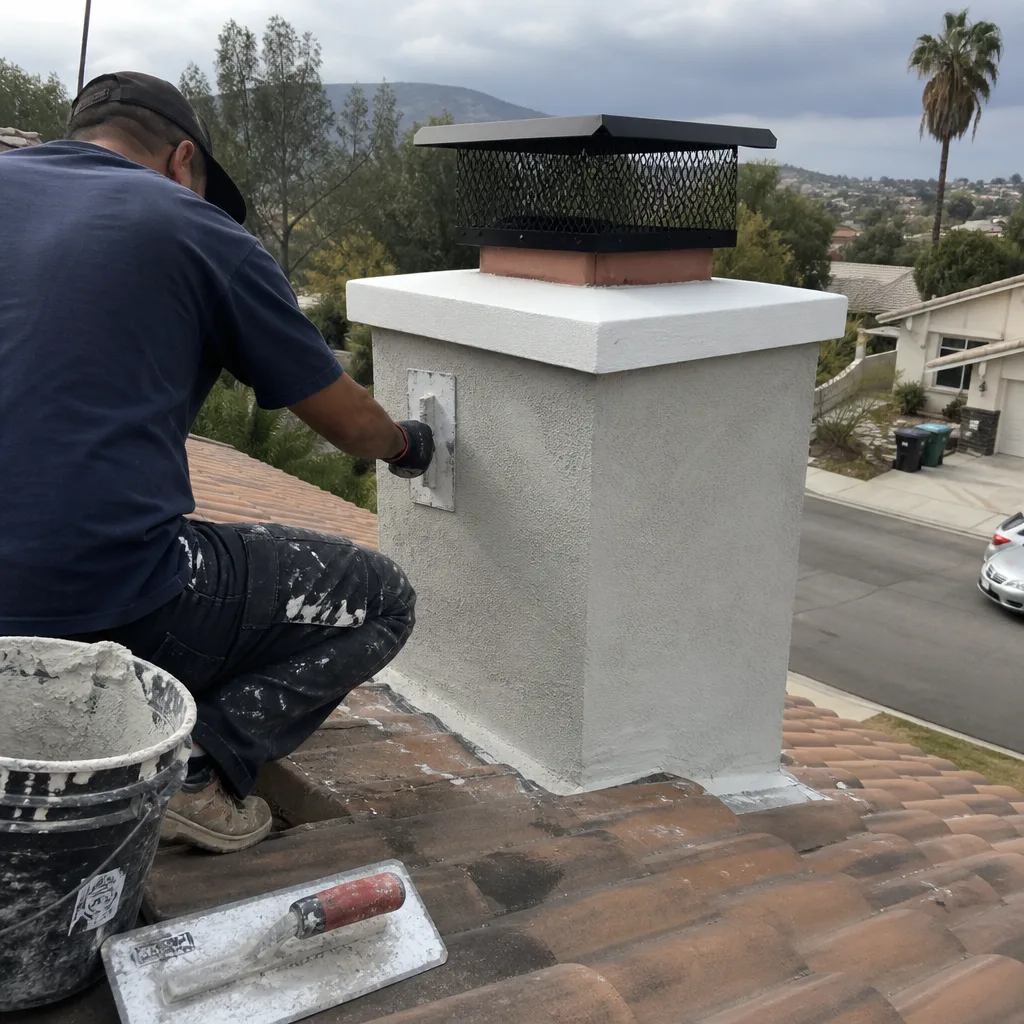 After
Frequently Asked Questions
A standard chimney sweep in Moreno Valley ranges from $180 to $340, depending on flue size, accessibility, and the amount of creosote present. Homes that burn eucalyptus or citrus wood, common in the Inland Empire, often fall on the higher end because the creosote is harder to remove. The price should include a Level 1 inspection and camera documentation of the flue condition. If a quote comes in significantly lower, confirm what’s included: many budget operators skip the vacuum containment or the camera inspection. Call Mantel Chimney Sweep home at (844) 821-5749 for an exact quote. We provide flat pricing before any work begins.
No, but you still need an annual inspection. A fireplace that gets used fewer than 20 times per year doesn’t need annual cleaning in most cases, but the chimney should still be inspected for structural issues, debris, animal intrusion, and moisture problems. In Moreno Valley, the thermal cycling from hot summers to cold winter nights stresses masonry even when the fireplace sits unused. The inspection catches those issues early, and because moisture and wildlife problems compound quickly, skipping the inspection for years is how small issues become major repairs.
A sweep removes creosote, soot, and debris from the flue, smoke chamber, and firebox. An inspection evaluates the condition of the chimney system: the liner, mortar joints, cap, crown, damper, and firebox. Every professional sweep should include at least a Level 1 inspection, but not every inspection requires a cleaning. If your fireplace is used lightly and the inspection shows less than 1/8 inch of buildup, cleaning can safely wait. The two services work together, but they answer different questions: “Is it clean?” versus “Is it safe?”
You can brush a chimney yourself with the right tools, and plenty of Moreno Valley homeowners do. But there’s a meaningful gap between brushing a flue and inspecting one properly. DIY cleaning removes visible creosote but doesn’t assess liner integrity, mortar condition, or hidden blockages. The bigger issue is safety. Working on a roof in Moreno Valley means working on tile roofs with steep pitches, often in wind. Falls from roofs are a leading cause of home-injury deaths. And because a proper evaluation requires camera equipment and repair knowledge, most homeowners are better served by a professional visit that combines cleaning with inspection. If you do clean your own flue, have a professional Level 2 inspection at least every two years to catch what a brush can’t.
Yes, and for a similar reason. Lint accumulation in dryer vents is a leading cause of residential fires, just as creosote accumulation is in chimneys. In Moreno Valley’s dry climate, lint dries out quickly and becomes highly combustible. Our Dryer Vent Cleaning in Moreno Valley service clears the full vent run, not just the accessible portion behind the dryer. If your dryer takes longer than normal to dry clothes, or the laundry room feels unusually hot during a cycle, the vent needs professional attention. We recommend cleaning dryer vents annually for most households, and more often for large families or homes with longer vent runs.
Schedule a full inspection before your next fire, even if the previous owner told you it was swept recently. Home sale inspections often include a basic visual check but rarely include a camera scan of the flue interior or an assessment by a chimney specialist. A repair-grade inspection will document the current condition, identify any deferred maintenance, and give you a cleaning and repair plan. You can’t know what’s inside your flue until a camera goes up it. For Chimney Repair in Moreno Valley needs, we offer free estimates and full documentation of everything we find.
The Bottom Line
Moreno Valley’s combination of desert heat, Santa Ana winds, and locally abundant eucalyptus and citrus firewood creates chimney conditions that a generic annual checklist doesn’t fully address. The right approach combines proper cleaning frequency with repair-grade inspection, camera documentation, and the ability to fix problems when they’re found, not just report them. For additional context, see The Complete Guide to Chimney Cleaning in Moreno Valley. Whether you burn wood every winter night or fire up a gas insert in December, your chimney works as a system: liner, smoke chamber, damper, cap, and crown all need to function together. When they don’t, the failure mode isn’t just inefficiency. It’s fire and carbon monoxide. Mantel Chimney Sweep is built around your fireplace’s long-term safety, with the right materials and the repair capability to back it up. Call (844) 821-5749 for a free estimate.
Written by the team at Mantel Chimney Sweep, serving Moreno Valley since 2018. Explore more guides & resources on fireplace safety and maintenance.