Last updated October 30, 2026
 Sweep & inspection
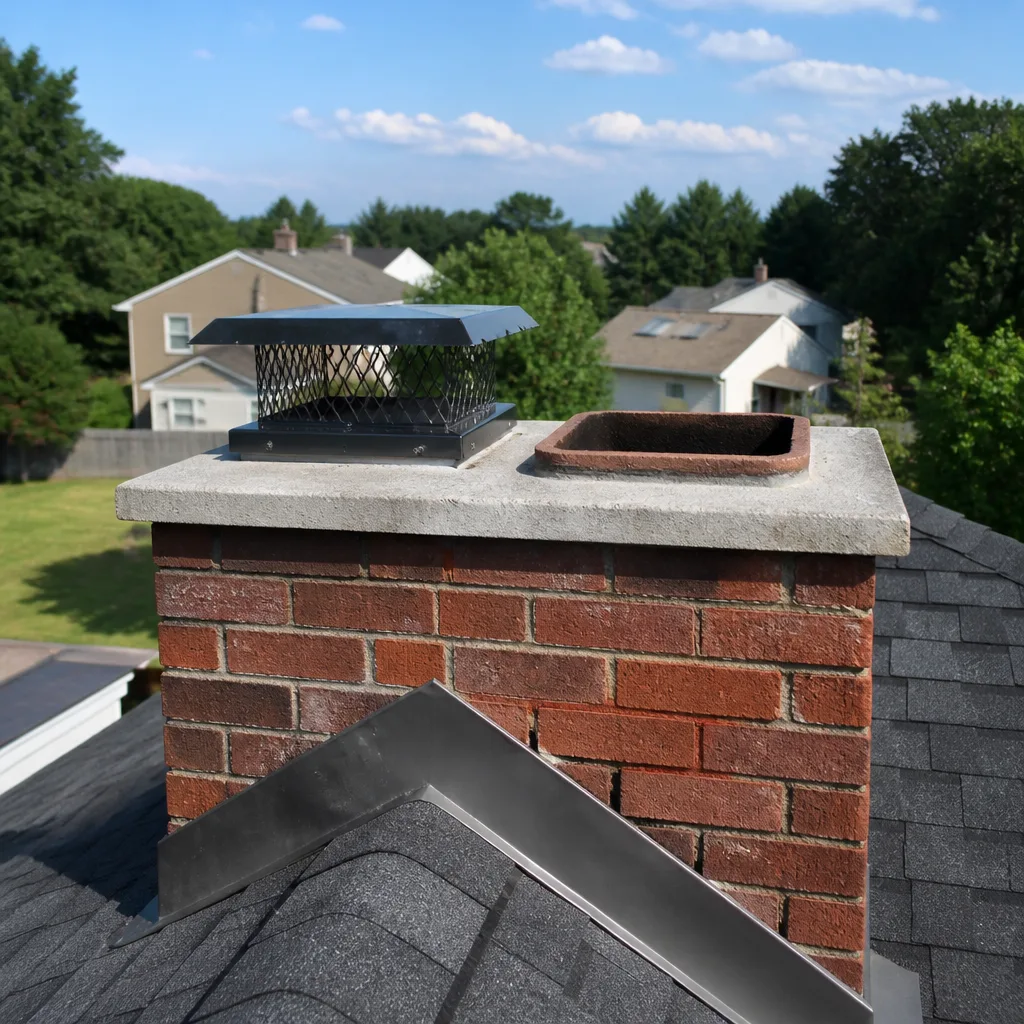
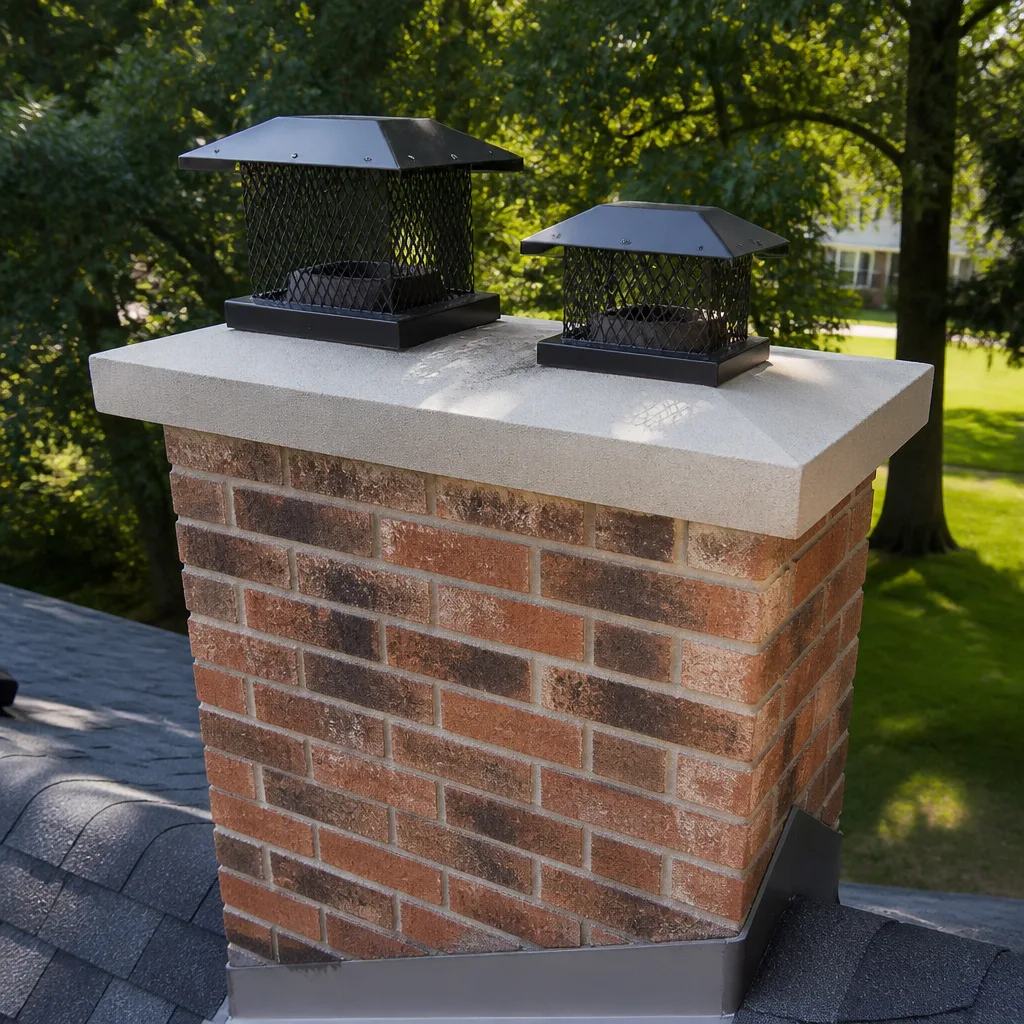 Caps & crowns
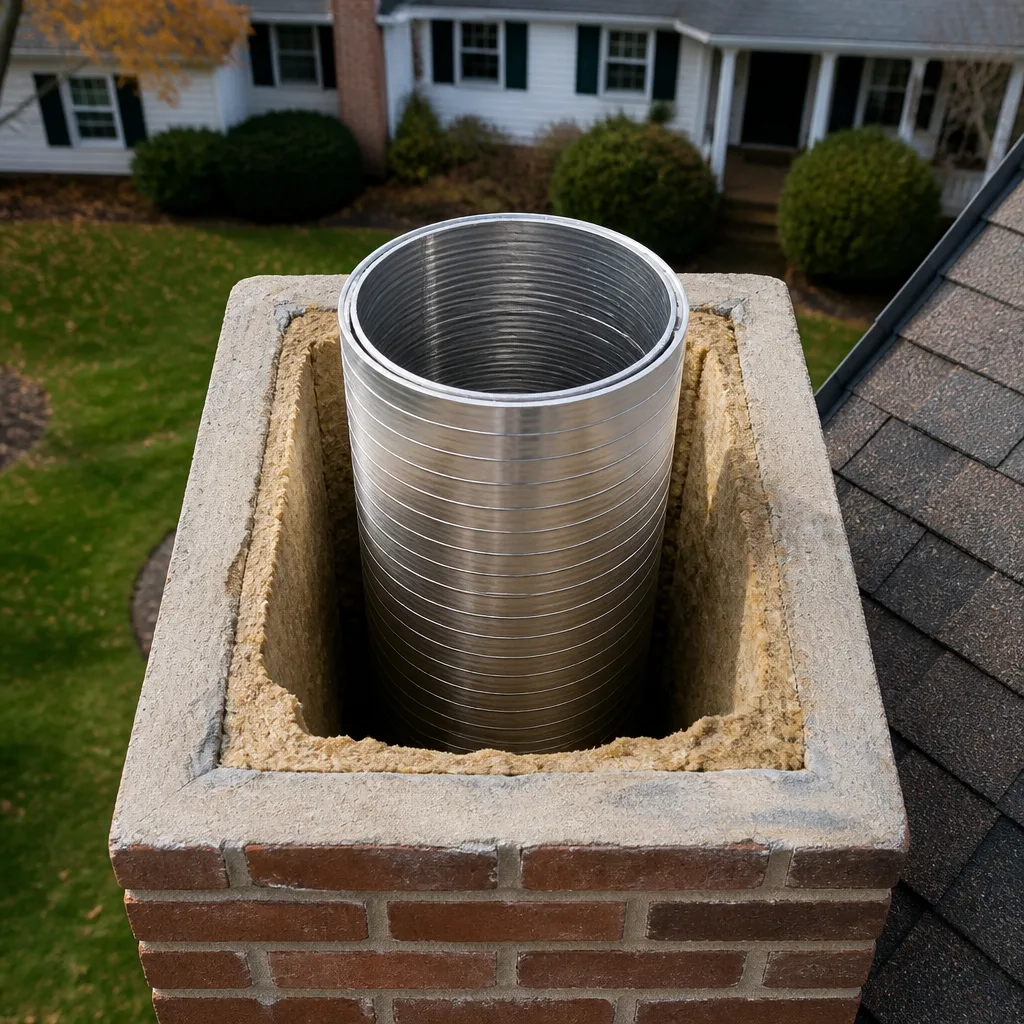 Flue relining
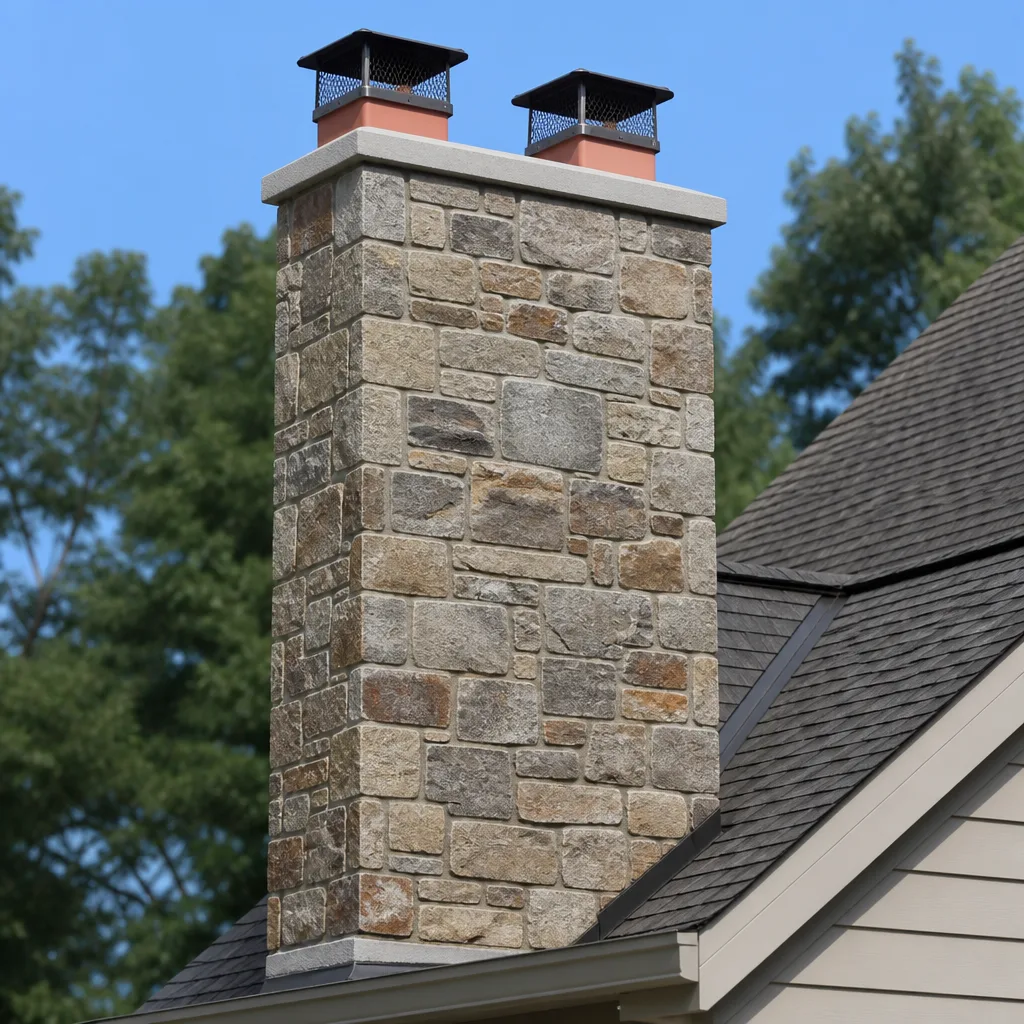 Masonry repair
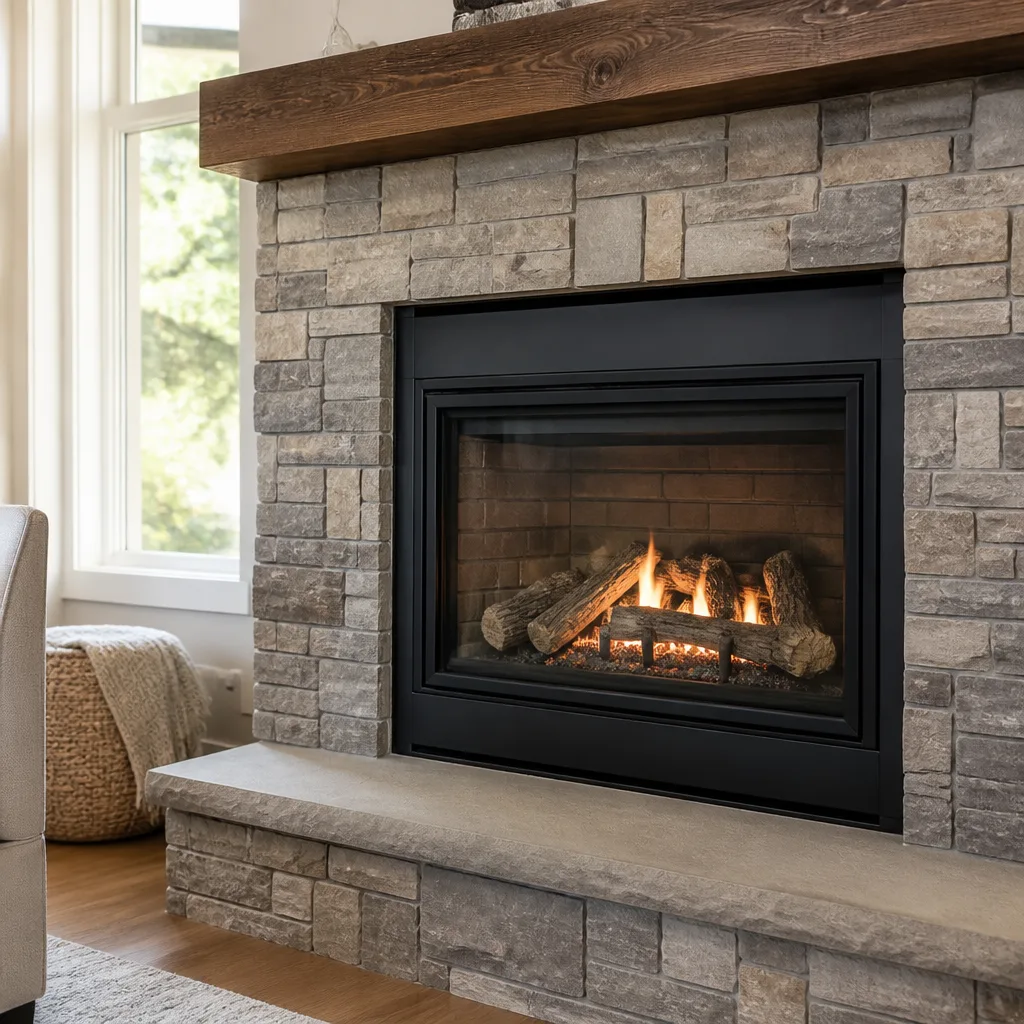 Gas fireplace service
Level 1 sweep and inspection to the NFPA 211 annual standard - flue, crown, cap, and flashing checked and photographed
Chimney sweep logs do not sweep chimneys. They loosen some creosote - which then falls where a brush and vacuum still have to collect it.
Chimney Sweep Maintenance Checklist for Moreno Valley Homeowners
A chimney that only gets used a handful of times each winter is not a low-risk chimney. It’s the opposite. In Moreno Valley, where fireplaces sit idle for eight or nine months a year, moisture creeps into flue tiles, pests build nests in cool dark flues, and minor earthquake tremors shift liner sections without anyone noticing. Heavy use in cold climates actually dries out a chimney and forces homeowners to look at it. Light use means problems go undetected until a fire exposes them. This guide gives you a maintenance schedule built for that reality: task-by-task, season-by-season, with the specific failure points Moreno Valley homes share.
Quick Answer
A Moreno Valley chimney needs a professional Chimney Sweep and inspection once a year, ideally in early fall before the first fire. Between inspections, homeowners should do monthly visual checks for cracks, staining, and debris, and always check the flue after Santa Ana winds and any earthquake over 3.0 magnitude. The annual sweep removes creosote and verifies the liner is intact; the homeowner checks catch damage between visits.
Table of Contents
- Why Low-Use Fireplaces Fail Differently in Moreno Valley
- The Annual Moreno Valley Chimney Maintenance Calendar
- Interior Checkpoints Homeowners Can Do Safely
- What Actually Requires a Technician on the Roof
- Seismic Activity and Chimney Liner Shifts
- Documentation Worth Keeping for Insurance and Resale
- Common Mistakes to Avoid
- When to Call a Professional
- Frequently Asked Questions
Why Low-Use Fireplaces Fail Differently in Moreno Valley
In colder climates, a fireplace burns wood four or five nights a week from October through March. That constant heat keeps the flue dry. Creosote still builds, but the thermal cycling is predictable, and homeowners see the chimney working. Problems announce themselves through poor draft or smoke backing into the room, so they get addressed.
Moreno Valley winters are mild. A typical household might light a fire ten or fifteen times in a season. The rest of the year, the chimney sits. During that idle stretch, several things happen simultaneously:
- Moisture absorption accelerates. Unused clay flue tiles absorb ambient humidity from the air. When temperatures drop overnight, that moisture expands inside the tile’s pores. Over years of idle seasons, this micro-fractures the tiles. A chimney that burns regularly dries its tiles through regular heat; one that sits does not.
- Pest intrusion goes unnoticed. Sparrows, raccoons, squirrels, and bees see an unused chimney as a sheltered cavity. A nest built in May can sit there until December. When the homeowner finally lights a fire, the nest ignites or blocks the draft entirely. We see this pattern constantly in Moreno Valley homes where the fireplace is a decoration most months.
- Wildfire smoke residue settles differently. When the air in Moreno Valley carries wildfire smoke from the San Bernardino National Forest or farther east, that particulate drifts into open chimney flues. It settles as a fine acidic film on the tile surface. This film attracts moisture and corrodes the tile mortar joints faster than clean air would. Homes near the Box Springs Mountain area or north of the 60 see this accumulation more than homeowners realize.
The takeaway: a fireplace used three times a year needs more attentive inspection than one used weekly, not less. The Chimney Sweep in Moreno Valley work we do routinely uncovers damage in chimneys that have barely been used since the home was built, and the damage is almost always moisture-related, not heat-related.
The Annual Moreno Valley Chimney Maintenance Calendar
This schedule is built around Moreno Valley’s actual seasons: the hot dry summer, the September-October wildfire window, the November-March burn season, and the occasional winter rain. Each checkpoint addresses a specific failure mode.
1. Pre-Fire-Season Inspection (September to Early October)
This is the non-negotiable one. Before the first fire of the season, someone needs to inspect the flue from top to bottom. The inspection should confirm:
- The flue liner is intact with no cracks, spalling, or missing mortar joints.
- The chimney cap and spark arrestor are seated correctly and not rusted or blown askew.
- The damper opens and closes fully and seals properly when closed.
- The firebox floor and refractory panels are in one piece, not crumbling.
- No bird nests, squirrel debris, or wasp nests are blocking the flue.
- The exterior crown has no cracks that would let water in during winter rains.
If creosote is over 1/8 inch thick anywhere in the flue, the chimney needs a sweep before first use; see our Chimney Sweep Troubleshooting: Common Problems and How to Fix Them for what to watch for. That depth is enough to sustain a chimney fire. We recommend homeowners in the Sunnymead, Towngate, and Moreno Valley Ranch areas book this inspection in September, before the sweep schedule fills up in November.
2. Monthly Visual Check During Burn Season (November through February)
Once you’re burning regularly, do a simple check before lighting a fire each time:
- Open the damper and look up with a flashlight. Is the flue clear, or is there a dark, shiny, tar-like buildup on the walls? Shiny or bubbled creosote is third-degree, the most dangerous kind.
- Check the firebox for cracked refractory panels or loose bricks.
- Light a match, blow it out, and hold the smoke near the open damper. If the smoke drifts up the flue, the draft is good. If it lingers or backs into the room, something is obstructing the flue.
- Check the exterior chimney from the ground. Look for spalling brick, crumbling mortar, or a misaligned cap.
3. Post-Santa-Ana-Wind Check (After High-Wind Events)
Santa Ana winds blow through the Moreno Valley with gusts strong enough to knock caps off chimneys or dislodge them a few inches. A misaligned cap leaves a gap where rain, birds, and embers get in. After any wind event over about 40 mph, walk outside and check the cap from the ground. If it sits flush and centered, you’re fine. If it’s tilted or missing, schedule a repair before the next rain.
4. Post-Rain Crown Assessment (December through March)
The chimney crown is the concrete slab at the very top that sheds water off the chimney. When it cracks, water seeps into the brick below. In Moreno Valley’s occasional but intense winter rains, a cracked crown can saturate the entire chimney chase in a single storm. After any significant rain, check for:
- New white staining (efflorescence) on the exterior brick or stone, which signals water moving through the masonry.
- Darker streaks running down from the crown, indicating active water penetration.
- Flakes of concrete at the base of the chimney when viewed from the ground.
- Damp smells in the firebox after rain, which suggest water has made it inside the flue.
5. Post-Burn-Season Shutdown (March to April)
When you’ve had your last fire of the season, do a final sweep or at minimum a visual inspection, then close the damper tightly. But do not seal the top of the chimney. A closed damper plus a breathable cap keeps moisture out while allowing airflow to prevent a musty sealed-off feel. Inspect the caulking around the flashing where the chimney meets the roof, checking from the ground with binoculars if possible. If the flashing is lifting or cracked, water is getting under it.
Interior Checkpoints Homeowners Can Do Safely
You do not need to get on the roof to gather useful information about your chimney’s condition. These interior checks are safe in ordinary use and tell you when to bring in a professional.
- Look at the flue with a flashlight from inside the firebox. You’ll only see a few feet up, but you can spot early signs of creosote scaling, broken tiles resting at an angle, or the fuzzy edges of a bird’s nest.
- Run your hand along the firebox walls. If the refractory panels crumble under light pressure or leave sandy dust on your fingers, they’re degrading. Loose panels need replacement, not shimming.
- Check the damper plate. It should sit flush in its frame when closed and open against light resistance. A damper that’s warped, rusted, or hard to move is a draft and smoke liability.
- Look for moisture streaks inside the firebox. Rust-colored stains running down from the throat suggest water is entering from the crown or flashing and finding its way down the flue wall. In Moreno Valley’s dry months, these stains eventually fade, but the damage underneath continues.
- Check the ceiling around the chimney chase. Discolored drywall, peeling paint, or a wallpaper seam lifting near the chimney tells you water is moving down the interior structure. This shows up most often in two-story Moreno Valley homes after a winter rain.
If any of these checks turns up something unexpected, call a sweep who can inspect the full length of the flue with a camera. The Chimney Repair in Moreno Valley work we do most often starts with a homeowner who saw a warning sign from inside and called before the damage spread.
What Actually Requires a Technician on the Roof
Some things simply cannot be seen or assessed from inside the house. These require someone who can safely access the roof and work with chimney-height hazards, and they’re jobs where a trained professional uses specialized tools and knows what to look for.
- Crown integrity. The crown is evaluated up close by running a finger or a screwdriver along the surface. Hairline cracks that are invisible from the ground are obvious once you’re standing above the chimney. If crack repair is deferred, water penetration accelerates the following winter.
- Flashing seal. Flashing is sheet metal that joins the chimney to the roofline. The caulk and sealant around it degrade under Moreno Valley sun, and the only way to evaluate it is to inspect it directly. A gap of even a quarter inch lets water run under the shingles and into the attic.
- Cap and spark arrestor seating. A cap that looks perfectly centered from the ground can be loose on its fasteners. High winds then rock it back and forth, enlarging the mounting holes until it eventually rips free. On-roof inspection catches this before it fails.
- Full flue scan. A camera scan from the top down reveals what a flashlight from the firebox cannot: the middle flue sections where heat and moisture damage are typically worst, the tile joints near the roofline, and any debris resting on the smoke shelf.
- Masonry spalling. Brick or stone surfaces that flake and shed layers need close evaluation to determine whether it’s surface weathering or structural spalling. The difference determines whether you need minor repointing or a more involved rebuild.
We never recommend against a homeowner doing their own interior checks. But roof access on a Moreno Valley two-story home combines height with an irregular roof pitch, and a fall from a chimney is not worth what a ladder can tell you. Having a technician do the on-roof assessment once a year is the safer and more complete choice.
Seismic Activity and Chimney Liner Shifts
Moreno Valley sits within the influence of the San Jacinto fault zone and the larger San Andreas system. Most tremors are minor, but even a 3.5 magnitude quake centered a few miles away sends a measurable jolt through a masonry chimney. Here’s what homeowners need to know about what that does.
Clay tile liners are stacked sections, each about two feet long, set in mortar. The mortar joints are the weak points. A 3.5 quake can crack a mortar joint, shift a tile out of alignment, or separate the liner from the surrounding brick. The chimney might look completely fine from the street. From inside the flue, there’s now a gap where heat, gas, and creosote can escape into the chimney chase. That’s the anatomy of a house fire that starts inside a wall cavity, far from the firebox.
Homeowners in Moreno Valley should do the following after any earthquake strong enough to rattle windows:
- Do a quick exterior check for visible cracks in the chimney structure, especially at the roofline and crown.
- Look inside the firebox for dust that has fallen from above, indicating movement in the flue.
- If the home is older with an unlined or clay-lined chimney, have the flue camera-scanned before the next fire. Liner shifts of even an inch create a code violation and a fire risk.
- If the home has a metal liner, the concern shifts to the lining’s connection points at the top and bottom. These are also worth a post-quake professional check.
In our experience, Moreno Valley homeowners underestimate this because the quakes are rarely dramatic. But we’ve seen flues where a tile shifted an inch and a half without any visible exterior damage. The homeowner had no idea until a camera scan caught it. If your chimney hasn’t been scanned since the last strong tremor, the scan is cheaper than a wall fire.
Documentation Worth Keeping for Insurance and Resale
Chimney records are the kind of paperwork people think they’ll never need until an adjuster asks for it, or a home inspection flags the fireplace as an open question. In Moreno Valley’s real estate market, where homes change hands regularly across neighborhoods like Hidden Springs, Rancho Belago, and Sunnymead Ranch, having a paper trail makes a difference; our guide on Choosing the Right Chimney Cleaning Brand: A Buyer’s Guide for Moreno Valley explains what to document.
Keep the following:
- Sweep and inspection invoices. Each one shows the date, the condition found, and what was done. A series of clean inspection reports over several years signals to a buyer that the chimney has been maintained, not neglected.
- Camera scan images or video. If your sweep performs a camera scan, ask for the images. They’re unambiguous evidence of liner condition at a moment in time.
- Repair records with materials used. If you’ve had liner work done, a crown repair, or flashing replacement, keep the invoice showing what material was used. FOr example, a HeatShield cerfractory liner restoration or a DuraFlex stainless liner installation is verifiable when documented, and it tells the next buyer the work was done to a professional standard, not patched.
- Post-seismic inspection notes. If you had the chimney checked after an earthquake, keep that record. It shows diligence and may be useful if a later structural question arises.
- Photos of the chimney exterior taken once a year from the same angle. They create a visual timeline of any masonry movement or crown deterioration.
When a home with a fireplace sells, the standard disclosure form asks about known defects. Having these records lets you answer accurately. If a buyer’s inspector flags something and you have a camera scan from eight months prior showing a clean flue, you’ve just preserved the sale price.
Common Mistakes to Avoid
- Assuming no fire means no maintenance. This is the most common and most damaging error in Moreno Valley. A fireplace that hasn’t been used still accumulates moisture damage, pest intrusion, and liner deterioration. The annual scan is for the chimney, not the fire habit.
- Skipping the cap check after wind events. Moreno Valley gets enough strong wind to dislodge caps every season. A cap that’s slightly off-center lets rain through, and the homeowner doesn’t notice until the next inspection turns up water damage.
- Treating the damper as optional. An open or stuck damper during the summer lets cooled air escape (or hot air infiltrate) and provides a direct corridor for pests. It also lets moist air circulate through the flue. Fixing a sticky damper is quick and comparatively inexpensive; ignoring it costs energy money and invites intrusion.
- Trusting a sweep’s visual-only report without a camera scan. A visual inspection from the firebox or roof sees maybe a third of the flue. If a sweep tells you the liner is fine without a camera scan, ask how they know. The answer tells you whether you’re dealing with real inspection or a surface clean.
- Deferring crown repairs until “next year.” A cracked crown doesn’t stay the same size. Each winter rain widens the crack. What could be sealed in an afternoon becomes a masonry rebuild if left for two or three years. In Moreno Valley, with short but intense rain events, the window of repair is short.
- Burning unseasoned wood because it’s available. Wet wood produces smoke at lower temperatures, and that smoke condenses as creosote far faster than dry wood. In Southern California, access to properly seasoned firewood is patchier, so homeowners buy what’s available and burn it too soon. If your wood isn’t seasoned at least six months and kept dry, expect faster creosote accumulation.
- Ignoring the dryer vent because it’s not a “chimney.” Lint-clogged dryer vents are a leading cause of residential fires, and they share the same ventilation neglect pattern as unused fireplaces. A Dryer Vent Cleaning in Moreno Valley should be part of the same annual maintenance rhythm.
When to Call a Professional
Call a chimney professional when you see rust streaks inside the firebox, notice a burning smell that isn’t the wood, hear a draft when the damper is closed, or see flakes of concrete at the base of the chimney after a rain. These are signs the chimney is already compromised. Also call after any earthquake over 3.0 magnitude if you haven’t had the flue scanned since. A repair-grade chimney company will camera-scan the flue, show you the images, and explain what actually needs fixing and what can wait. Mantel Chimney Sweep home offers free estimates in Moreno Valley. Call (844) 821-5749 and we’ll schedule a full inspection, camera scan included, and show you exactly what’s happening inside your flue before recommending any work.
Frequently Asked Questions
Once a year, regardless of how often you use the fireplace. A chimney in Moreno Valley that’s used ten times a season still needs an annual sweep and inspection because creosote buildup isn’t the only issue. The sweep removes what’s there; the inspection catches moisture damage, pest intrusion, liner shifts, and crown cracks that develop during the long idle season.
Yes, and in some ways you need it more than a nightly burner. Infrequent use lets moisture, pests, and seismic shifts do their work without heat to expose them. A chimney that’s inspected annually catches these problems early. A chimney that’s ignored because it’s “barely used” is the one that has a flue fire the one time it is used.
Chimney sweeping in Moreno Valley typically runs between $180 and $340 depending on chimney height, flue condition, and whether you have a wood-burning fireplace, insert, or stove. The camera scan is sometimes an add-on and sometimes included. Call (844) 821-5749 for an exact quote. Estimates are free, and we’ll tell you the flat price before booking anything.
Creosote builds in layers. What starts as fine dust becomes tar-like and eventually glossy and hardened. At that point the flue needs mechanical removal or chemical treatment before it’s safe to burn. Meanwhile, undetected liner cracks worsen. The longer a chimney goes without a sweep, the more likely you’re looking at repair work rather than just a cleaning. The expense escalates.
Yes. Strong gusts dislodge or shift chimney caps, carry wildfire smoke particulate into the flue that settles as acidic residue, and drive rain horizontally through any gap in the flashing. Moreno Valley homes in exposed areas like the north slopes feel this more. A quick ground-level cap check after high-wind events costs nothing and catches the most common wind damage.
Yes. Clay tile liners are stacked segments joined by mortar. Even a 3.5 magnitude tremor can crack a joint or shift a section. The damage is invisible from outside and only shows on a camera scan. If you’ve felt an earthquake strong enough to rattle windows and haven’t had your flue scanned since, do it before your next fire.
We offer full repair capability, not just sweeping. That includes crown repairs, flashing replacement, refractory panel replacement, and flue liner restoration using HeatShield cerfractory sealant or full relining with DuraFlex stainless steel systems. The difference matters: when an inspection turns up damage, we can fix it rather than handing you a report and leaving you to find someone who can.
The Bottom Line
A Moreno Valley chimney’s real enemies are not flames and heat but stillness, moisture, wind, and seismic movement. The maintenance checklist that works here is built around those realities: an annual pre-fire-season inspection, a camera scan, monthly interior checks during burn season, a cap check after Santa Ana winds, a crown assessment after each winter rain, and a post-quake verification if the earth moves. The homeowner catches early warning signs; the professional verifies liner integrity and repairs what’s failing. For additional help, browse our more guides & resources. That division of labor keeps a chimney safe for decades without over-maintaining it. The cost of this routine is modest. The cost of a chimney fire or a water-damaged chase is not.
Written by the team at Mantel Chimney Sweep, serving Moreno Valley since 2018.
Styles & brands we work with
See the difference
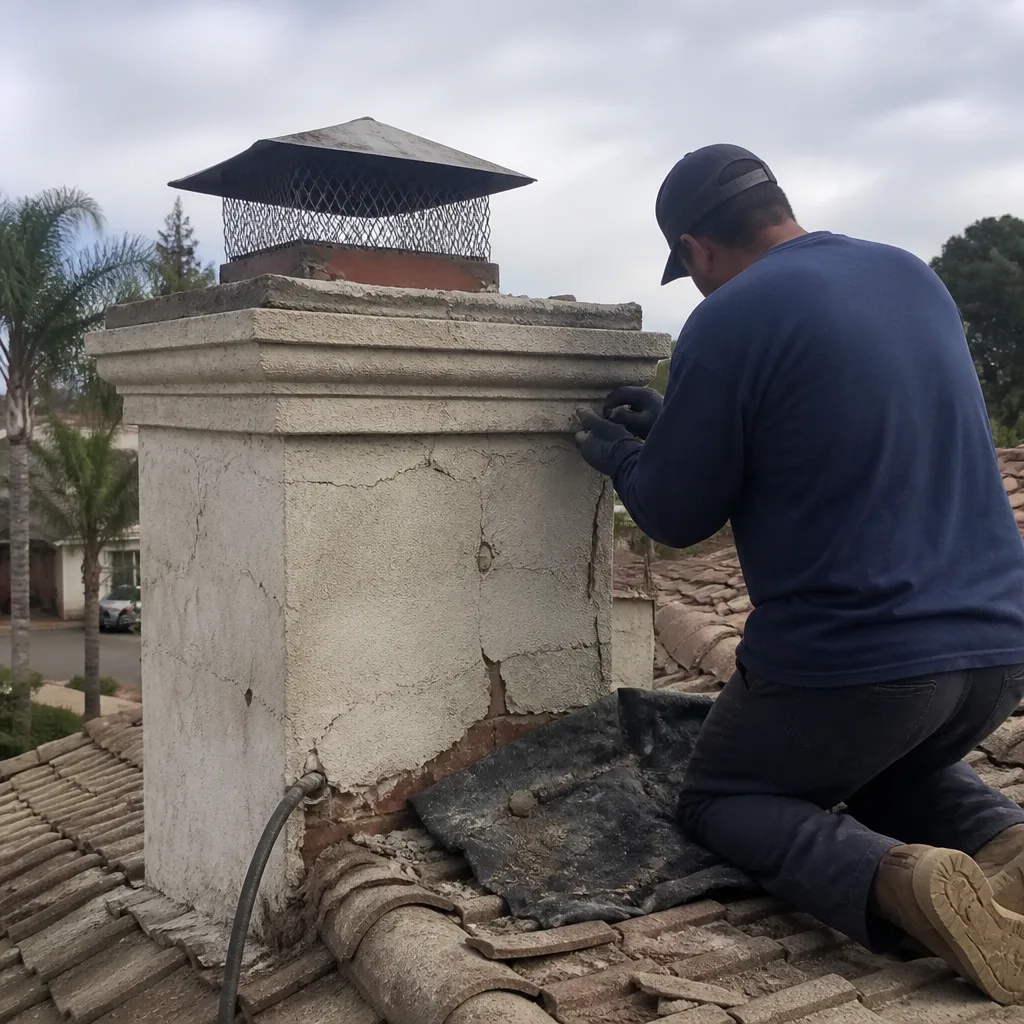 Before
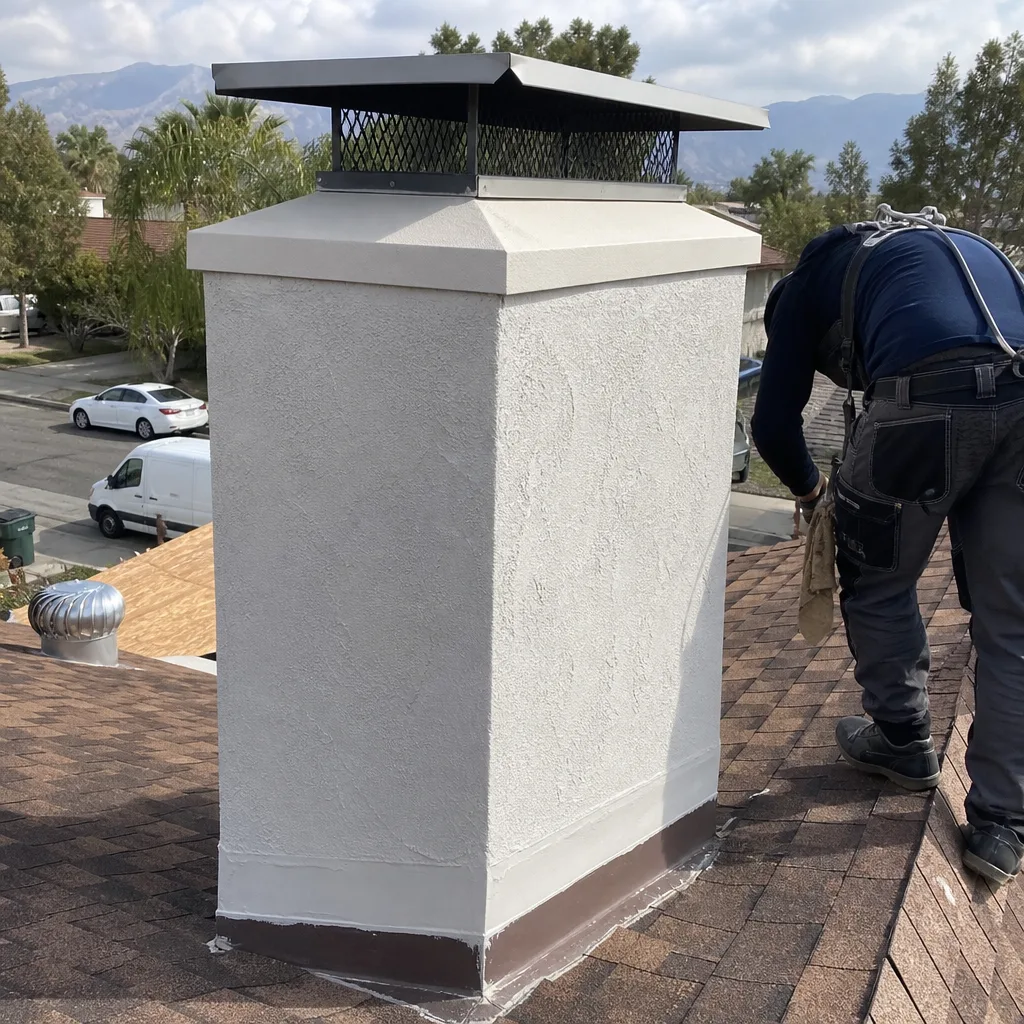 After
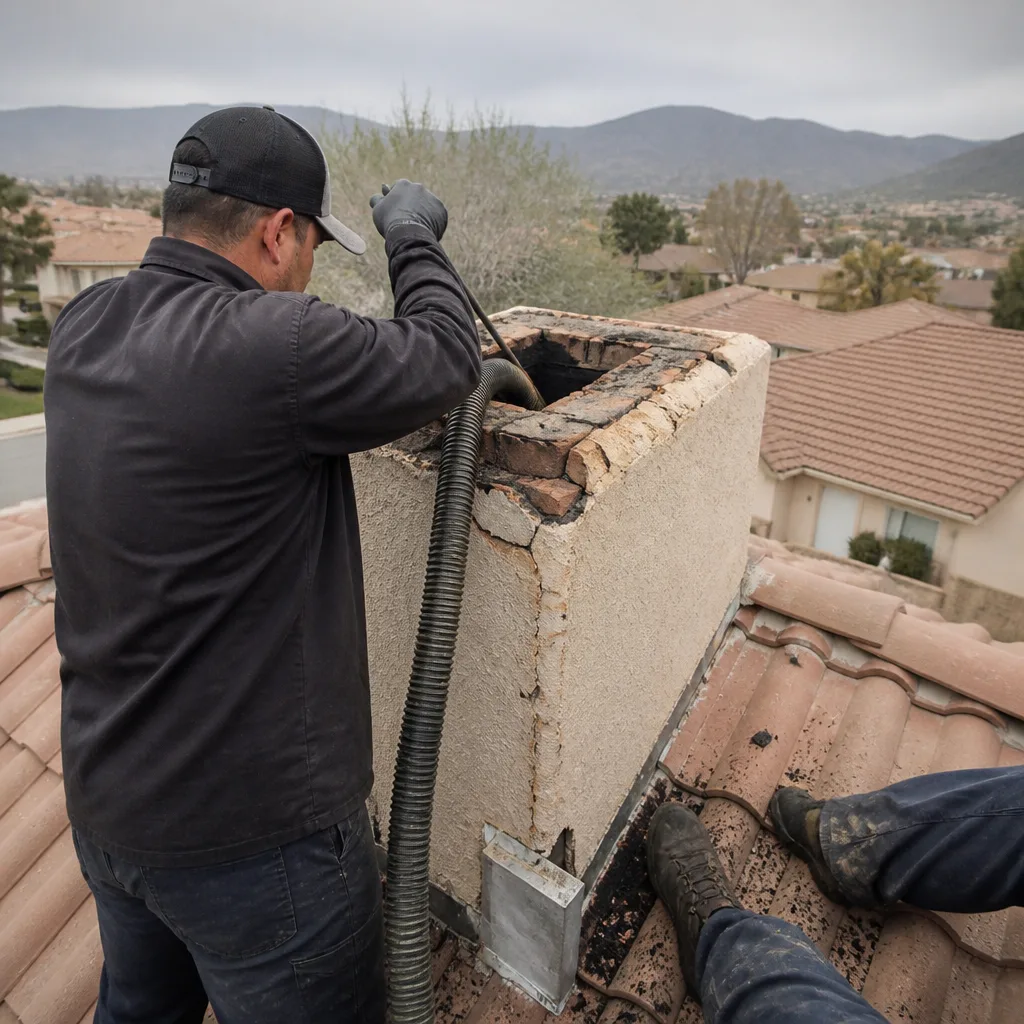 Before
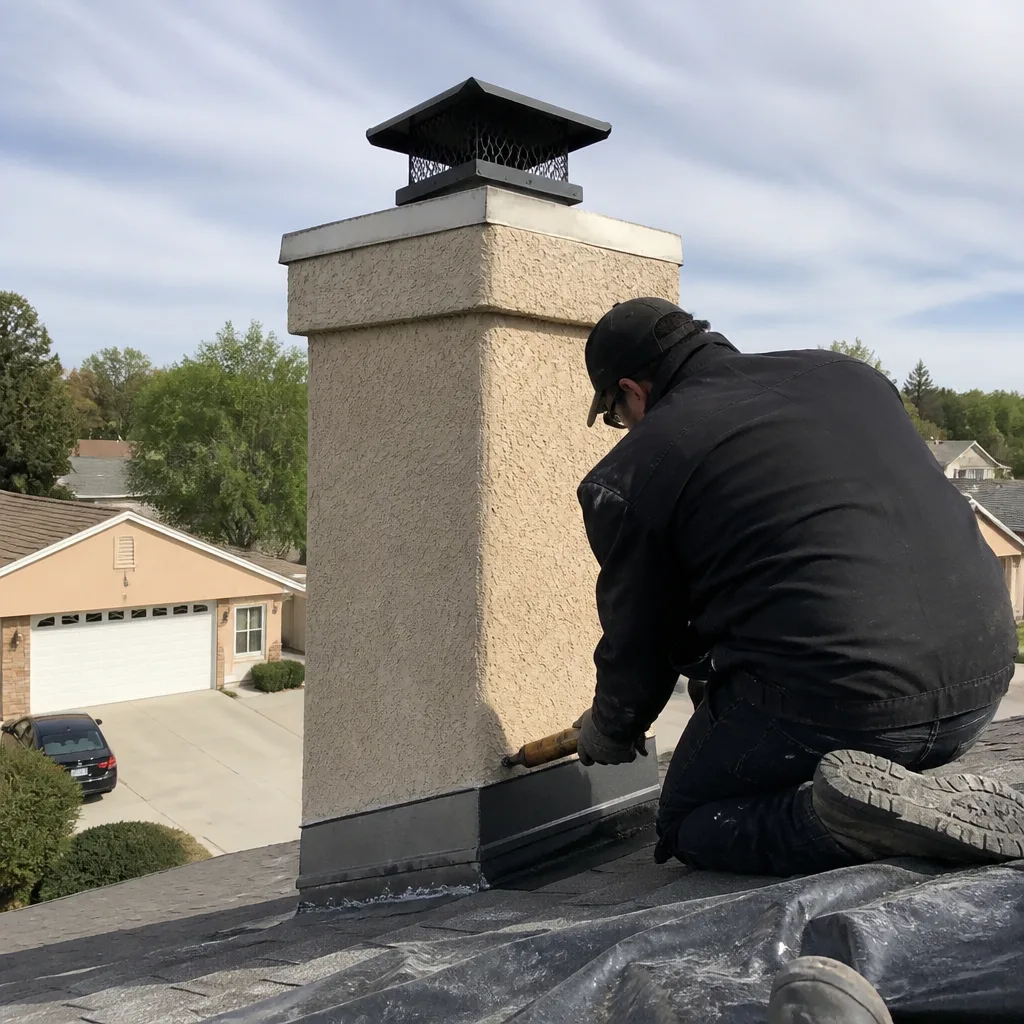 After
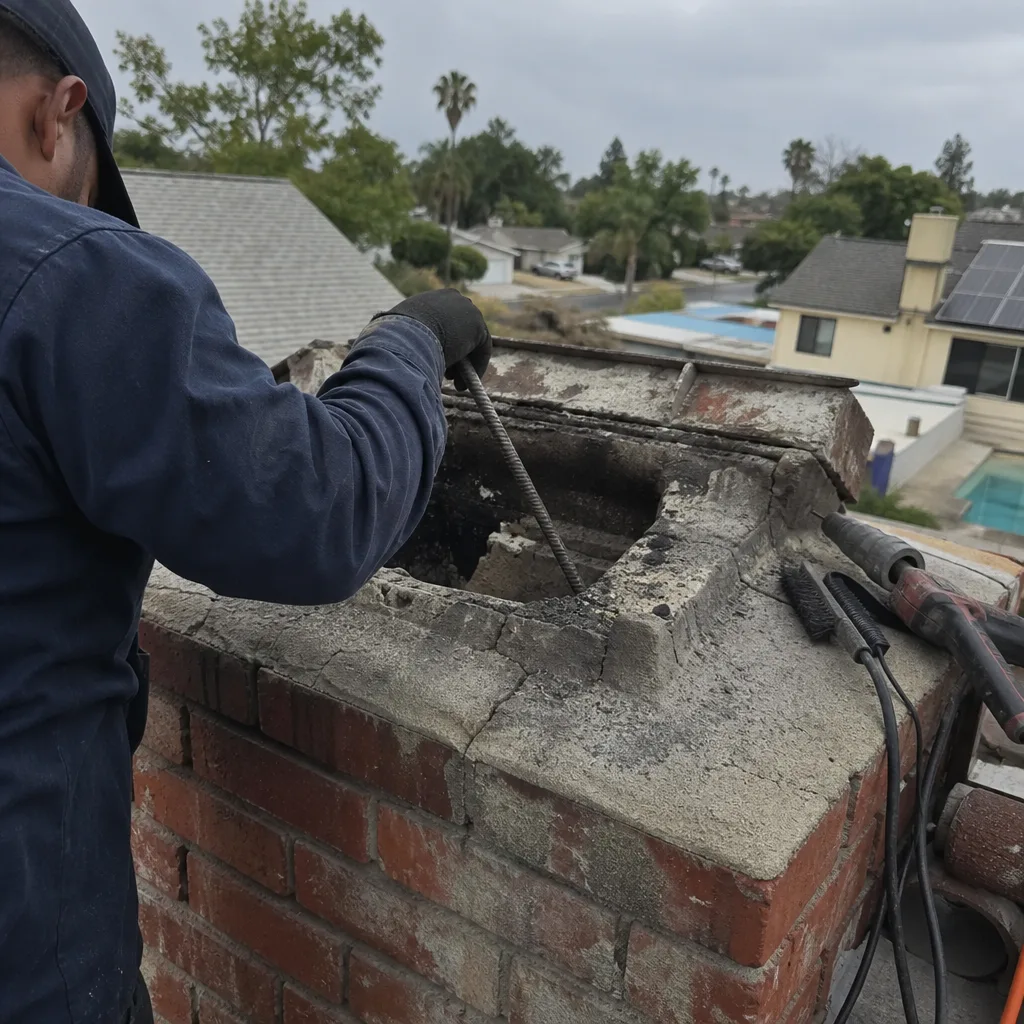 Before
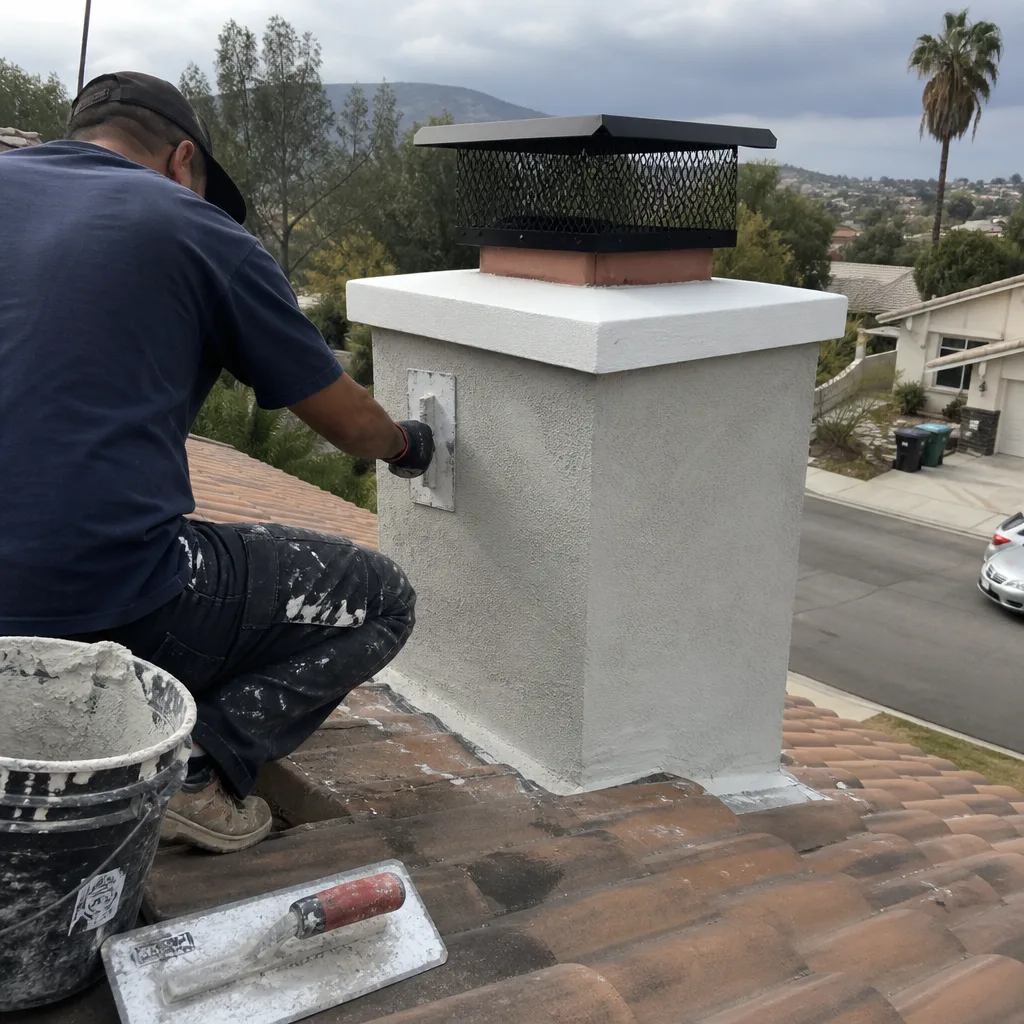 After