
Last updated October 30, 2026
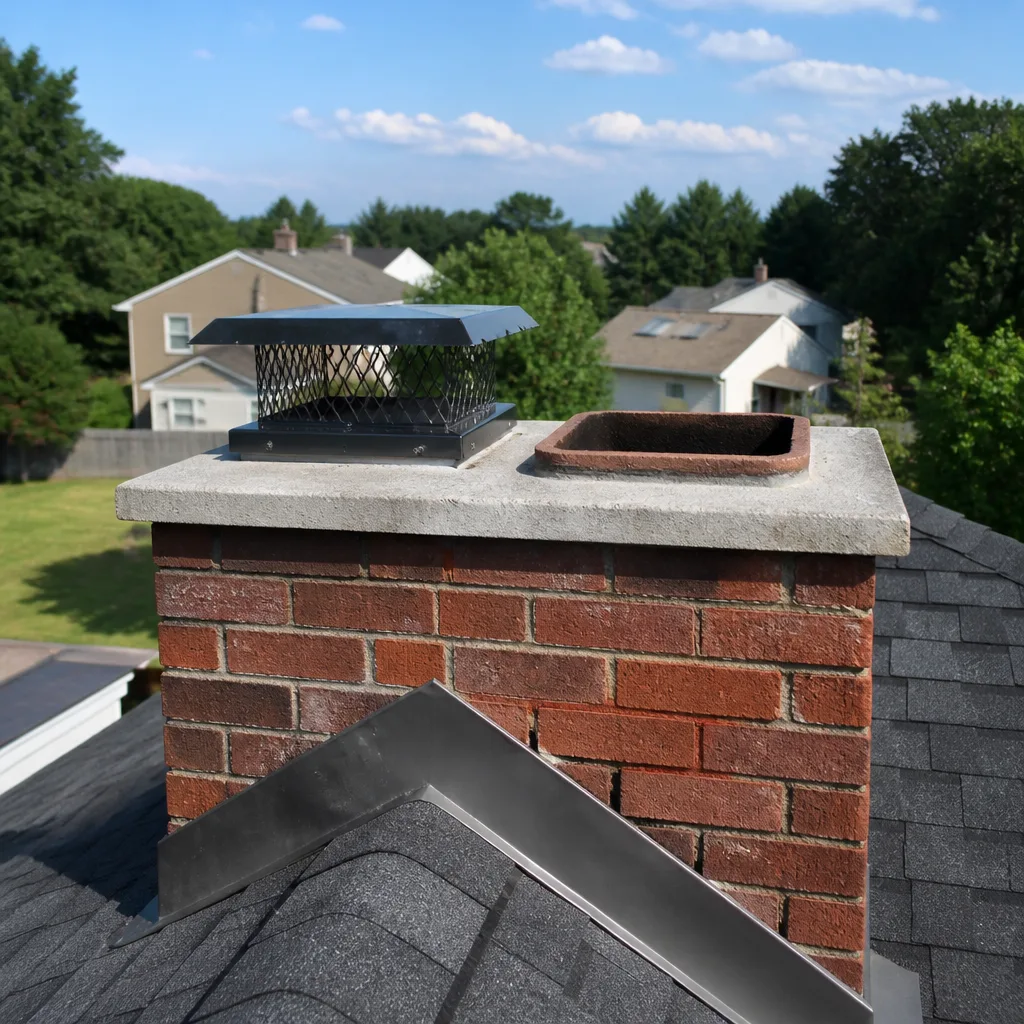 Sweep & inspection
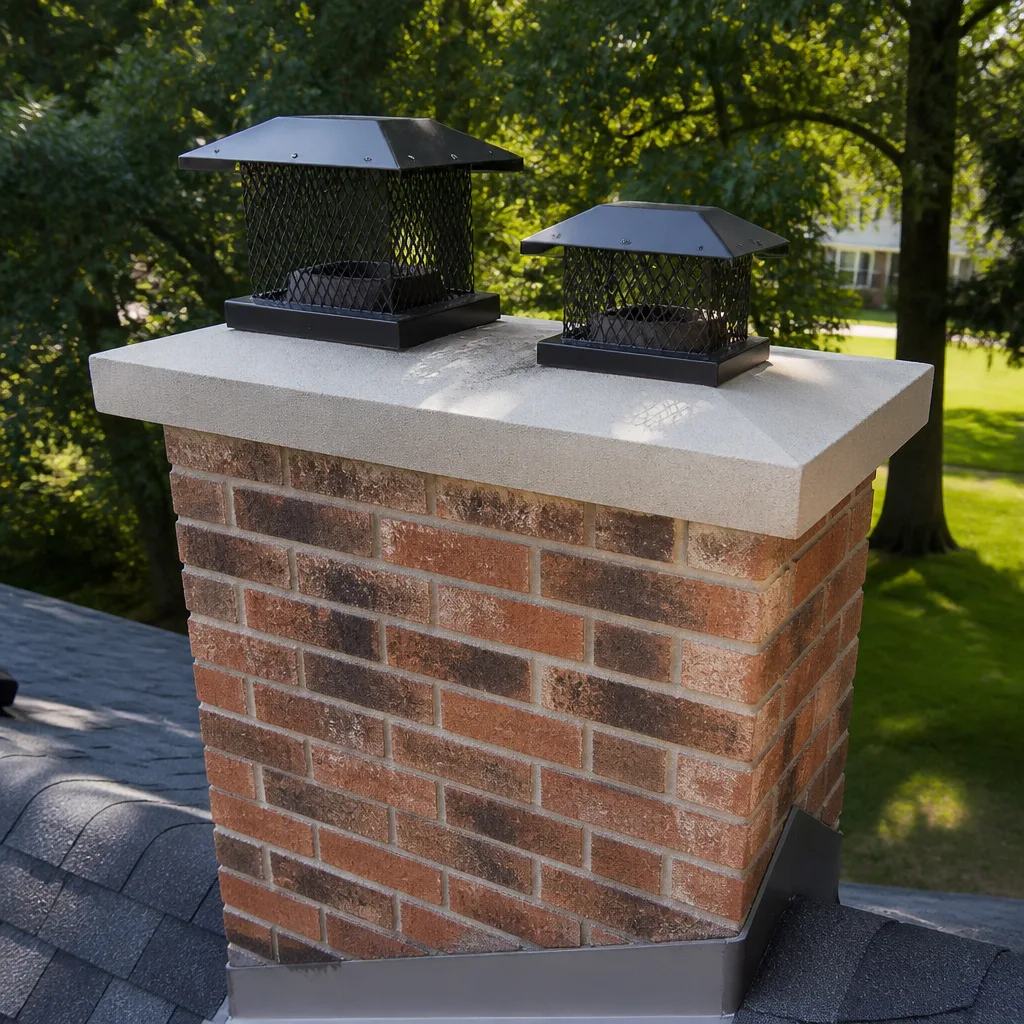 Caps & crowns
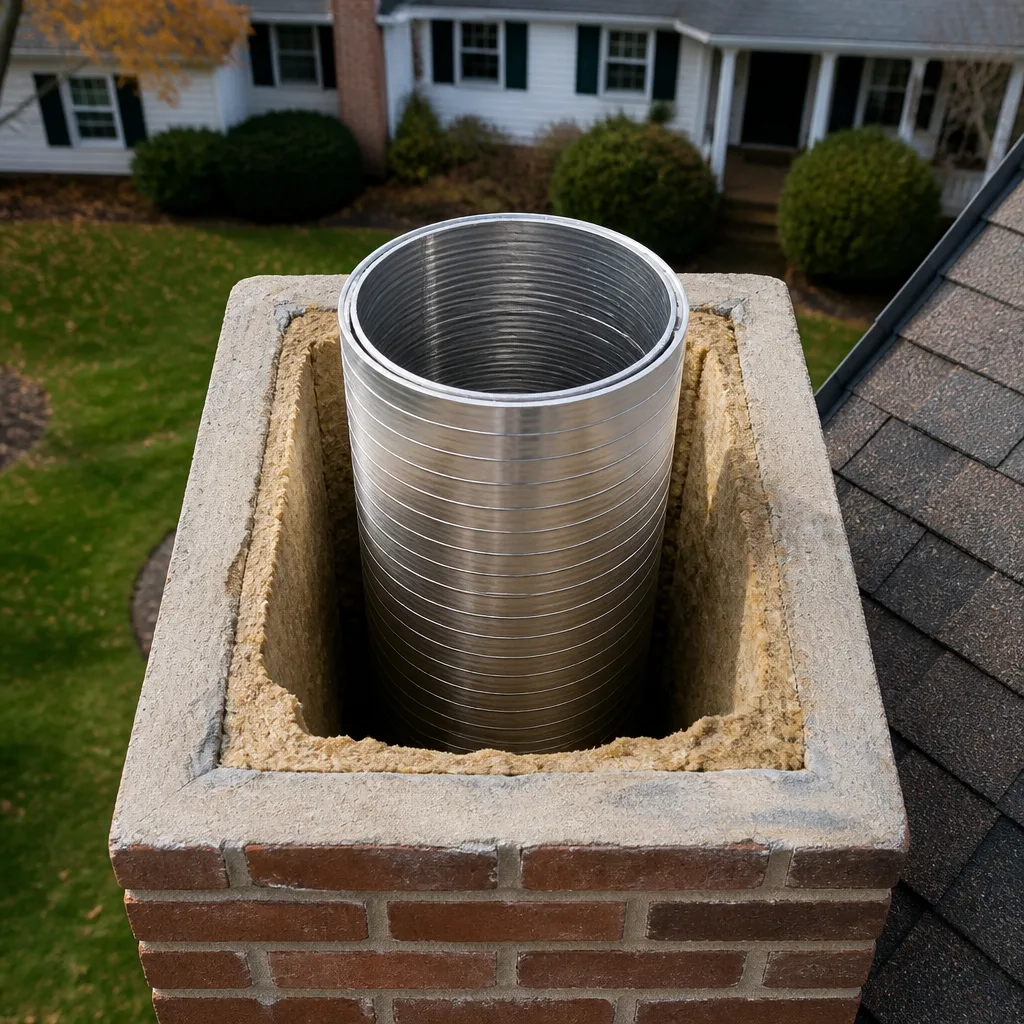 Flue relining
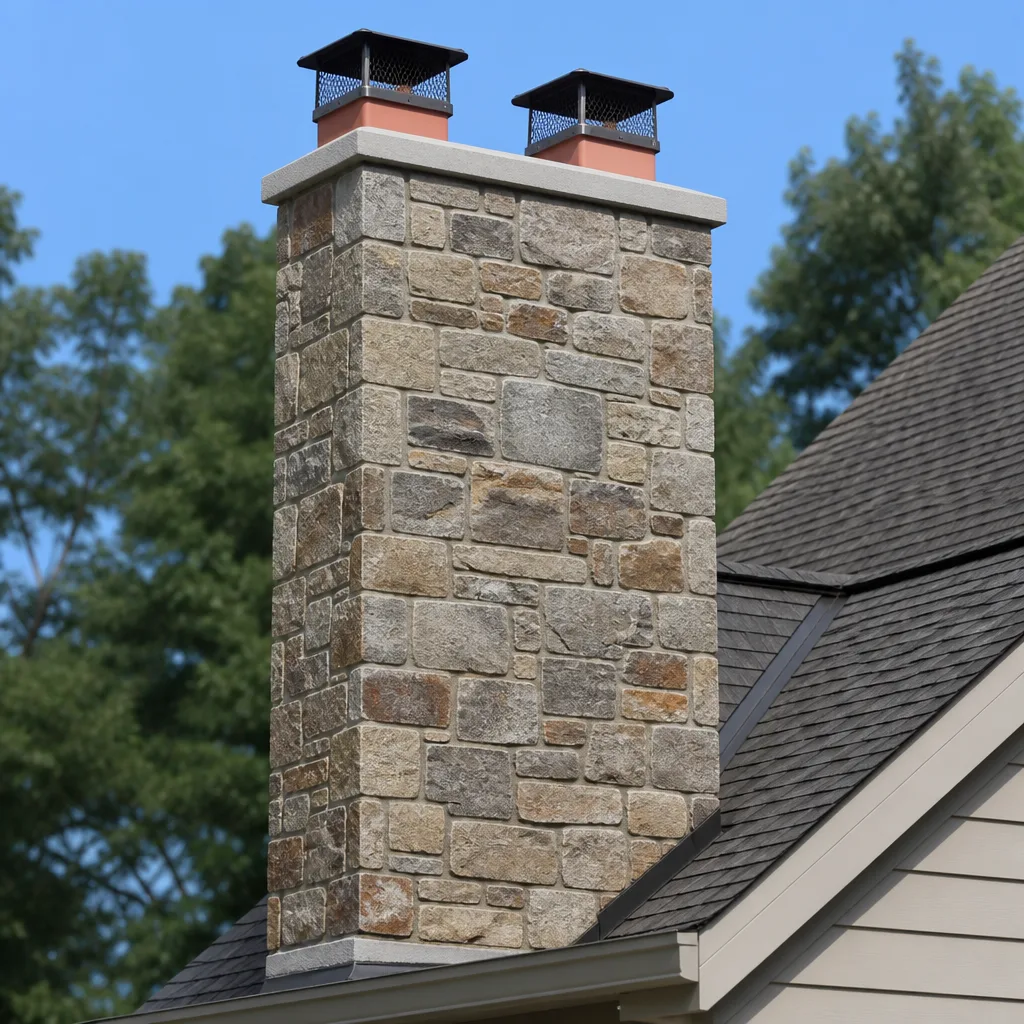 Masonry repair
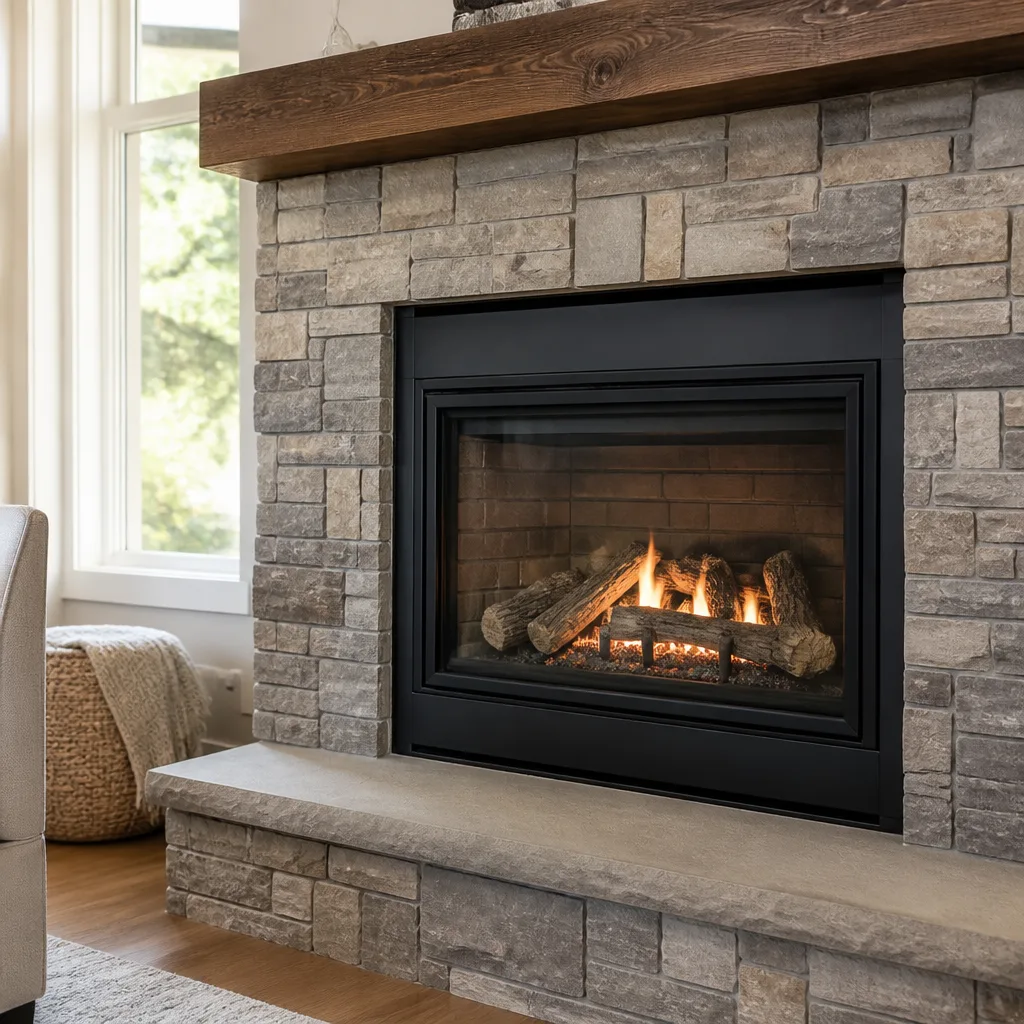 Gas fireplace service
Level 1 sweep and inspection to the NFPA 211 annual standard - flue, crown, cap, and flashing checked and photographed
Chimney sweep logs do not sweep chimneys. They loosen some creosote - which then falls where a brush and vacuum still have to collect it.
Chimney Cleaning Permits, Codes & Inspections in CA: What You Need to Know
Most California homeowners assume any work on a chimney requires a building permit. That assumption is wrong in one direction and dangerous in the other. A routine sweep is explicitly permit-exempt in virtually every jurisdiction in the state, including Moreno Valley. But install a new flue liner or rebuild a firebox without pulling the right paperwork, and you’ve potentially voided your homeowner’s insurance coverage for any fire damage that originates in that chimney. This guide walks through exactly where the legal lines fall under California Building Code, what Riverside County and Moreno Valley enforce beyond the state baseline, and what a properly documented chimney inspection actually protects you from. For Chimney Sweep Troubleshooting: Common Problems and How to Fix Them, see our dedicated guide.
Styles & brands we work with
Quick Answer
Routine chimney cleaning and Level 1 inspections are permit-exempt throughout California. Work that alters the chimney’s structure, flue, or firebox, including full liner replacement and masonry rebuilds, triggers a building permit under the California Building Code and requires inspection by the local building authority. Sweeping never requires a permit; leaving required repair work uninspected is what creates legal and insurance exposure. For a full breakdown of routine tasks, see our Chimney Sweep Maintenance Checklist for Moreno Valley Homeowners.
Table of Contents
- Cleaning vs. Repair: Where California Draws the Line
- Permit-Exempt Chimney Services Under California Code
- Chimney Work That Triggers a Permit in CA
- Title 24 Energy Code and Your Fireplace
- Riverside County and Moreno Valley Enforcement
- Level 2 Inspections: When They’re Legally Required
- How to Request and Read Inspection Records
- Common Mistakes to Avoid
- When to Call a Professional
- Frequently Asked Questions
- The Bottom Line
Cleaning vs. Repair: Where California Draws the Line
The single most important distinction in California chimney code is between maintenance and modification. Maintenance, which includes sweeping, creosote removal, minor component replacement, and Level 1 inspections, does not require a permit. Modification, which includes structural changes, liner replacement, firebox rebuilding, and flue resizing, does. The California Building Code (CBC), specifically Chapter 1, Section 105, exempts certain work from permit requirements, but the exemptions are narrow and specific. Understanding this boundary matters because doing repair work without a permit where one is required means the work was never inspected. Uninspected work leaves no official record that materials were installed per code. That gap in documentation is precisely what insurers use to deny chimney-fire claims.
In Moreno Valley, as in most of California, the practical test comes down to whether the chimney’s function or structure changes. Sweeping removes combustible deposits from existing surfaces. It alters nothing. Installing a damper, replacing a liner, or converting a fireplace from wood-burning to gas changes how the system operates, and that change is exactly what building departments want to review.
The Practical Breakdown
- Cleaning and sweeping: no permit, no inspection, ever.
- Camera inspection alone: no permit, and no code requirement to do one before cleaning.
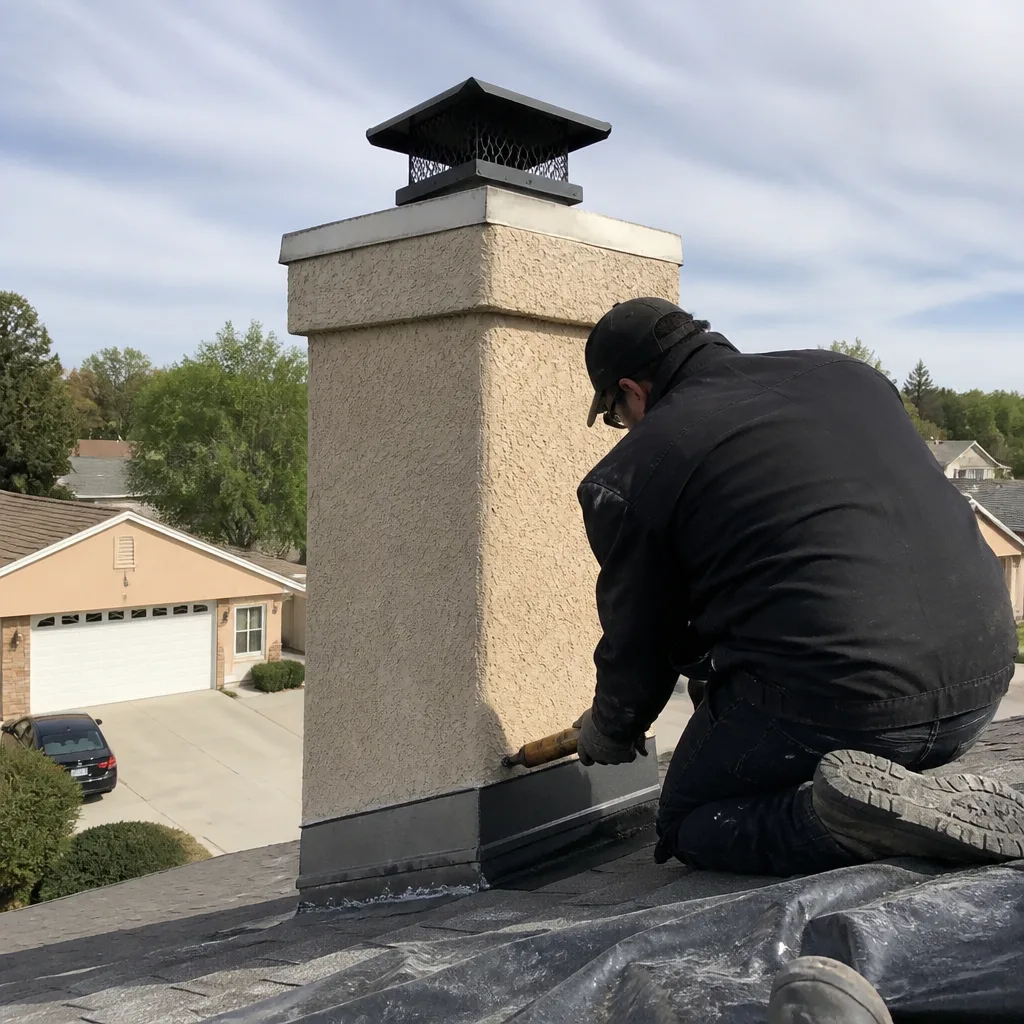
- Minor repairs like replacing a chimney cap, resealing a crown, or repointing a few bricks: generally permit-exempt under the CBC’s ordinary repair clause, but always confirm with your local building department.
- Structural or flue repair: permit required. This includes partial rebuilds, liner replacement, firebox rebuilding, or any change to the flue’s diameter, material, or path.
We’ve seen the line get blurry for homeowners in Moreno Valley’s older neighborhoods, where chimneys from the 1960s and 1970s are due for substantial work. Our Chimney Cleaning Warning Signs: A Moreno Valley Homeowner’s Reference Guide can help you spot problems early. The age of the home doesn’t change the permit requirement, but it raises the odds that needed work crosses from maintenance into modification territory.
Permit-Exempt Chimney Services Under California Code
California Building Code Section 105.2 lists the work that does not require a permit. For chimneys, the relevant exemptions include ordinary repairs to existing structures, which the code defines as repairs that do not affect the structure, egress, fire protection systems, or the health and safety of occupants. The key language is that ordinary repairs must not change the system’s original configuration or impair its function. A sweep clearly qualifies. So does replacing a damaged chimney cap with a like-for-like unit, repointing a small section of brick where the underlying structure is sound, and applying a sealant to a minor crown crack.
What You Can Do Without a Permit in California
- Chimney sweeping of any flue type: wood, gas, or oil. No jurisdiction in California requires a permit for cleaning. This includes professional mechanical sweeping with rotary tools and hand brushing.
- Level 1 inspection when no changes are being made to the system. A Level 1 inspection is visual, non-invasive, and does not require a permit anywhere in California.
- Chimney cap replacement when the new cap matches the existing flue size and the flue itself is not being modified. We frequently replace damaged caps on Moreno Valley homes without pulling a permit because the flue condition is unchanged.
- Crown resealing using a compatible sealant where the masonry crown is intact and only surface-level water intrusion has occurred. This is an ordinary repair under CBC.
- Dryer vent cleaning is not a chimney code issue at all, but it is governed by the California Mechanical Code. No permit is required to clean a dryer vent, regardless of its length or configuration. This often surprises homeowners, but the code does not place cleaning under the permit umbrella.
The common thread in every permit-exempt service is that the work is restorative, not structural. If a technician is bringing surfaces back to their original condition, no permit applies. If the technician is changing what the chimney is or how it operates, the picture changes completely.
Chimney Work That Triggers a Permit in CA
Under CBC Section 105.1, any work that alters a chimney’s structure, changes the flue, rebuilds the firebox, or modifies the system’s function requires a building permit. This applies regardless of whether the work is done by a licensed contractor or a homeowner. In practice, the services most often done without required permits in California are liner replacements and firebox rebuilds, largely because homeowners assume these are repairs rather than modifications. The Centralized Building Inspection Bureau in Moreno Valley follows the same standard, and unpermitted work can be flagged during a home sale or insurance inspection.
Work That Requires a Permit in California
- Full flue liner replacement, whether you’re installing a rigid stainless steel liner, a poured-in-place system, or a clay tile rebuild. The liner is a critical fire-protection component, and California building departments want it inspected.
- Firebox replacement or rebuild where the masonry firebox is substantially reconstructed. This includes installing a new refractory panel system that changes the firebox dimensions or material specifications.
- Wood-burning to gas conversion that involves a new gas line, a new venting path, or a new insert. The gas line itself is a separate mechanical permit, and the flue modification requiring a chimney permit is almost always part of the conversion.
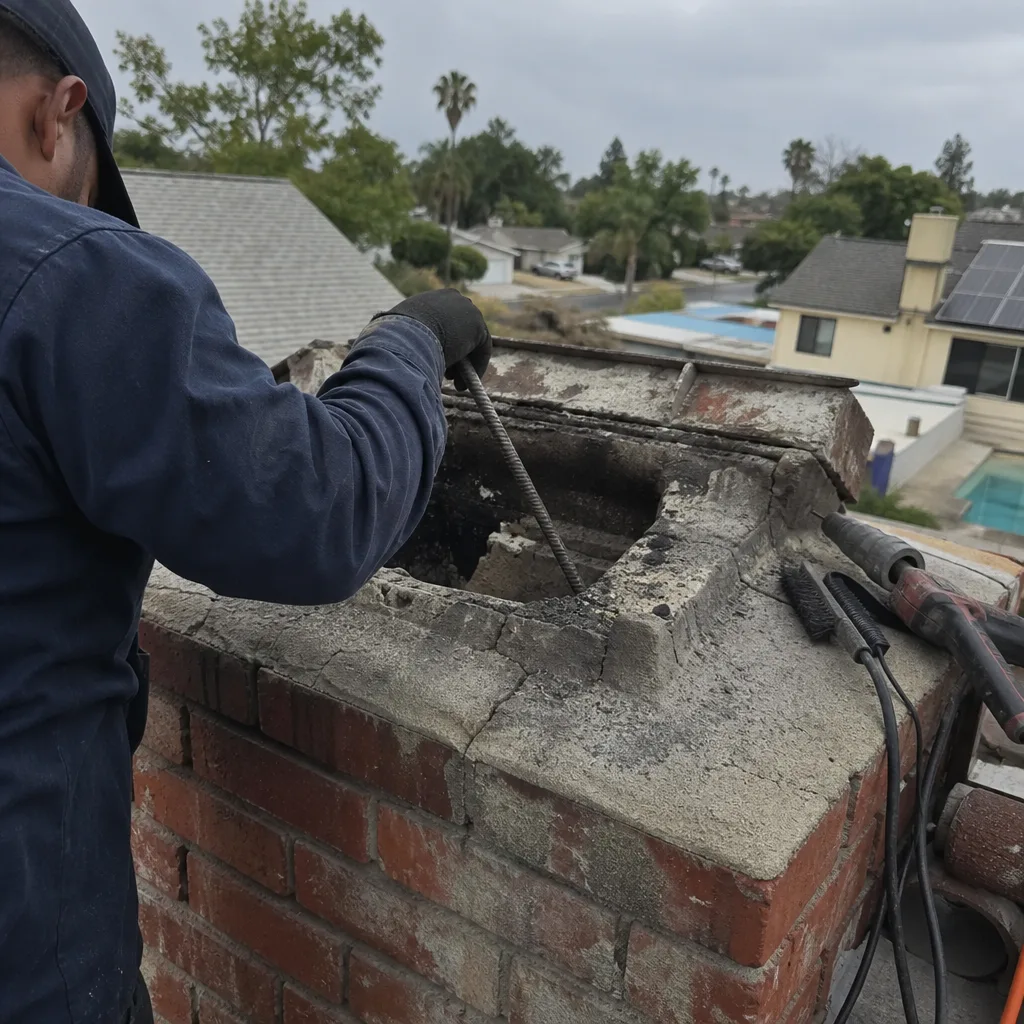
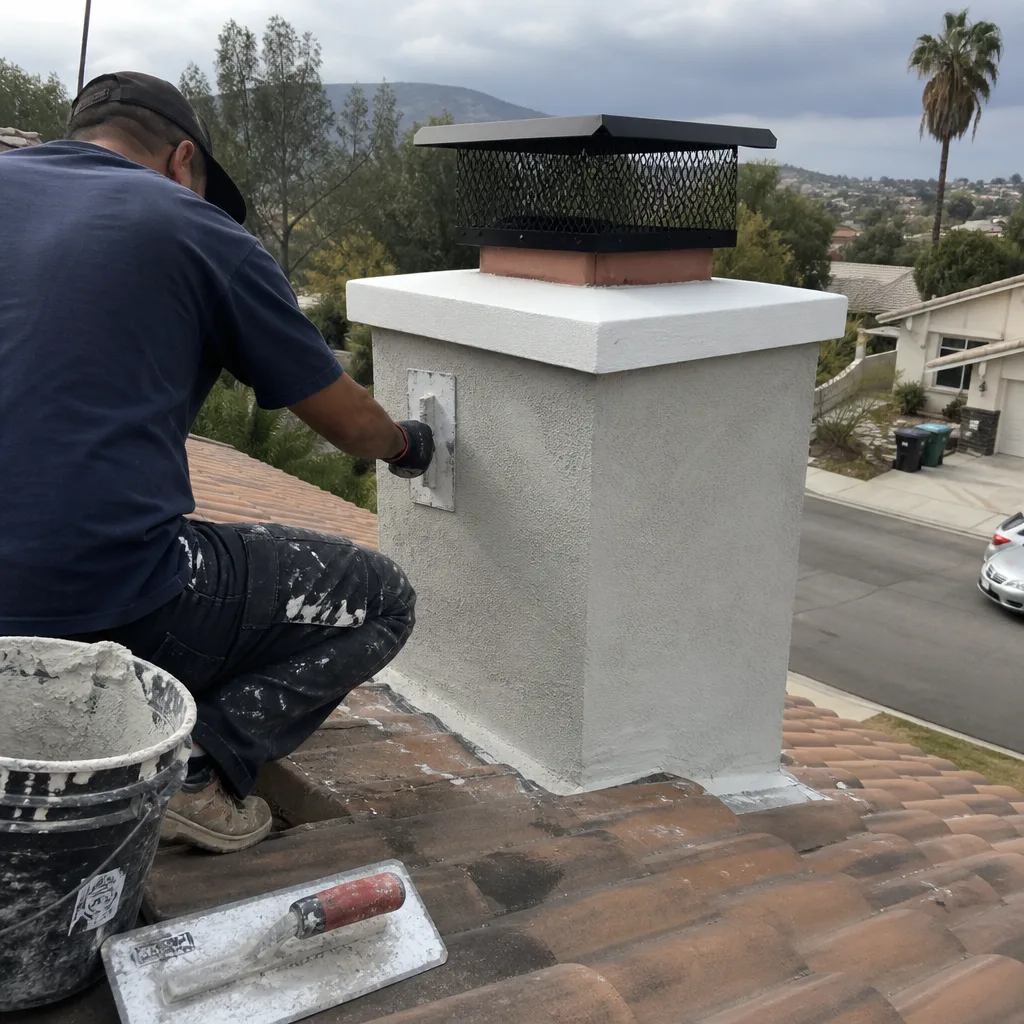
- Masonry chimney rebuilds above the roofline where more than a small section is dismantled and reconstructed. Partial chimney rebuilds cross the ordinary repair threshold when the work affects structural stability.
- Installation of a new chimney or the removal of an existing one in whole or in part. These are structural changes and are always permit-required.
- Flue resizing or rerouting to accommodate a new appliance. The California Mechanical Code requires that the flue match the appliance’s draft requirements, and changing a flue’s diameter or path is a modification, not a repair.
The permit process in Moreno Valley follows the same general path as most California cities: the permit application goes through the building department, the work is performed, and an inspector confirms the installation meets the currently adopted code. The cost of a chimney repair permit in California typically ranges from $150 to $600 depending on the scope of work and the jurisdiction. Moreno Valley is on the lower end of that range for most chimney repair scopes, but any contractor doing the work should quote the permit cost as a separate line item.
Title 24 Energy Code and Your Fireplace
California’s Title 24 energy efficiency standards are a code most homeowners never connect to their fireplace. But fireplaces are explicitly regulated under Title 24, specifically in the building envelope and mechanical system requirements. The practical implications matter more in California than anywhere else in the country.
Title 24 Part 6 requires that new wood-burning fireplaces be either EPA-certified or designed with gasketed doors that reduce air leakage. Existing fireplaces are grandfathered, but the moment you modify the installation, the trigger points for Title 24 compliance activate. If you’re installing a new gas insert in Moreno Valley, that insert must meet current energy efficiency standards, and the installation must be done in a way that allows the flue to be properly sealed for the new appliance. A gas insert is not just a cosmetic upgrade; it can be a controlled combustion appliance under Title 24, and the local building department will want to see that the installation complies.
What Title 24 Actually Changes for Your Fireplace
- New fireplaces must meet EPA emission standards or use gasketed doors. This applies to new construction and additions.
- Gas inserts and log sets must meet appliance efficiency standards when installed in existing fireplaces. The flue must be sized correctly and, in many cases, a direct-vent system is required.
- Dampers: In many California jurisdictions, including Moreno Valley, a gas log set installation requires that the damper be permanently fixed in the open position or removed entirely. This is a code requirement, not a recommendation, and it prevents carbon monoxide from recirculating into the living space.
- Hearth extensions that are altered during a fireplace remodel must meet current code dimensions for protection from embers and radiant heat.
The takeaway is that fireplace modifications in California are not governed by one code, but by three overlapping ones: the California Building Code, the California Mechanical Code, and Title 24 energy standards. A contractor who only knows one of those is not fully equipped to navigate a permit application in Moreno Valley.
Riverside County and Moreno Valley Enforcement
California is not a single-code state in practice. The California Building Code provides the statewide baseline, but local jurisdictions can adopt amendments that are more restrictive. Riverside County and the City of Moreno Valley have both historically adopted the model codes with local amendments that affect chimney work in subtle but meaningful ways. The key point for homeowners: Moreno Valley enforces the state codes through its own building department, which means permits are issued and inspected locally, not by a county office.
The regional climate matters here in ways building codes do not state explicitly but inspectors understand. Moreno Valley sits in a hot, dry inland climate with significant temperature swings between day and night. Masonry chimneys in this area suffer from thermal stress over decades, and cracks that develop in the crown or the flue are often more advanced than they look from the outside. Local inspectors in Moreno Valley are familiar with these failure patterns and often look closely at flue condition during any remodel inspection.
Regional Code Notes for Moreno Valley Homeowners
- Wildland-urban interface areas: Portions of Moreno Valley and surrounding Riverside County fall within zones designated as high fire hazard severity. Homes in these zones face additional requirements for chimney spark arrestors. A spark arrestor is already required on all new chimney caps under the state fire code, but the mesh screen size and material requirements can be stricter in high-hazard zones.
- Permit history disclosure: California Civil Code requires sellers to disclose any known unpermitted work during a real estate transaction. Chimney repairs done without permits become a disclosure obligation when you sell. In Moreno Valley’s active resale market, this comes up often in escrow.
- Local inspection availability: The City of Moreno Valley building department processes chimney repair permits through its normal permit cycle. Turnaround is typically faster than nearby Riverside city or unincorporated county processing, but the process is the same: file, perform the work, schedule an inspection.
One more regional note: Moreno Valley’s average home age is newer than many older Riverside County communities, but the city has a substantial stock of homes built in the 1980s and 1990s. Those chimneys, now 30 to 40 years old, are reaching the point where liner inspection is no longer optional. We see far more hidden liner damage in this age bracket than homeowners expect, and the repair is precisely the kind of work that requires a permit.
Level 2 Inspections: When They’re Legally Required
A Level 2 inspection is a more thorough evaluation than the visual-only Level 1. It includes everything in a Level 1 plus accessible portions of the flue interior, typically evaluated with a camera system. The National Fire Protection Association’s NFPA 211, which California adopts as its reference standard for chimneys, specifies when a Level 2 inspection is required. The trigger events are specific, and none of them are optional.
When NFPA 211 (and California Code) Requires a Level 2 Inspection
- Upon sale or transfer of a property. California real estate contracts routinely require a chimney inspection at the buyer’s or seller’s request, and NFPA 211 makes the Level 2 the minimum standard for that inspection. A Level 1 visual check is not sufficient for a real estate transaction.
- After any chimney fire, regardless of how small. A chimney fire can structurally compromise the flue and adjacent framing even when the visible damage is minimal. Skipping a Level 2 after a chimney fire is one of the most consequential mistakes a homeowner can make.
- After any seismic event that could have affected the chimney. Moreno Valley is in an active seismic region, and a chimney that shifted during an earthquake needs a Level 2 evaluation even if the roof and walls show no visible damage.
- When changing the appliance or venting system. Installing a new insert, stove, or relining the flue requires a Level 2 inspection before the new system goes in. The camera inspection identifies whether the existing flue is sound enough to accept the new installation.
- After a long period of disuse where the system condition is unknown. NFPA 211 does not define a specific number of years, but if a chimney has been unused for several seasons and no records exist, a Level 2 is the prudent baseline.
A Level 2 inspection report becomes part of the property record when performed in the context of a sale. The report details what the inspector found, what condition the flue is in, and what repairs, if any, are recommended. In Moreno Valley’s real estate market, this report frequently becomes a negotiation point: a damaged liner discovered during a sale-inspection is almost always a seller-repair item, and the repair itself will require a permit.
How to Request and Read Inspection Records
If you’ve had chimney work done in California, you should have paperwork. If you’ve bought a house that had prior chimney work, that paperwork should have been included in the seller’s disclosures. In practice, it often isn’t. Here’s how to recover what you need and understand what it means.
Step-by-Step: Recovering Your Chimney’s Paper Trail
- Contact the previous service provider directly. Chimney service companies retain inspection records, cleaning logs, and repair invoices. Request a copy of any Level 1 or Level 2 inspection reports, work orders, and receipts for materials used. A legitimate company will have these on file.
- Request permit records from the City of Moreno Valley building department. Any permitted chimney work in the city has an associated permit record. You can request these records by address. This is the definitive source for whether a liner replacement or firebox rebuild was done under permit.
- Review the permit record against the work described. If the permit says “liner replacement” but the invoice from the contractor says “repair,” you’ve found a discrepancy. That discrepancy is exactly what insurers and home inspectors look for.
- Look for the inspection sign-off. A permit that was pulled but never finaled (signed off by an inspector) is almost as problematic as no permit at all. The inspection record confirms the work was verified as code-compliant.
- If no records exist, schedule a Level 2 inspection. The absence of paperwork doesn’t mean the chimney is unsafe, but it means you have no documented evidence of what was done. A Level 2 camera inspection is the fastest way to establish a new baseline.
What gaps in documentation mean for liability is simple: if a chimney fire occurs and the investigation finds that unpermitted repair work contributed to the fire, your insurer can deny the claim. California courts have generally upheld insurer denials where a homeowner or a previous owner performed structural repair work without permits and that work failed. The permit isn’t bureaucracy. It’s the documentation that stands between you and an uncovered loss.
Common Mistakes to Avoid
- Assuming a sweep and an inspection are the same thing. A sweep removes deposits. A Level 2 inspection uses a camera to evaluate the flue’s internal condition. Both are valuable, but only one can identify a damaged liner. Homeowners who sweep annually but never inspect can go years with a dangerous but invisible flue problem.
- Skipping a Level 2 inspection when buying a home in Moreno Valley. The standard home inspection includes only a cursory chimney look. Sellers in California are not required to provide a Level 2 chimney inspection unless it’s in the contract. Buyers who skip it can inherit a liner problem they did not know existed.
- Allowing liner work to proceed without a permit because the contractor says it’s not needed. A contractor who insists a full liner replacement doesn’t require a permit is wrong under California code. What’s worse, they’re asking you to bear the insurance and resale risk of unpermitted structural work.
- Treating a chimney fire as a one-time event with no structural follow-up. A chimney fire can crack the flue, and a cracked flue can allow heat transfer to framing. Every chimney fire, even a small one, warrants a Level 2 inspection before the chimney is used again.
- Ignoring the spark arrestor requirement in high-fire-hazard zones. Parts of Moreno Valley fall within designated high-hazard fire areas. A missing or damaged spark arrestor in these zones is a code violation and a genuine fire risk during high-wind days.
- Assuming a gas fireplace doesn’t need any chimney maintenance. Gas fireplaces still produce corrosive flue gases that can deteriorate mortar joints and metal liners over time. Gas logs also force a damper-open situation that changes how the system behaves. Annual inspection is still the right frequency.
- Not keeping records after major chimney work is done. The permit, the final inspection sign-off, and the contractor’s invoice should be kept with your property records. These documents are your defense if an insurance claim is ever questioned.
When to Call a Professional
Chimney work is not a weekend project. The hazards are real: high work on a roof, a confined flue interior you cannot see without a camera, and fire-safety components that, if installed incorrectly, increase your risk rather than reducing it. Call a professional whenever you see spalling brick, a rusted or damaged chimney cap, water staining around the fireplace, or any evidence of past smoke intrusion. Call after any seismic event strong enough to shake the house. Call when you buy a home in Moreno Valley and no chimney inspection records exist. And call if your chimney has not been inspected in three or more years, even if you use it only occasionally.
Mantel Chimney Sweep offers free estimates in Moreno Valley, including camera inspection as part of the quote process. Call (844) 821-5749 to schedule a full assessment, or visit Mantel Chimney Sweep home to learn more about our service scope. If you’re comparing providers for a Chimney Sweep in Moreno Valley, or need a repair-capable company rather than a sweep-only operator, the distinction matters. We handle Chimney Repair in Moreno Valley with the same accountability you’d expect from a full-service firm, not a side-service handyman. And for the second most common household fire hazard, our Dryer Vent Cleaning in Moreno Valley service covers what most chimney companies ignore entirely.
Frequently Asked Questions
No. Chimney cleaning is a maintenance service, and no permit is required anywhere in California, including Moreno Valley. A routine sweep does not alter the structure or function of the chimney, so it falls outside the California Building Code’s permitting threshold. You can schedule a sweep without any paperwork.
Full flue liner replacement, firebox rebuilds, masonry chimney reconstruction above the roofline, flue resizing, and wood-to-gas conversions all require building permits under the California Building Code. The key test is whether the work changes the chimney’s structure or function. If it does, a permit is required, and the work must be inspected before final sign-off.
NFPA 211, which California adopts, requires a Level 2 inspection upon sale or transfer of a property. In practice, California real estate contracts often introduce the requirement, but the standard is already there in the adopted code. A Level 1 visual inspection is not sufficient for a real estate transaction involving a home with a chimney.
Yes. If a chimney fire occurs and the investigation determines that unpermitted repair work contributed to the fire’s spread, your insurer can deny the claim. California courts have upheld this position in multiple cases. The permit is not a formality; it’s the document that proves work was inspected and was done to code.
Chimney repair permits in Moreno Valley typically range from $150 to $600, depending on the scope of work. Liner replacement and firebox rebuilds are on the lower end of that range; masonry rebuilds that include structural work are on the higher end. Your contractor should itemize the permit cost separately in the quote.
Gas fireplaces still vent corrosive flue gases that can deteriorate mortar joints and metal liners over time. Gas logs also require the damper to be fixed open, which changes the system’s operation and can create carbon monoxide risk if not installed correctly. An annual inspection is the right frequency for gas systems, not just wood-burning ones.
If you have questions specific to your chimney’s condition or your home’s permit history, call (844) 821-5749 for a free consultation. We walk through what’s needed and what isn’t before any work begins.
The Bottom Line
California’s chimney codes exist for one reason: fire prevention. The state’s rules draw a clear line between maintenance, which is permit-exempt, and modification, which requires building department review. Moreno Valley homeowners who understand that line avoid the two most expensive mistakes: paying for unnecessary permits on routine cleaning, and skipping required permits on structural repairs that then become insurance and resale liabilities. When in doubt, the safe path is a Level 2 inspection with photographic documentation. That report tells you exactly where your chimney stands and what, if anything, requires a permit. Call (844) 821-5749 for a free estimate and a straightforward assessment of your chimney’s condition.
Written by the team at Mantel Chimney Sweep, serving Moreno Valley since 2018. Explore more guides & resources on our blog.
See the difference
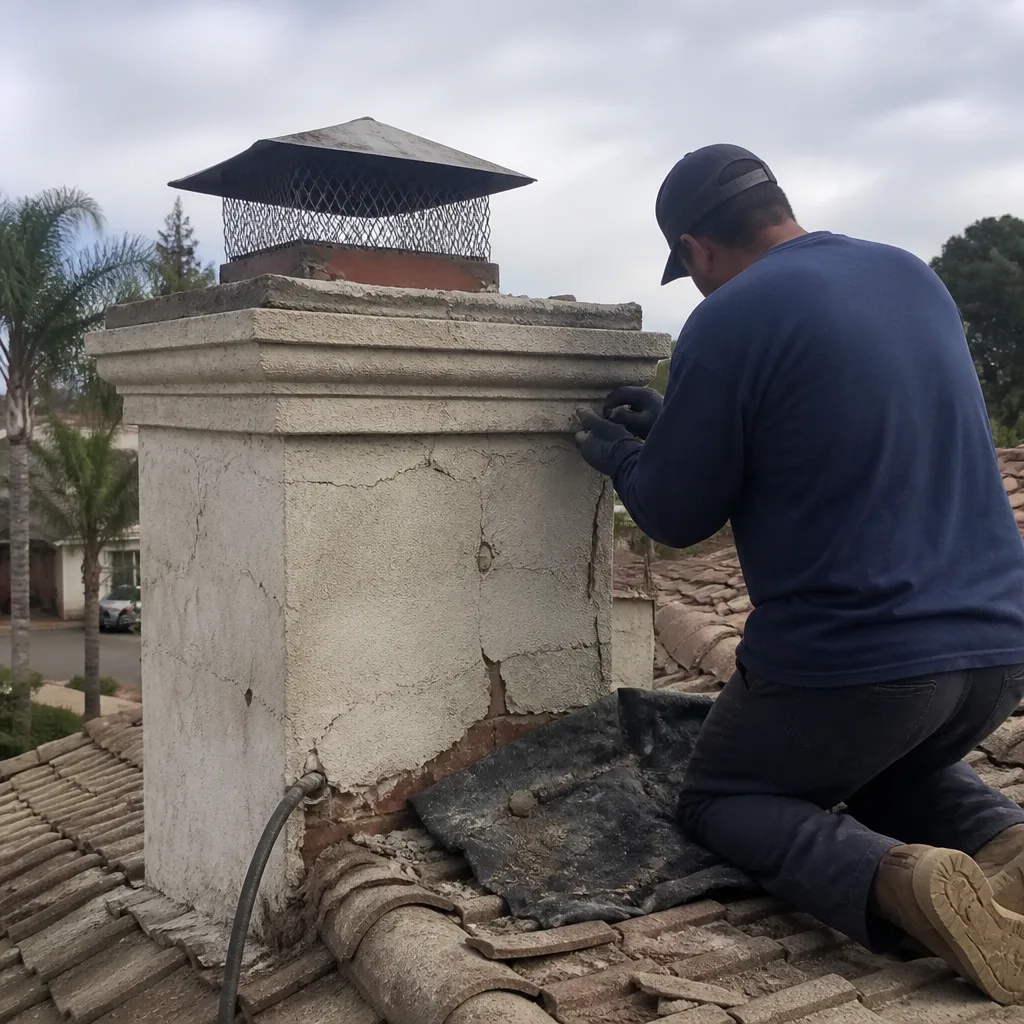 Before
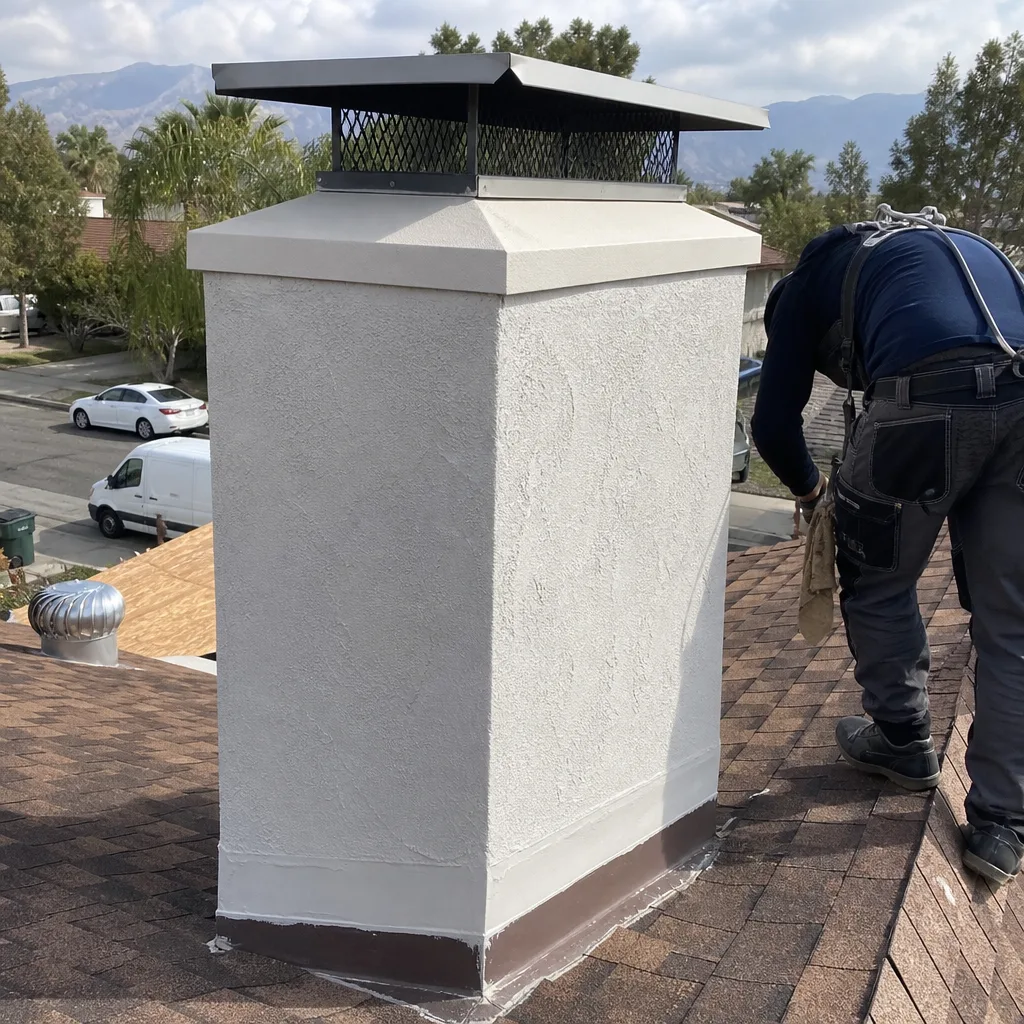 After
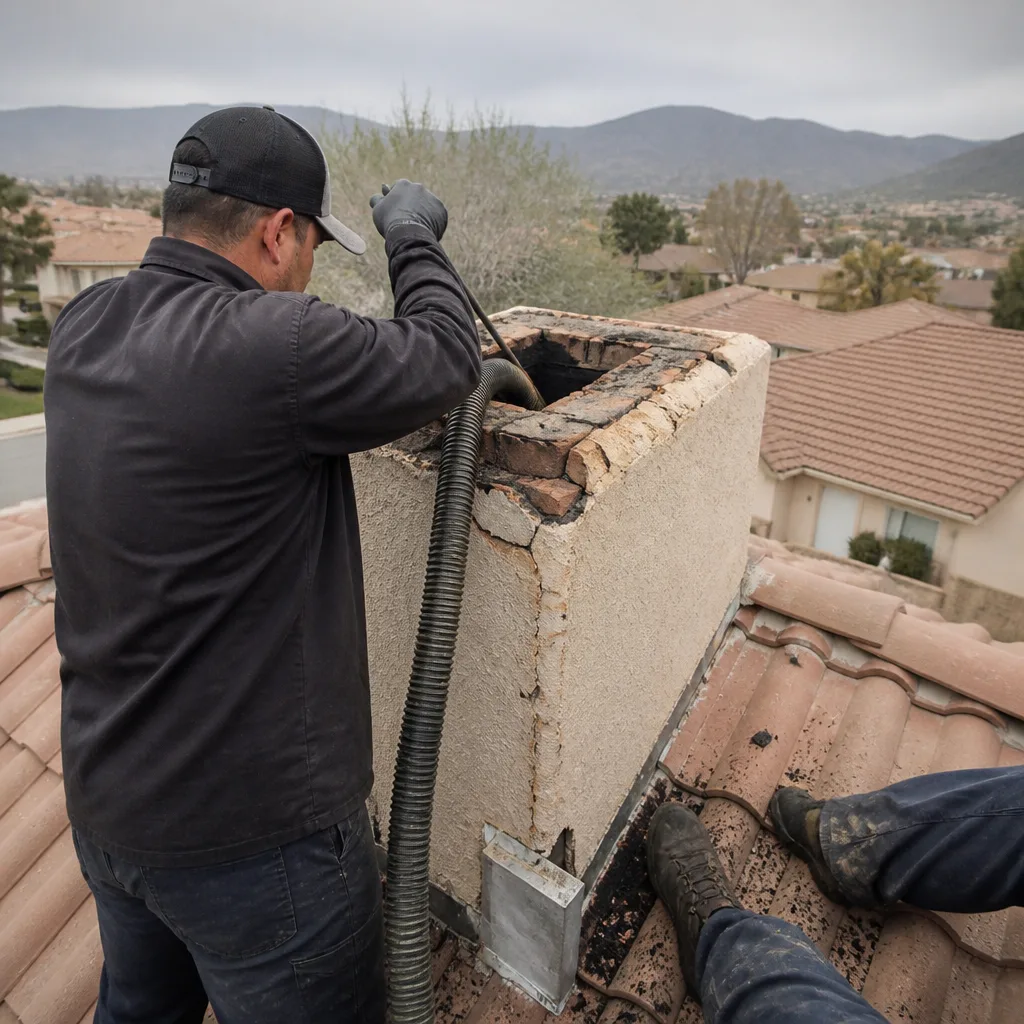 Before
 After
 Before
 After